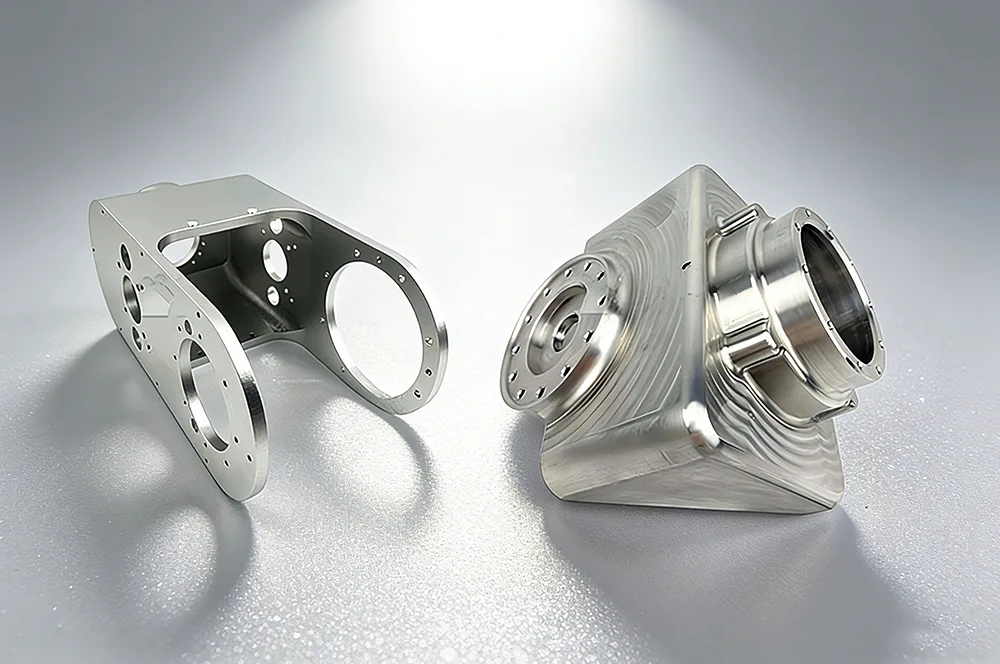
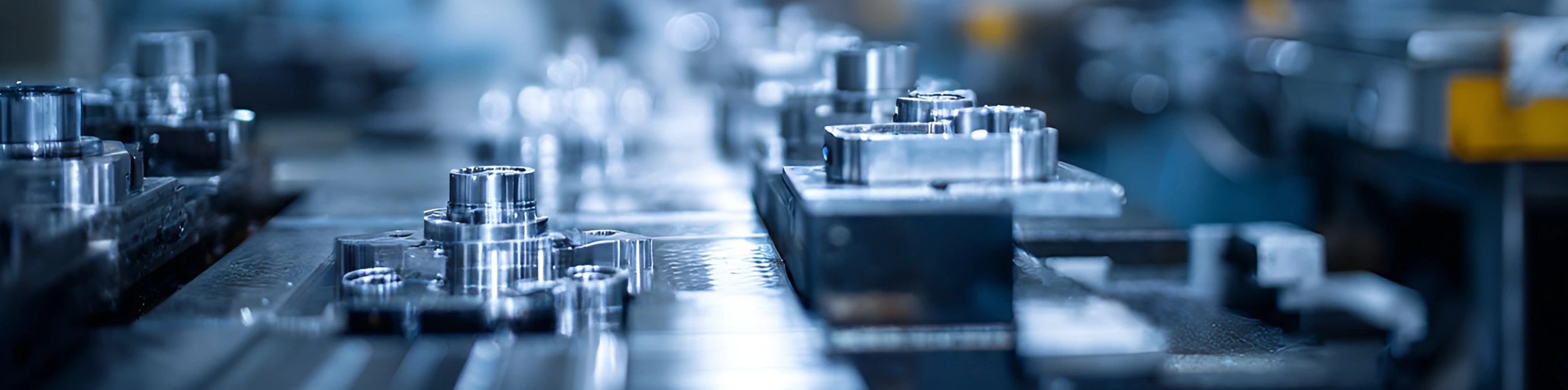
China High-Quality Medical Device Components Supplier
Essential Medical Device Components for Modern Healthcare
In the intricate world of healthcare technology, the reliability and performance of a medical device are fundamentally dependent on the quality of its individual parts. Medical device components are the unsung heroes, the critical building blocks that ensure devices function safely, accurately, and consistently to deliver patient care, aid in diagnosis, and support life-saving procedures. From a simple surgical instrument to a complex imaging system, every piece must meet the highest standards of precision, biocompatibility, and durability. At Deaote, we specialize in engineering and supplying these vital components, partnering with OEMs to bring innovative and dependable medical solutions to the global market.
Frequently Asked Questions (FAQ) on Medical Device Components
Q: What is the most critical factor when sourcing medical device components?
A: While all parameters are important, biocompatibility and regulatory compliance are non-negotiable. A component must have verifiable biocompatibility testing (like ISO 10993) for its intended bodily contact. Furthermore, the supplier must operate under a quality management system compliant with ISO 13485, which is the foundation for FDA and EU MDR requirements. Failure in these areas can jeopardize patient safety and lead to product recalls or failed regulatory submissions.
Q: How do I choose between metal and polymer for a component?
A: The choice depends on the device's mechanical, chemical, and sterilization needs. Metals (like 316L SS or Titanium) offer superior strength, rigidity, and can endure repeated autoclaving, making them ideal for surgical instruments and structural parts. Medical Polymers (like PEEK, PTFE, or Polycarbonate) provide advantages in weight, cost, radiolucency (for imaging), complex moldability, and resistance to certain chemicals. A detailed Design Failure Mode and Effects Analysis (DFMEA) with your engineering team is crucial for this decision.
Q: Can Deaote provide custom-designed components, or only standard catalog parts?
A: Deaote excels in custom component design and manufacturing. While we offer a range of standard parts, our core service is co-engineering bespoke solutions. Our process involves collaborative design for manufacturability (DFM) reviews, rapid prototyping (via 3D printing or soft-tooling), and full-scale production with stringent process validation. We support you from initial concept through to volume production and supply chain management.
Q: What documentation should I expect from a qualified component supplier?
A: A professional supplier like Deaote provides a comprehensive Device Master Record (DMR) package for components. This includes: Material Certificates of Analysis (CoA), Certificates of Conformity (CoC), detailed drawings with tolerances, full biocompatibility test reports, sterilization validation data (if applicable), and a certificate of ISO 13485 registration. This documentation is essential for your own Device History Record (DHR) and regulatory audits.
Q: How does sterilization method impact component design and material selection?
A: Profoundly. The sterilization process must be defined early in the design phase. Autoclaving (steam) requires materials that withstand high heat and moisture without warping (e.g., certain steels, PEEK). Ethylene Oxide (EtO) requires materials that off-gas residuals safely and allow gas penetration. Gamma Radiation can degrade some polymers, causing embrittlement. At Deaote, we select and test materials specifically for your chosen sterilization protocol to ensure long-term performance and safety.
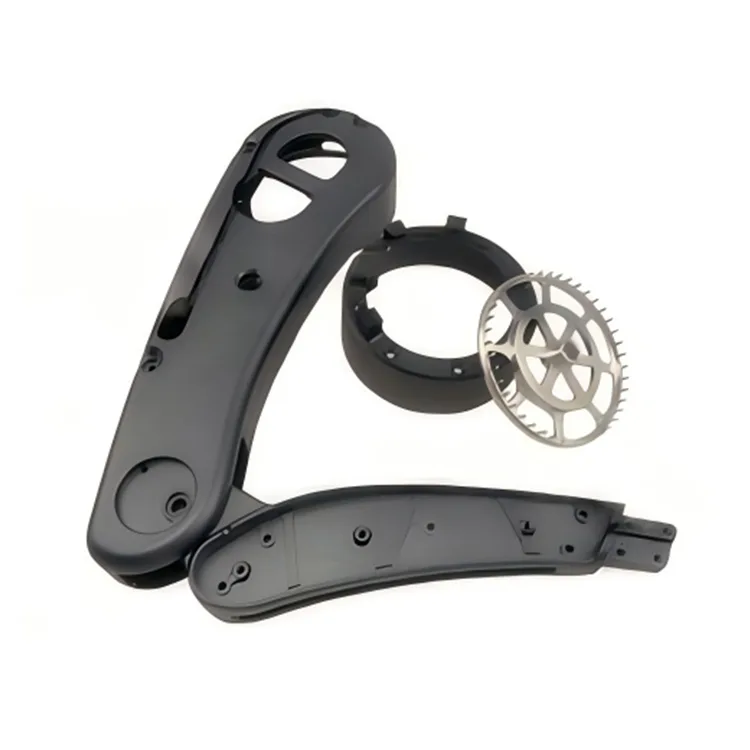
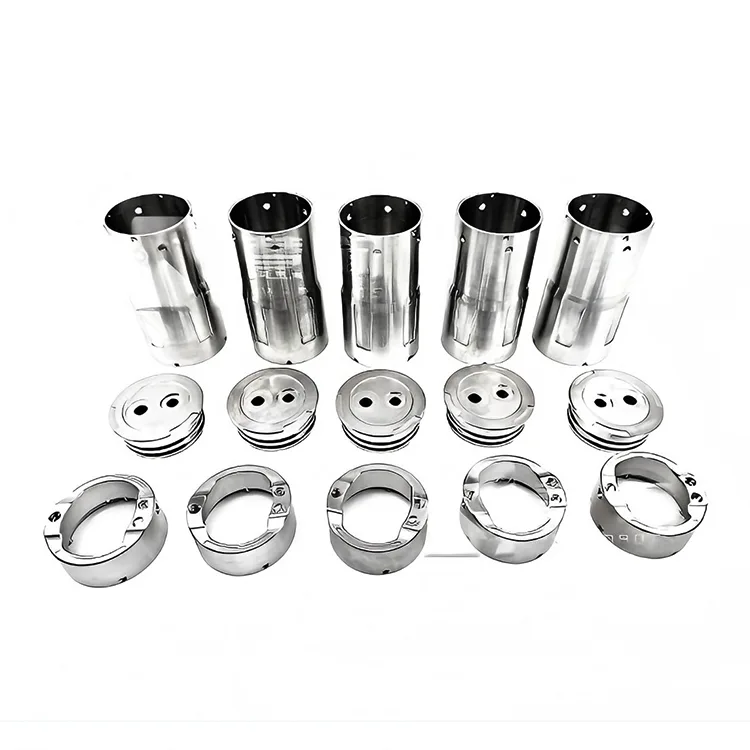
- View as
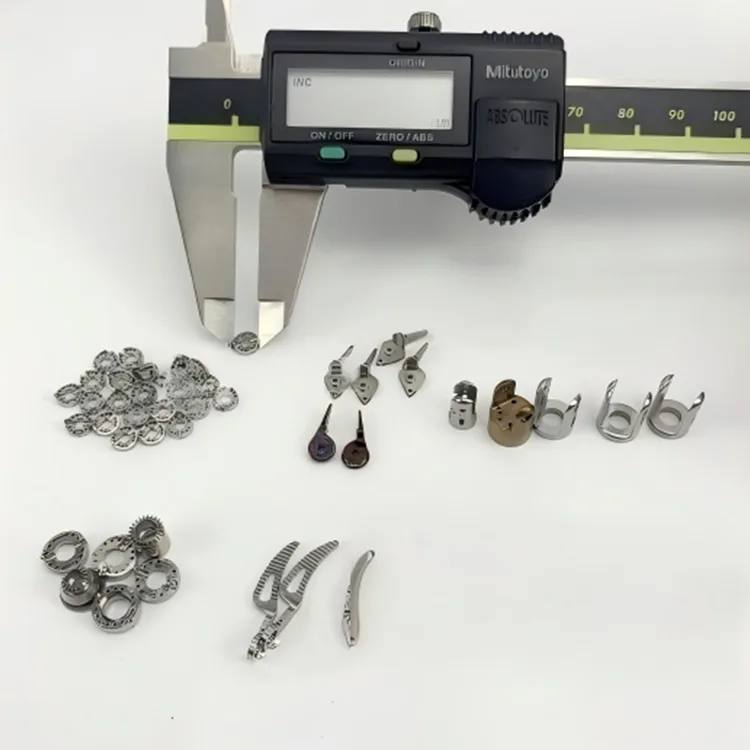
Medical Equipment Casing Parts
As a trusted China manufacturer and supplier, Suzhou Deaote Precision Mould Co., Ltd., professionally produces high-quality Medical equipment casing parts for global markets. Our factory operates under strict quality standards and provides complete documentation, testing reports, and export support to ensure smooth international procurement.
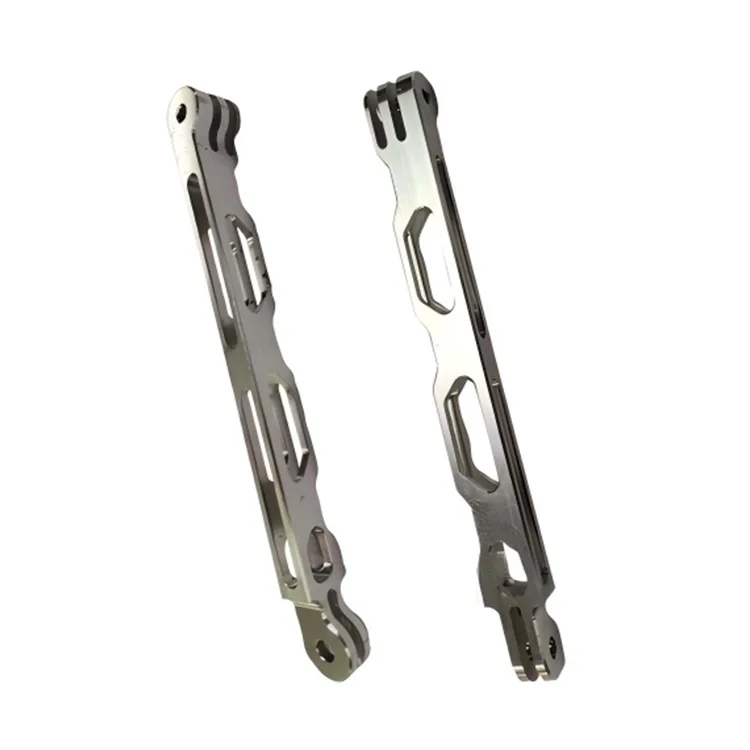
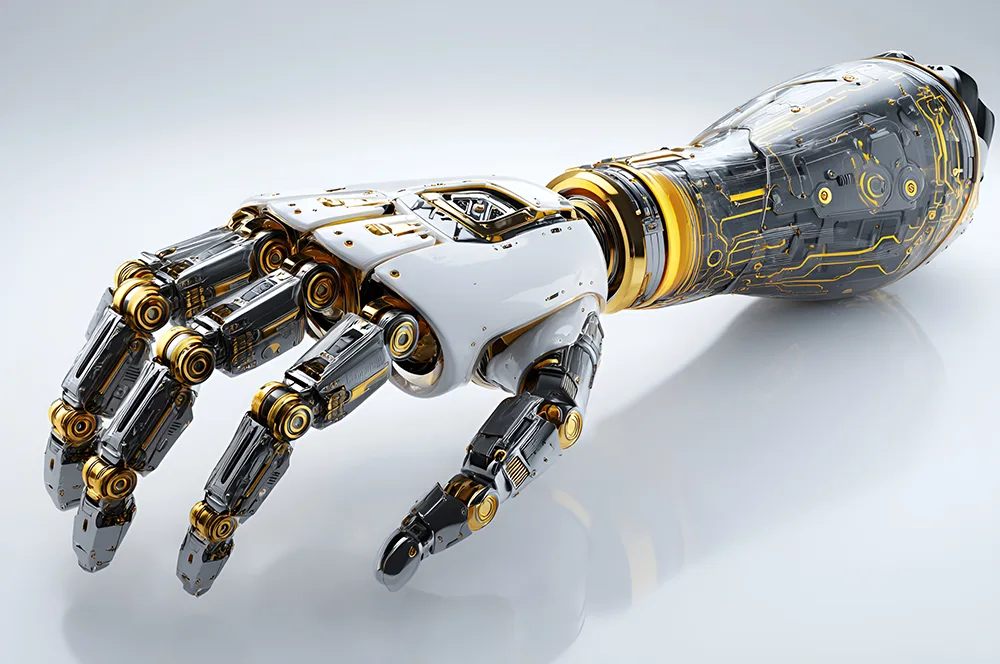
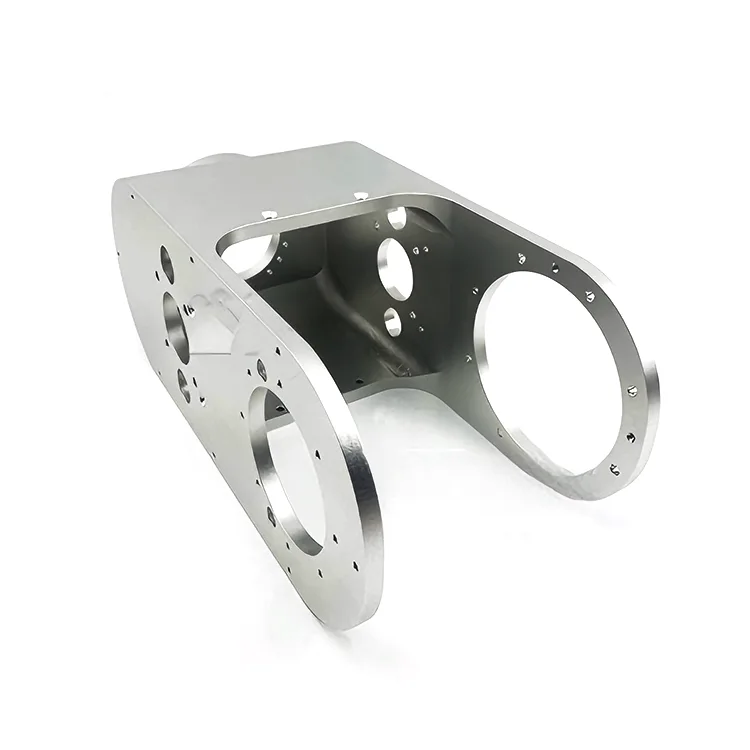
Medical Robot Machined Parts
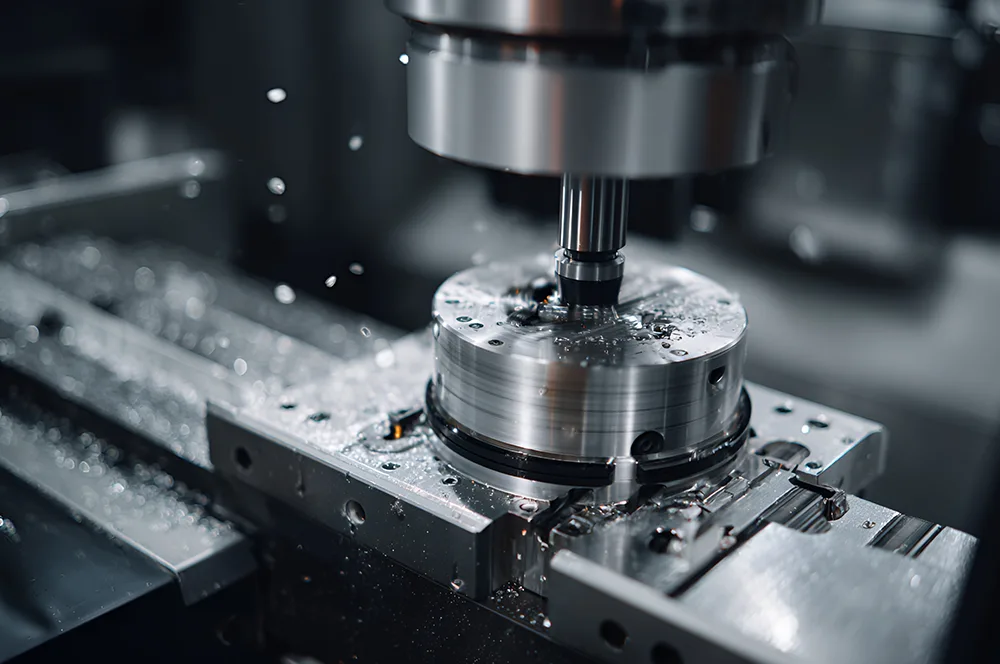
Suzhou Deaote Precision Mould Co., Ltd., located in Wuzhong District, Suzhou City, Jiangsu Province, China, is a leading manufacturer specializing in high-precision CNC machining of Medical Robot Machined Parts . We provide customized machining solutions for core parts of surgical robots, rehabilitation robots, diagnostic robots, and minimally invasive medical robotic systems.
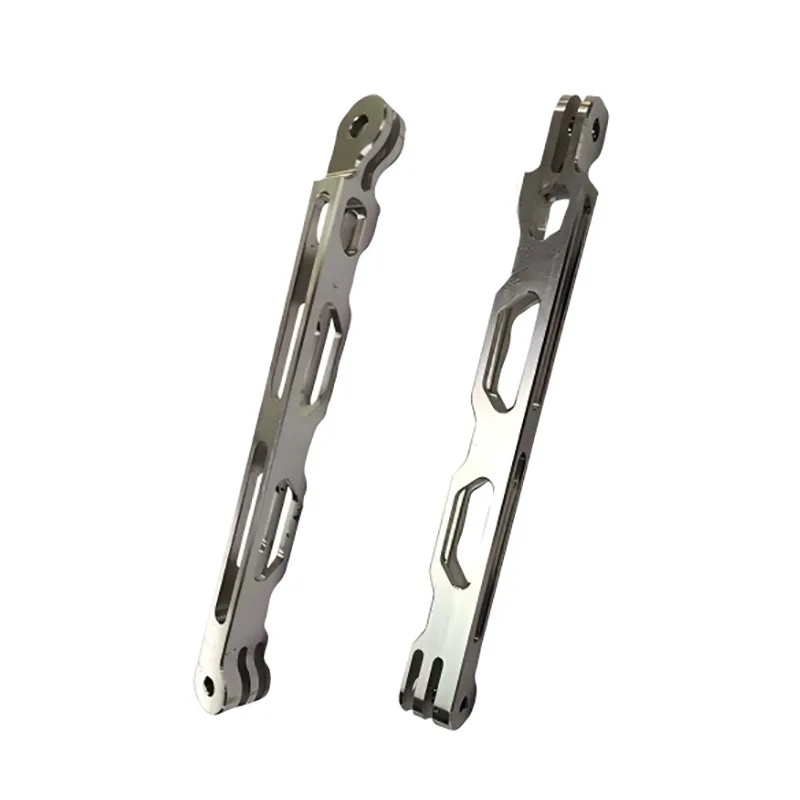
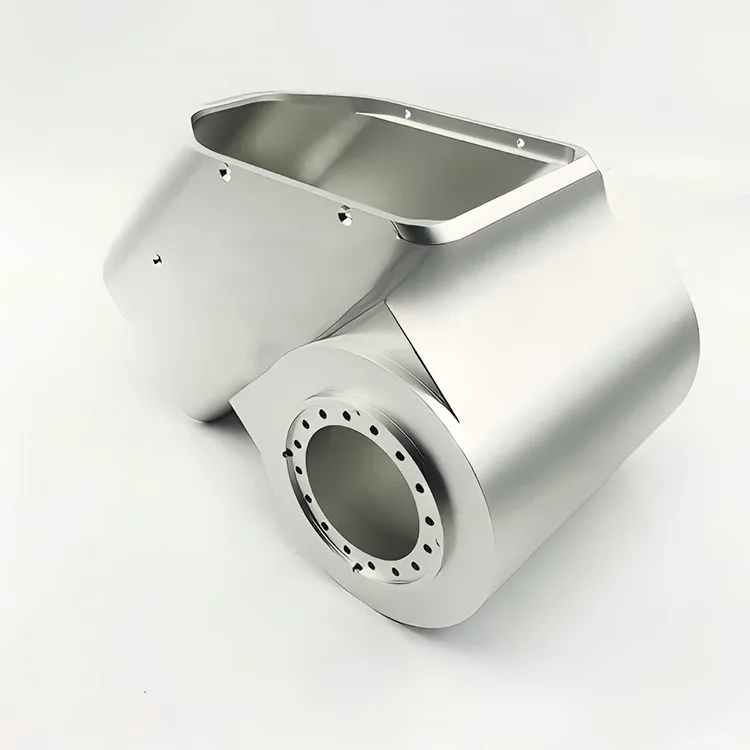
Precision Machinery Aluminum Alloy Parts
Suzhou Deaote Precision Mould Co., Ltd., located in Wuzhong District, Suzhou City, Jiangsu Province, China, is a leading manufacturer specializing in high-precision Precision machinery aluminum alloy parts for medical and industrial precision instruments. We specialize in custom machining of lightweight, high-strength aluminum alloy parts for medical robots, diagnostic equipment, surgical instruments, and precision measurement devices.
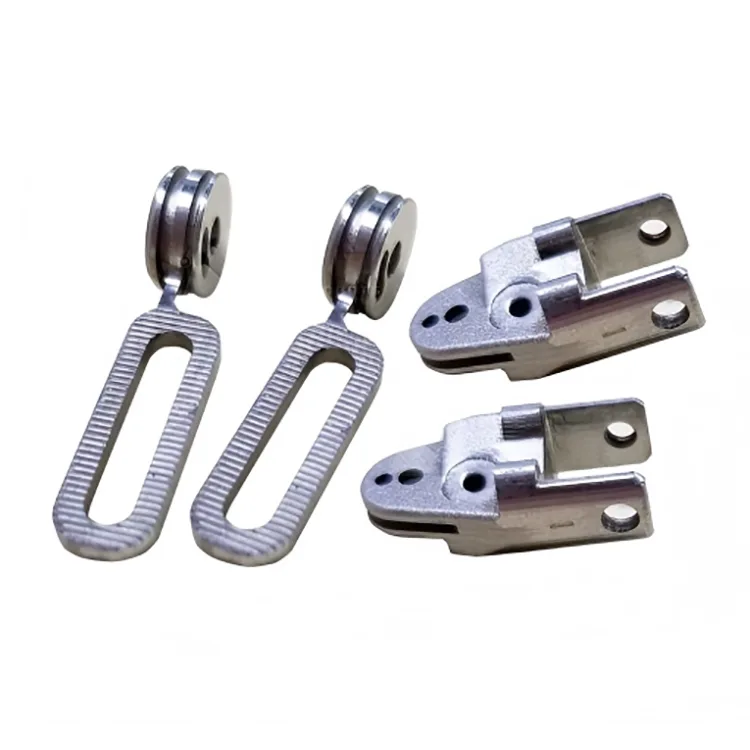
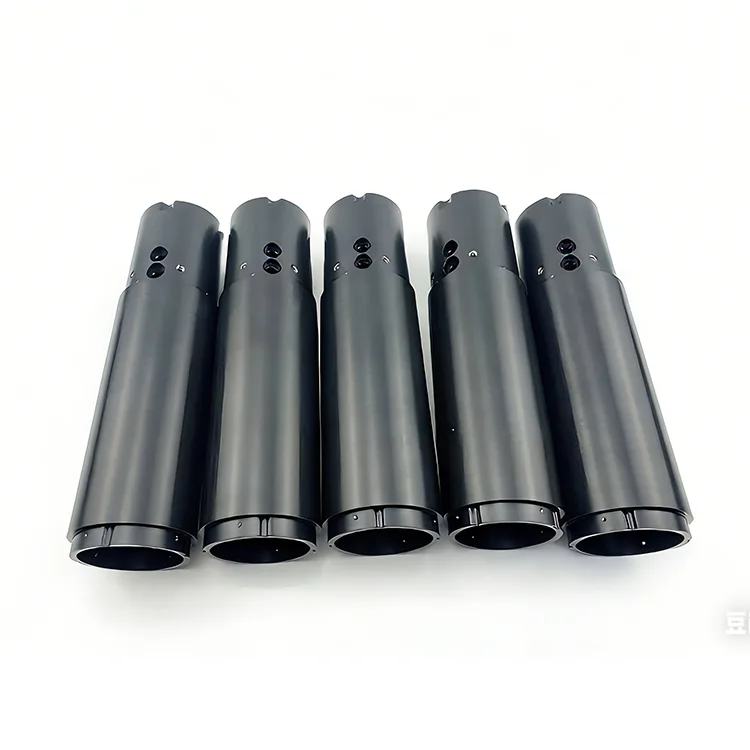
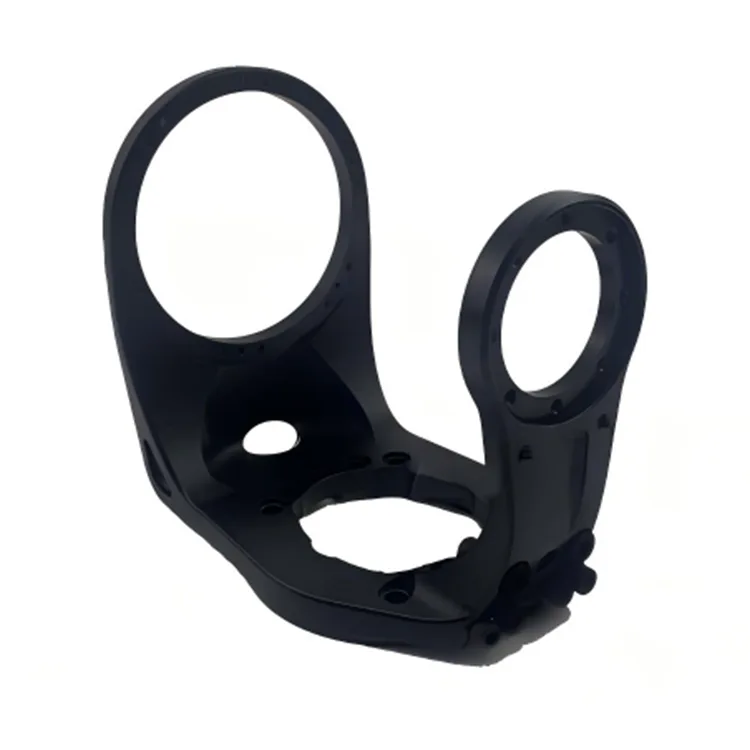
Medical Robot End Components
Suzhou Deaote Precision Mould Co., Ltd., is a direct China factory and manufacturer specializing in Medical robot end components, supplying reliable products at competitive factory prices. By working directly with our manufacturing team, buyers benefit from faster communication, flexible customization, and strict quality control. We also provide free samples and professional technical support. Contact us now to get factory pricing.
Discover the latest selling Medical Device Components from Deaote. Our new design focuses on high efficiency, energy saving, and long-lasting durability for modern automation systems.Request our factory online to purchase the best products now!