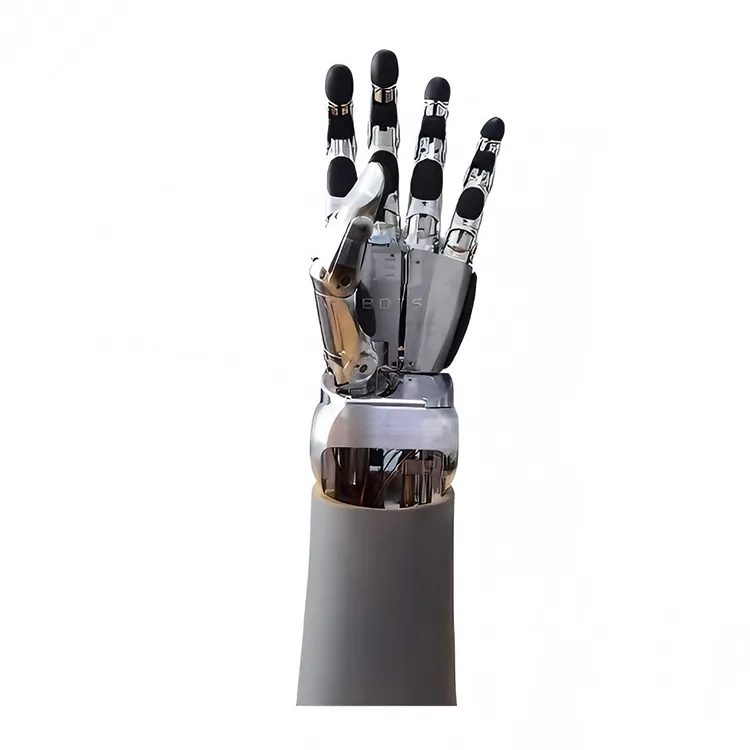
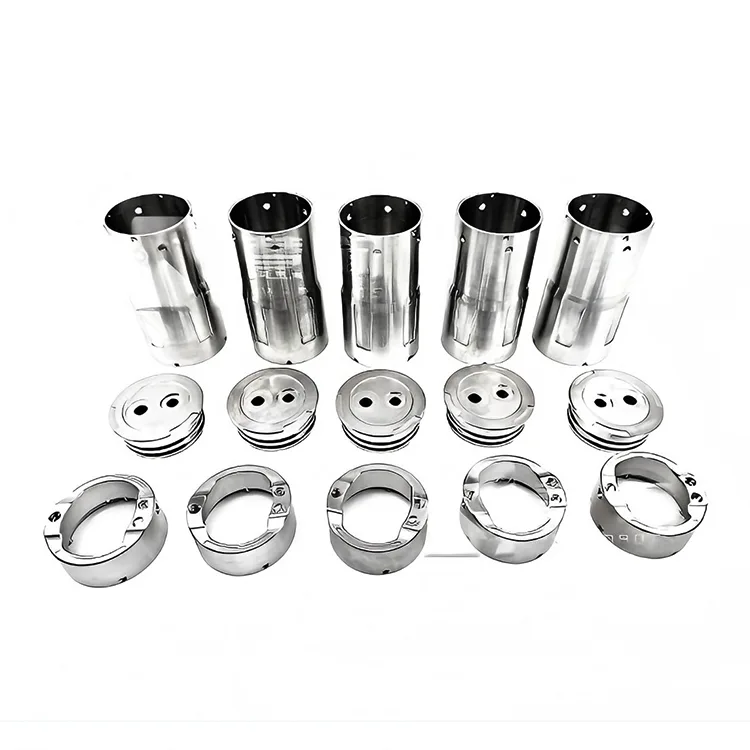
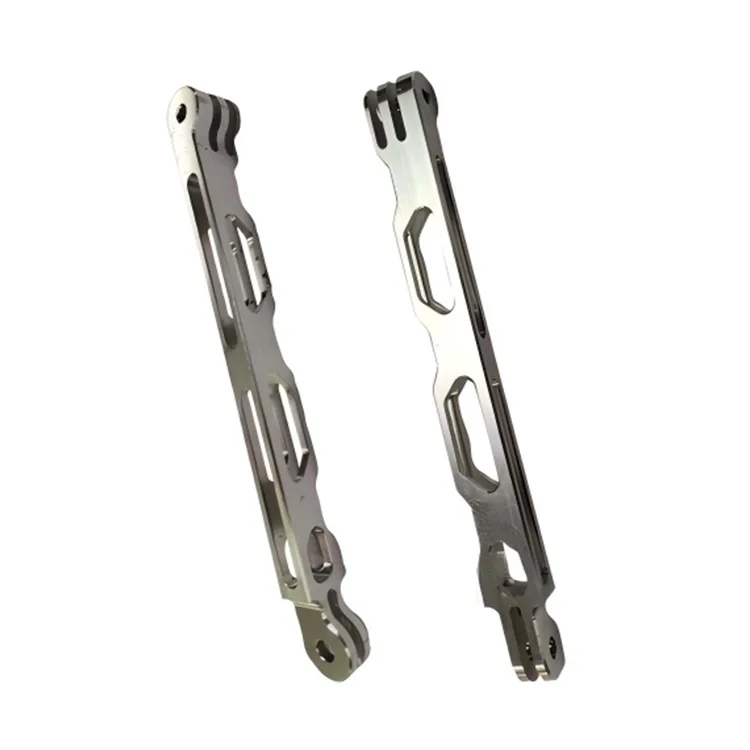
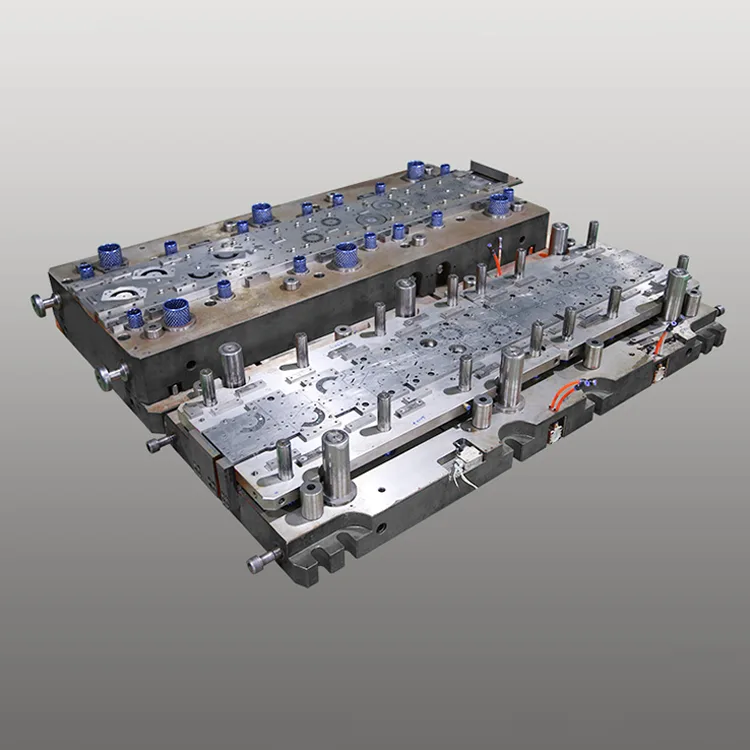
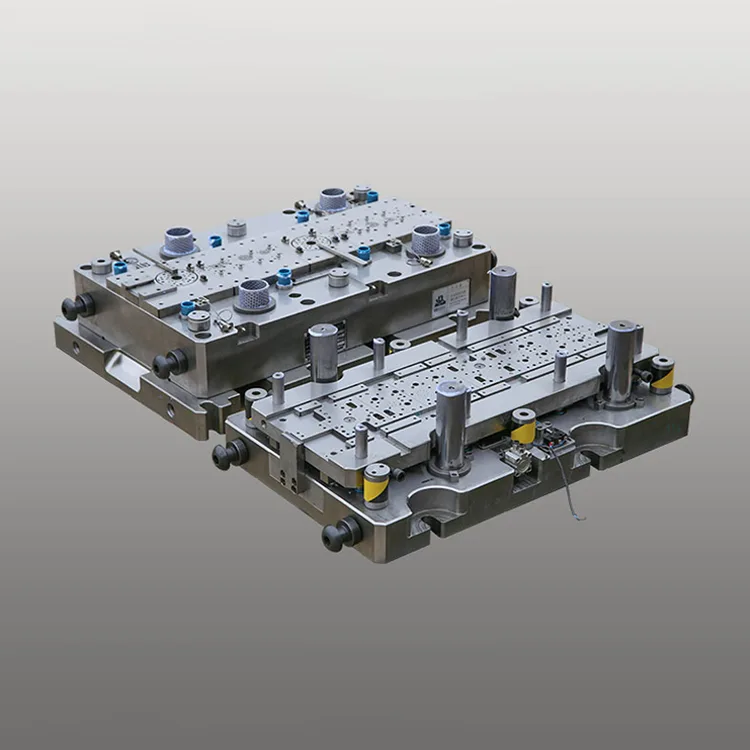
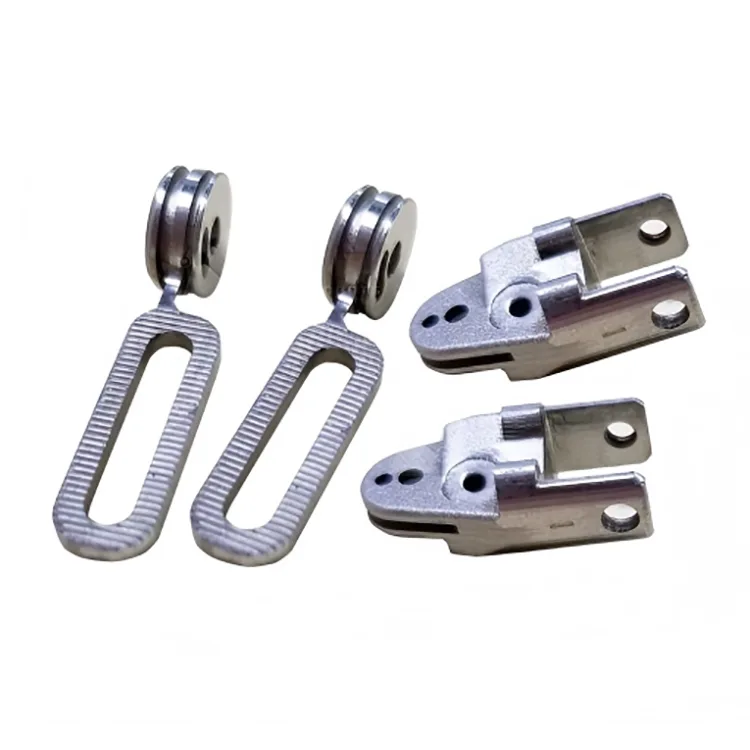
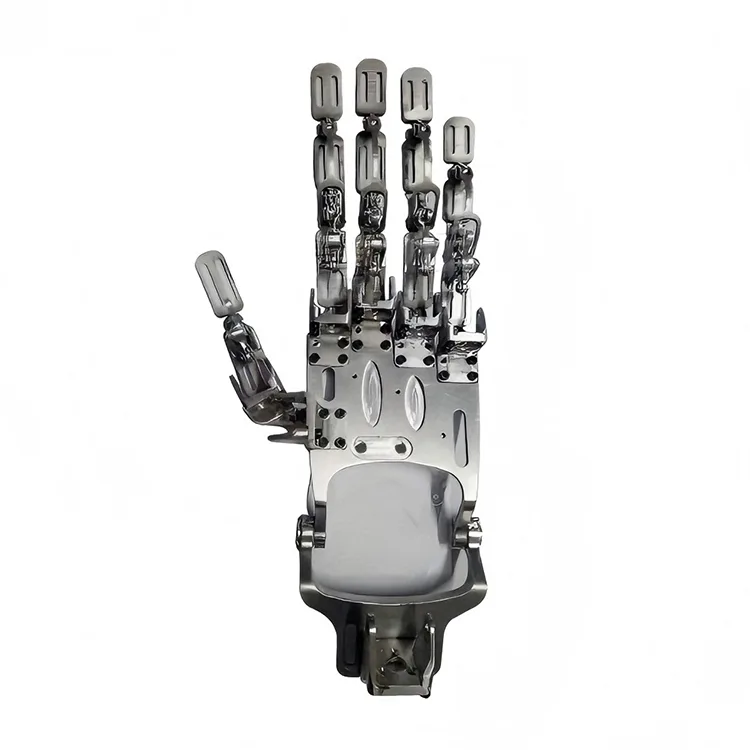
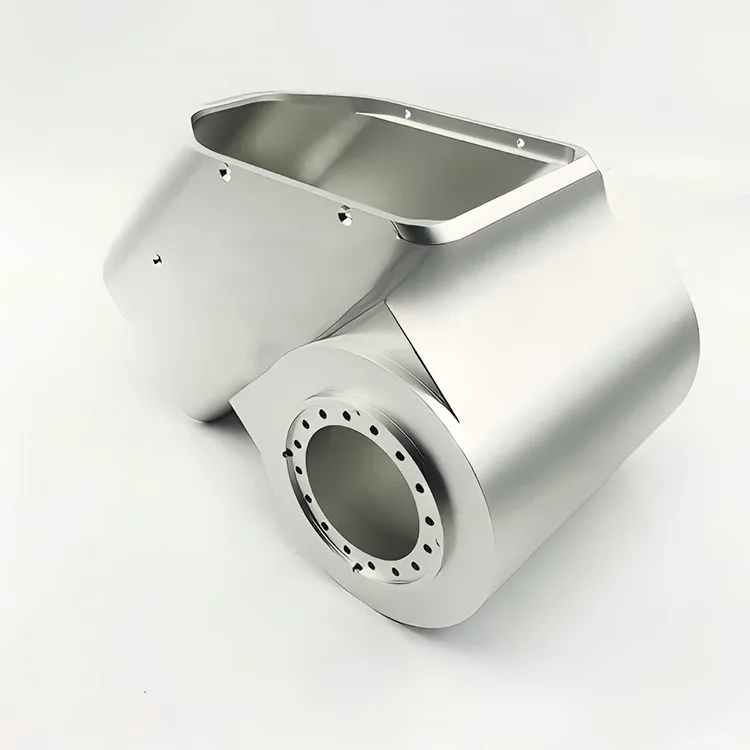
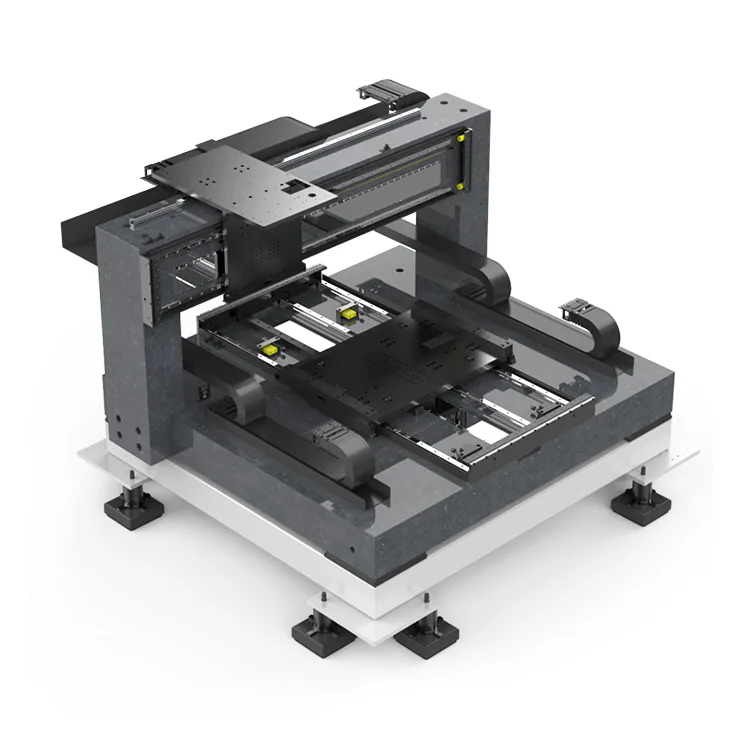
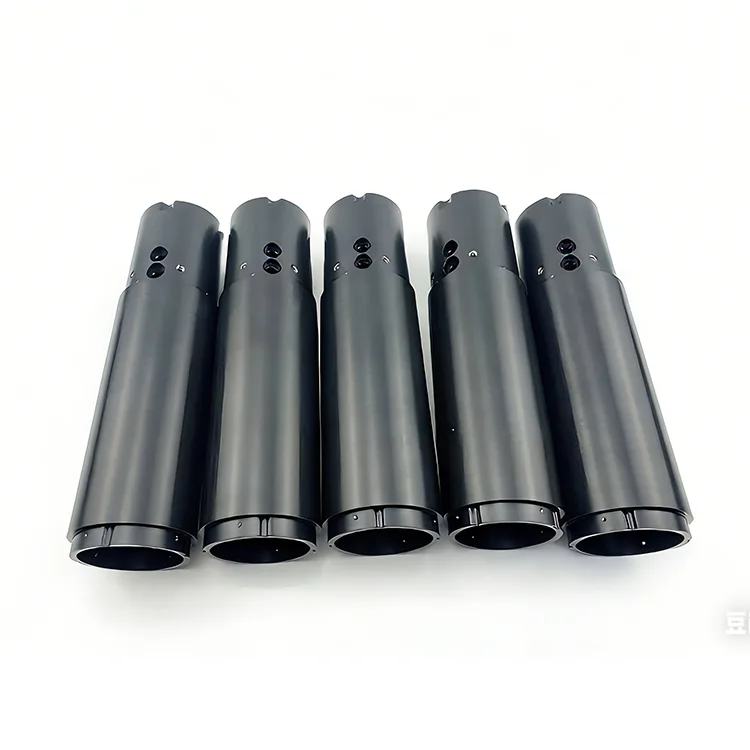
With the deep penetration of robot technology in fields such as industrial manufacturing, medical services, and intelligent inspection, the performance of robots increasingly relies on the accuracy and reliability of core components. The core requirement for robot component processing is high precision and high stability. The iterative upgrading of precision processing technology not only promotes the development of the precision component processing industry but also enables robots to be efficiently adapted in multiple scenarios, becoming the core support for the high-quality development of the robot industry. From the core joints of industrial robots to the precise structures of household robots, precision processing runs through the entire process of robot component production, unlocking the potential applications in multiple fields.
Industrial manufacturing sector
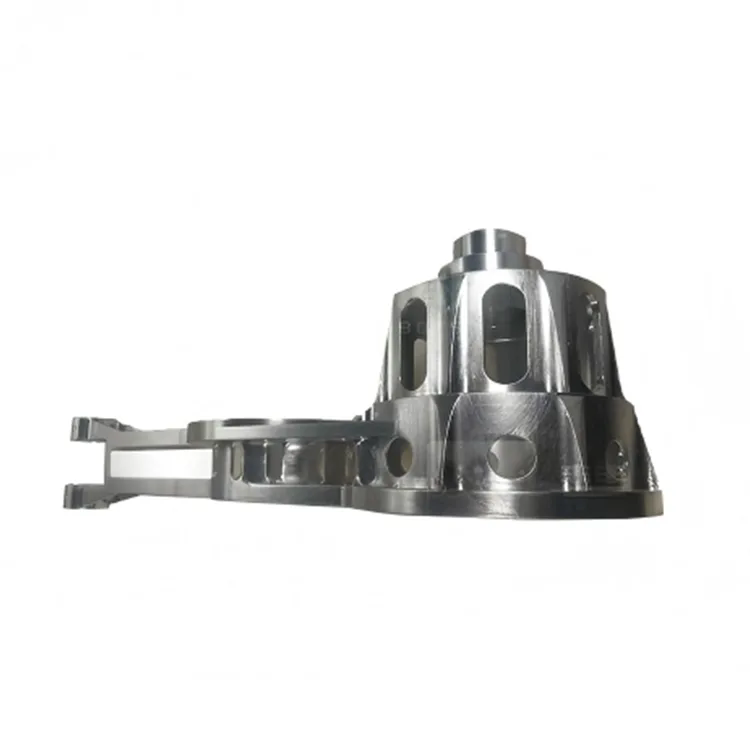
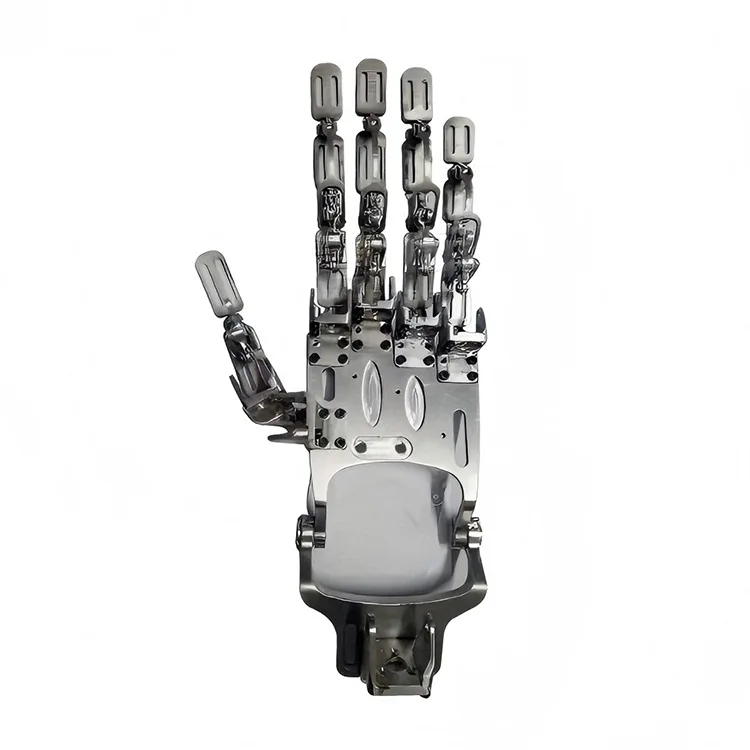
The application of precise processing for robot components is the most widespread and mature scenario, and it is also the core driving force for the iterative development of precision component processing technology. Industrial robots, as the core equipment of intelligent manufacturing, require extremely high standards for key components such as joints, reducers, and servo motors in terms of size accuracy, surface roughness, and structural strength. Precise processing is the key to meeting these requirements. In automotive manufacturing workshops, robots need to complete precise welding, component assembly, and other processes. The processing accuracy of joint components directly determines the flatness of the welding and the fit of the assembly. Through precise processing technology, the size error of components can be controlled at the micrometer level, ensuring the precise and controllable movement of the robots.
In the field of high-end equipment manufacturing
The technical advantages of precision component processing have been further highlighted. Robots used in fields such as aerospace and rail transportation need to operate stably and continuously in extreme environments, and have even stricter requirements for the wear resistance, corrosion resistance, and precision stability of components. For example, the mechanical arm components of aerospace robots need to withstand complex conditions such as high-altitude low temperatures, strong radiation, etc. Through precise processing techniques, special materials such as titanium alloys and aluminum alloys can be processed to achieve both high strength and high precision of the components, which not only ensures the reliability of the robots during space operations but also provides a guarantee for the intelligent upgrade of high-end equipment manufacturing, promoting the processing of robot components to higher precision and better performance.
Medical and Health Field
The application of precise processing of robot components has broken the limitations of traditional medicine and provided new possibilities for precision medicine. The core components of medical robots (such as surgical robots, rehabilitation robots) such as surgical instrument interfaces, rehabilitation joints, and precise positioning components need to meet the requirements of sterility, high precision, and miniaturization. This cannot be achieved without the support of precision processing technology. The mechanical arms of surgical robots need to achieve precise movements at the millimeter level to avoid minor deviations during the surgical process. Through precise component processing, the components can be manufactured with high precision, ensuring the stability and safety of surgical robots.
The field of household and service robots
Precision processing makes robots more in line with daily needs, achieving an improvement in intelligence and convenience. For products such as household vacuum cleaners and companion robots, the internal components like gears, sensor brackets, and drive components, although small in size, have no lower precision requirements. Through precision processing technology, it is possible to achieve the miniaturization and lightweight manufacturing of components, while ensuring the stability and low noise of their operation, allowing household robots to perform flexible work in confined spaces; the interactive joints and precise grasping components of service robots also rely on precise component processing to achieve smooth movements.
Furthermore, in special operation scenarios such as deep-sea exploration and fire rescue, the precise processing of robot components also plays a crucial role. The sealing components of deep-sea exploration robots and the high-temperature-resistant components of fire-fighting robots all require precise processing to achieve specific functions, ensuring that the robots can operate normally in harsh environments.
We use cookies to offer you a better browsing experience, analyze site traffic and personalize content. By using this site, you agree to our use of cookies. Privacy Policy