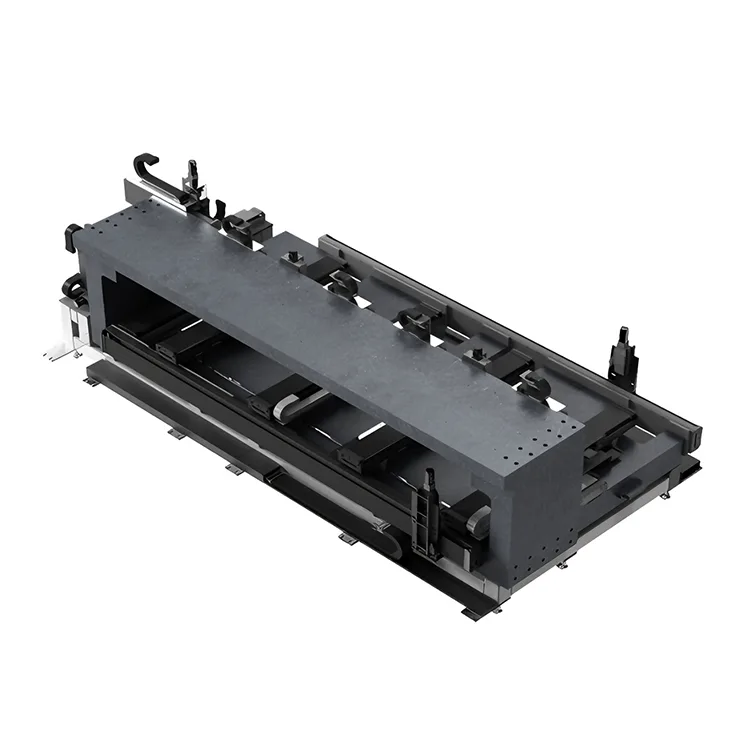
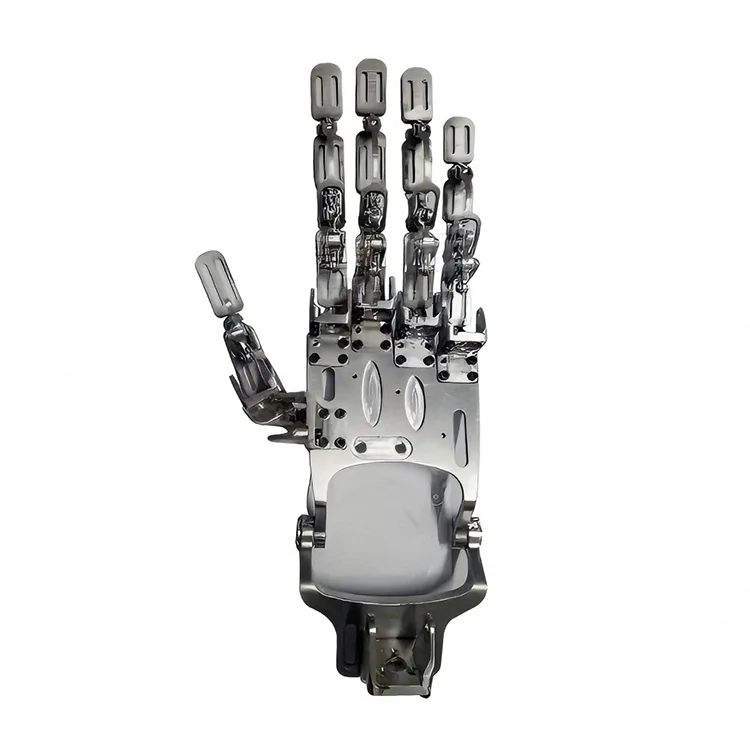
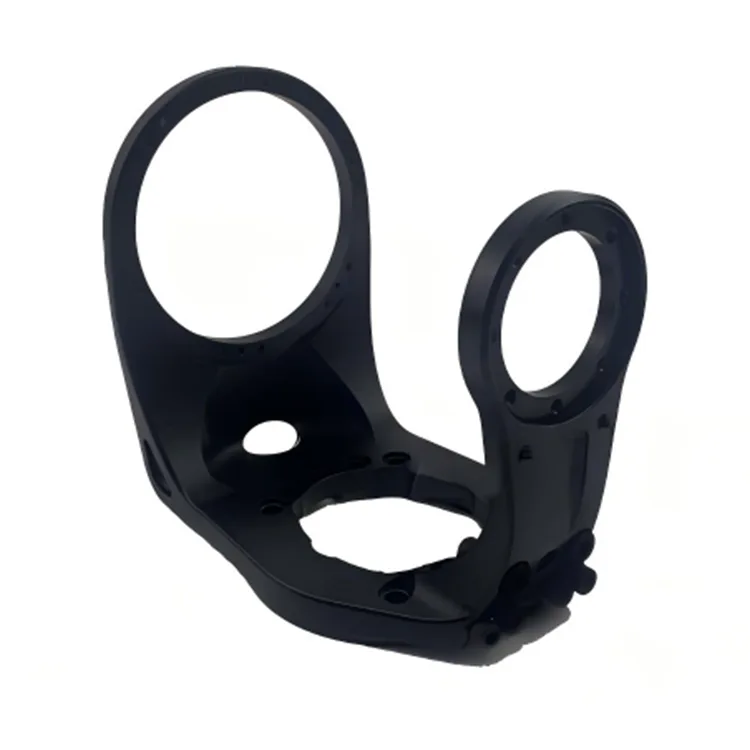
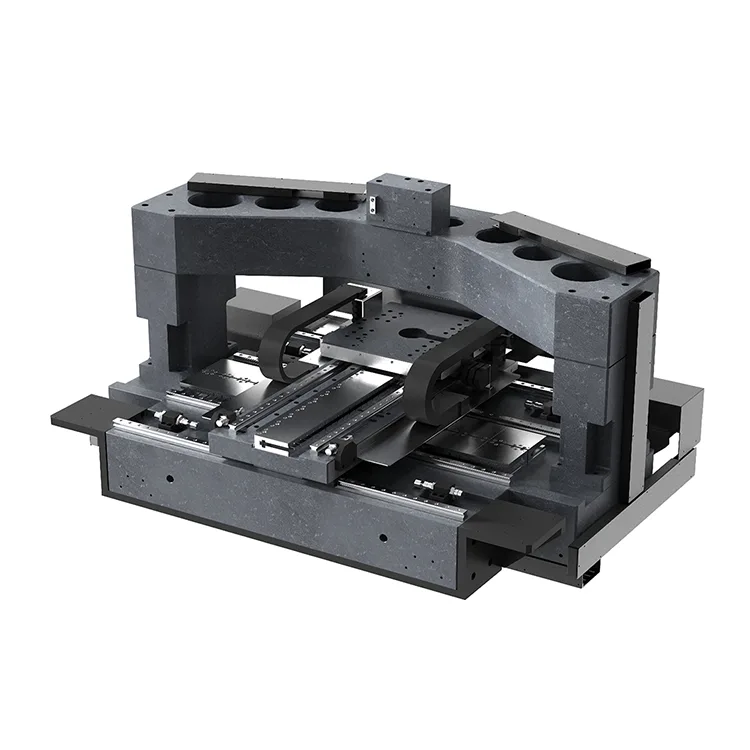
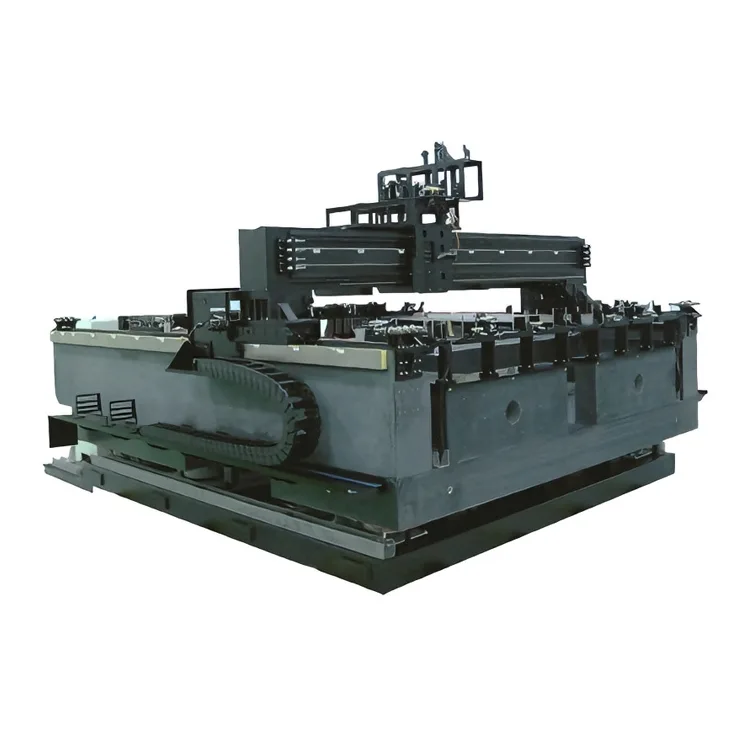
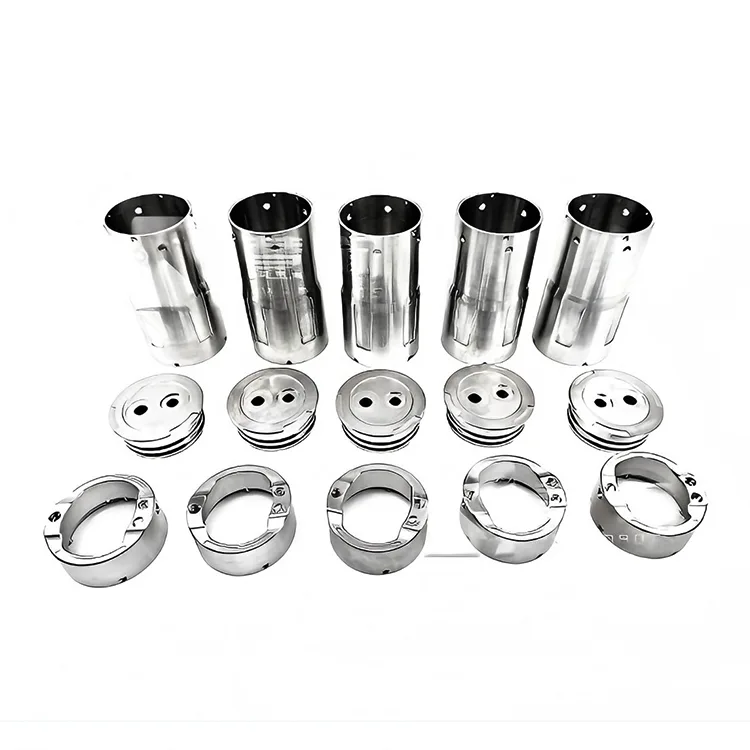
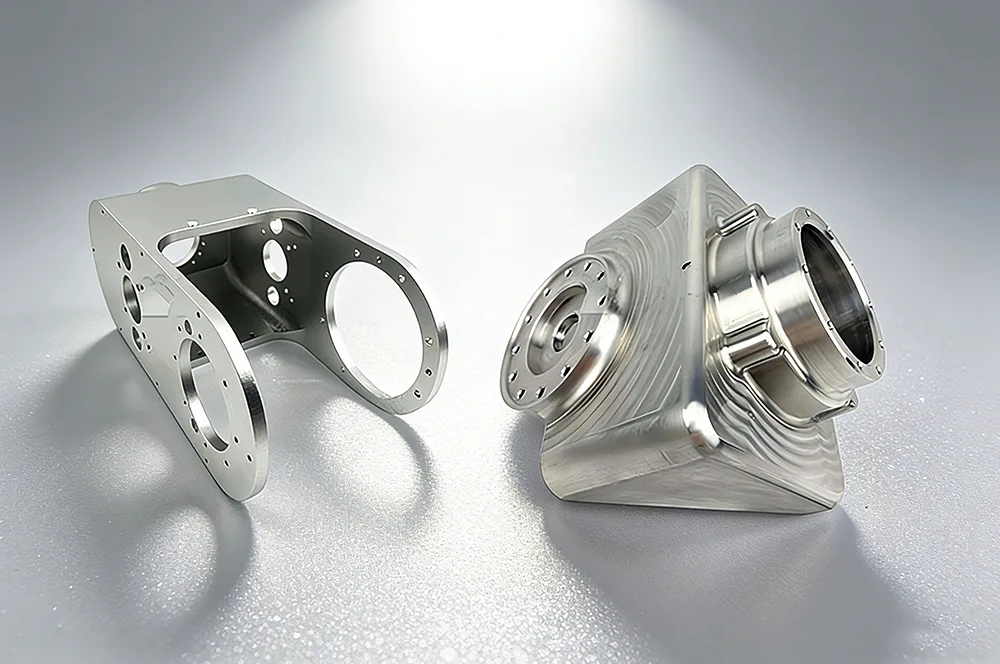
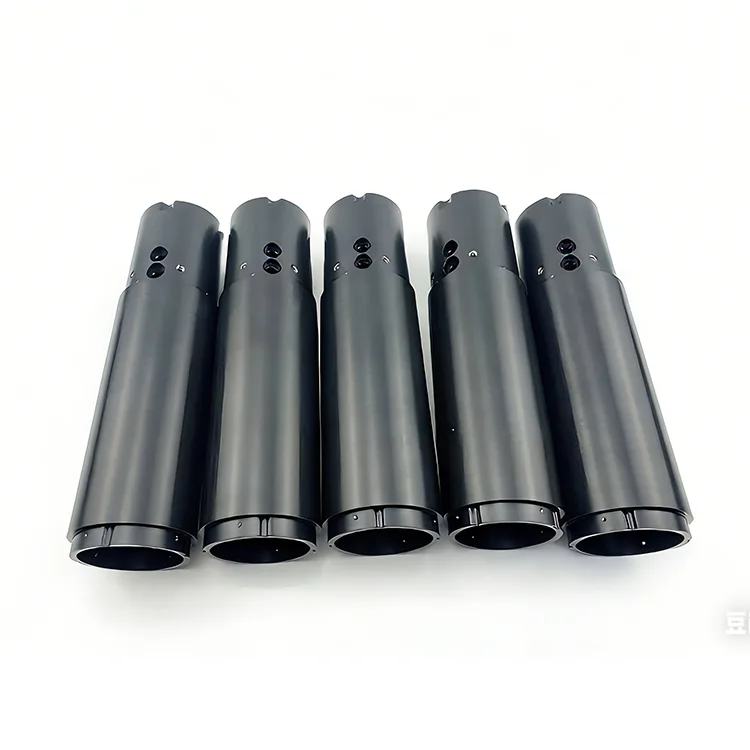
Lightweighting of robots is the core trend in the current industry development, directly determining the flexibility, load capacity and energy consumption level of robots. One of the core requirements for robot part processing is to balance lightweighting and structural stability. Aluminum alloy, with its unique advantages of light weight, moderate strength, easy processing and corrosion resistance, has become the preferred material for lightweight robot parts. Aluminum alloy CNC processing is the core process for achieving precise part formation and meeting the high standards of robot part processing.
1. Core adaptation logic
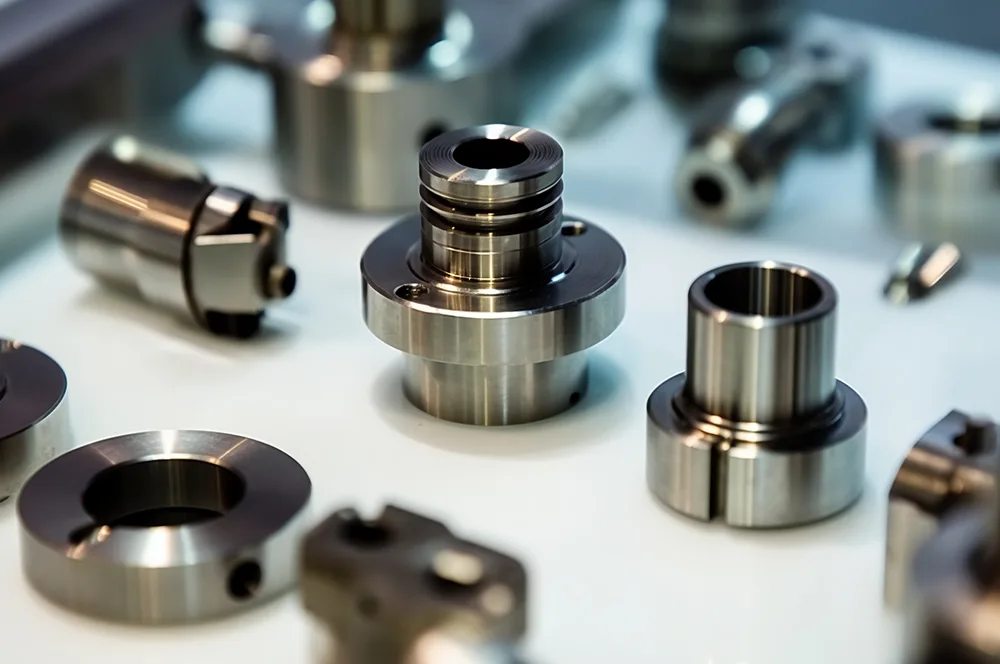
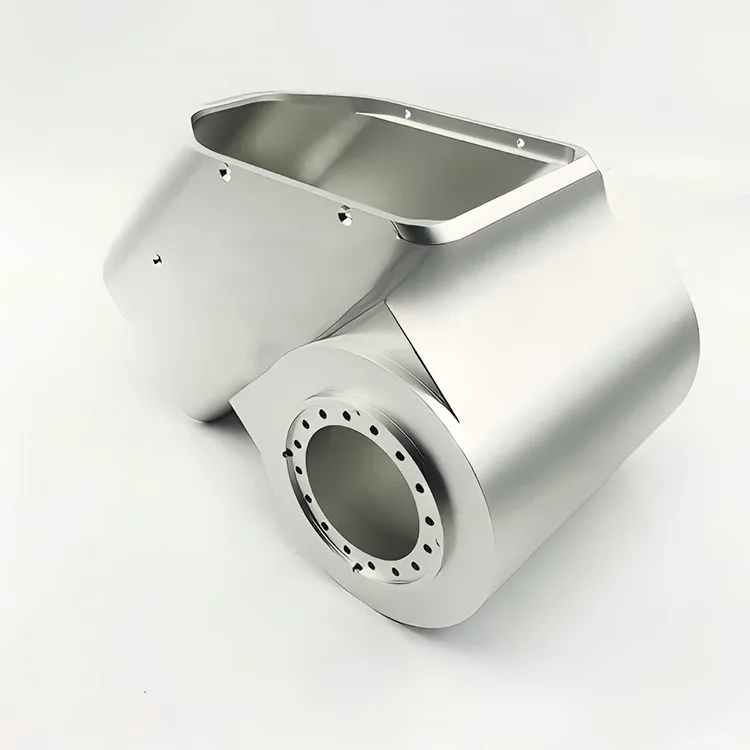
The core requirements for lightweight robot parts are "low weight, high precision, and high rigidity", and they are mainly used in key parts such as joints, arms, and connecting components. Their processing standards are much higher than those of ordinary parts. Commonly used aluminum alloys like 6061 and 7075 have a density of only one-third that of steel. After precise CNC machining of aluminum, the dimensional accuracy can be controlled within ±0.005mm, and the surface roughness reaches Ra0.8 or below. This not only significantly reduces the weight of the parts but also meets the force requirements of the robot's high-frequency operation. Their material properties and CNC processing technology perfectly align with the core demands of lightweight robot parts, making them the preferred solution for robot part processing.
2. Core Processing Principle
The essence of aluminum alloy CNC processing is precise cutting and shaping under computer numerical control. As a key process for robot parts manufacturing, it focuses on four main dimensions to ensure both precision and anti-deformation, thereby guaranteeing the quality of the processing.
First, program compilation adaptation: using CAD/CAM software to analyze the part drawings, planning a scientific processing path, adopting the "symmetrical processing, step-by-step cutting" mode, optimizing the cutting tools and parameters, avoiding part deformation, achieving one-time formation of complex structures, and enhancing the efficiency of CNC processing.
Second, blank material clamping anti-deformation: using flexible fixtures or custom fixtures, precisely controlling the clamping force, pre-processing the blank material before clamping to eliminate internal stress, eliminating deformation and displacement during clamping, and ensuring the accuracy of aluminum alloy CNC processing.
Third, precise cutting adaptation: selecting carbide cutting tools, adopting the "high cutting speed, medium feed rate, small cutting depth" mode, combined with cutting fluid to reduce temperature, avoiding problems such as sticking to the tool and burrs, and meeting the high precision requirements of robot parts processing.
Fourth, full-process precision control: covering the inspection of blank materials before processing, real-time monitoring during processing, and precise detection after processing, ensuring that every part meets the assembly standards for robot parts processing.
3. Practical Application Scenarios
Aluminum alloy CNC machining, as the core process for robot part manufacturing, is widely applied to various lightweight parts of robots, meeting the processing requirements of different scenarios. Industrial robots use 7075 high-strength aluminum alloy and through CNC machining, they produce joint brackets and arm extension components, with a thickness controlled at 3-5mm, balancing load capacity and weight reduction needs; Collaborative robots use 6061 aluminum alloy and through aluminum alloy CNC machining, they produce lightweight arms and joint connecting parts, with a thickness of 2-4mm, ensuring the flexibility for collaborative operations with humans; Service robots use CNC machining to produce small body shells and joint components, balancing miniaturization and precision requirements, and are suitable for home and medical scenarios, fully demonstrating the multi-adaptability of aluminum alloy CNC machining in robot part manufacturing.
4. Application Advantages and Precautions
Aluminum alloy CNC processing is applied in the manufacturing of robot parts. Its core advantages include balancing lightweight with precision, high processing efficiency, strong adaptability and good economy. It is suitable for mass production and can effectively reduce the overall cost of robot part processing. Three key points need to be noted: First, select the appropriate aluminum alloy model based on the load requirements of the parts to ensure the performance of the processed parts; second, strictly control the deformation of thin-walled parts during processing to avoid errors in the CNC processing and ensure dimensional accuracy; third, conduct full-process precision detection to prevent unqualified parts from flowing into the assembly process and affecting the stability of the robot operation.
We use cookies to offer you a better browsing experience, analyze site traffic and personalize content. By using this site, you agree to our use of cookies.
Privacy Policy