
How Do Humanoid Robot Parts Work?
Abstract: Humanoid robots are becoming increasingly prevalent across industries and research fields. Understanding the critical parts that make up these robots is essential for engineers, designers, and robotics enthusiasts. This article provides a comprehensive overview of humanoid robot parts, their functions, and considerations for selecting high-quality components. We also highlight how Suzhou Deaote Precision Mould Co., Ltd., provides premium solutions for these needs.
Table of Contents
- Introduction to Humanoid Robot Parts
- Core Components of Humanoid Robots
- Guide to Choosing the Right Parts
- Integration and Assembly Tips
- FAQ
- Conclusion
Introduction to Humanoid Robot Parts
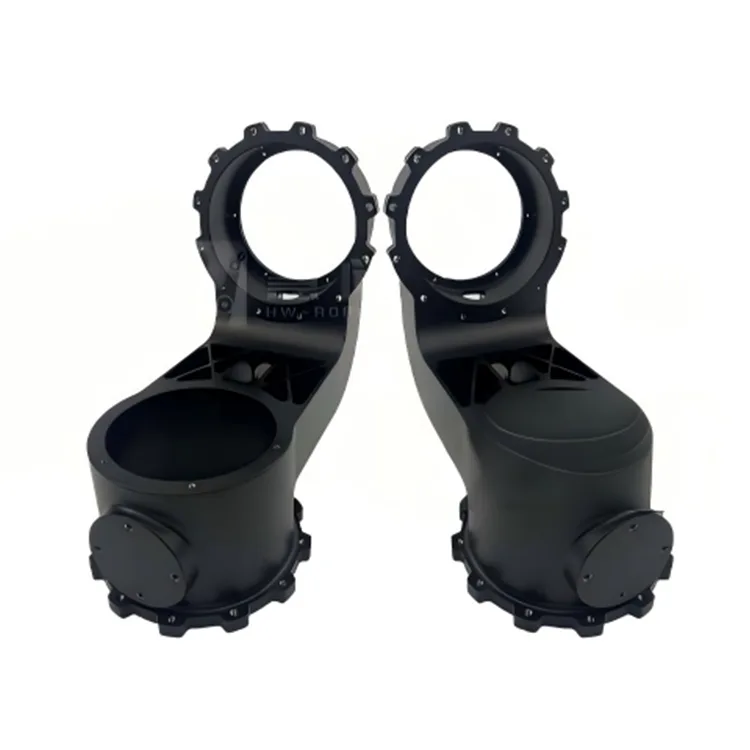
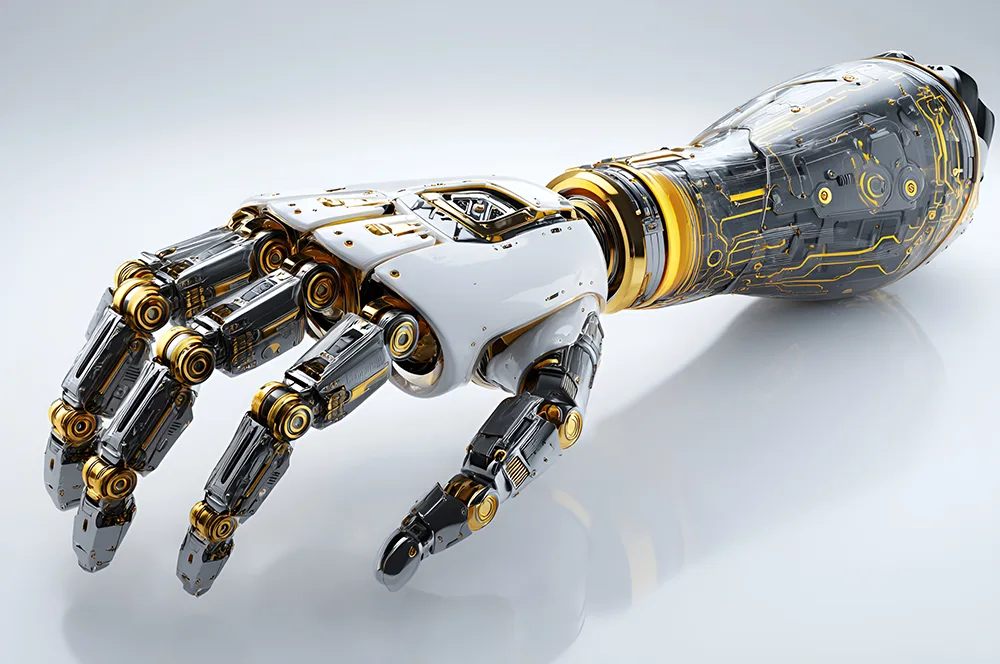
Humanoid robots are designed to resemble human anatomy and functionality. At the heart of these robots are precision-engineered parts that enable movement, sensory feedback, and interaction with their environment. Key categories of parts include actuators, sensors, structural frames, connectors, and control systems. High-quality components ensure stable performance, durability, and safety.
Core Components of Humanoid Robots
Actuators – The Muscles of Robots
Actuators are responsible for motion. They translate electrical signals into mechanical movement, mimicking human muscle activity.
- High-Torque Servo Motors: Ideal for wrist, finger, and neck joints; provide precise angular control.
- Linear Actuators: Used in knees, elbows, and torso adjustments for smooth linear motion.
- Geared Motor Units: Combine DC motors with planetary gearboxes for high torque in hip and shoulder joints.
| Model | Type | Rated Torque/Force | Operating Voltage | Primary Application |
|---|---|---|---|---|
| DT-SV45H | Digital Servo | 45 kg-cm | 6.0V - 8.4V | Wrist, Ankle |
| DT-LA210 | Linear Actuator | 210 N | 12V DC | Knee, Elbow |
| DT-GM78P | Geared Motor Unit | 15 Nm | 24V DC | Hip, Shoulder |
Structural Components – The Skeleton
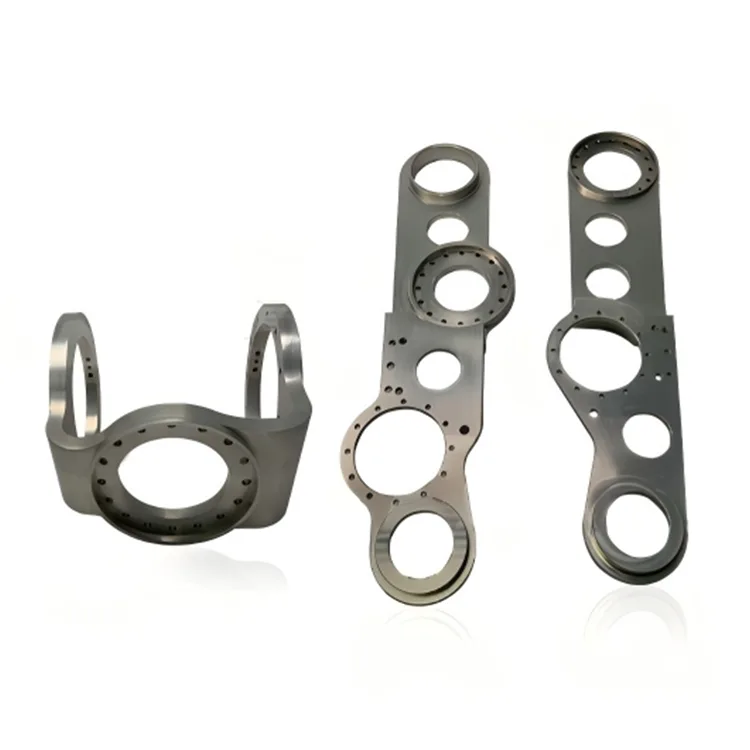
- Carbon Fiber Limbs: Lightweight, rigid frames for arms and legs.
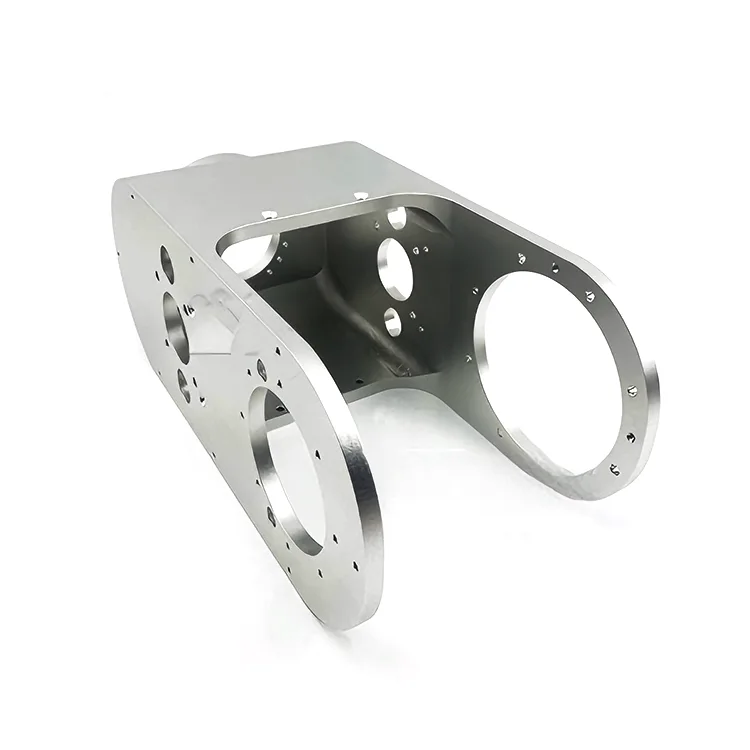
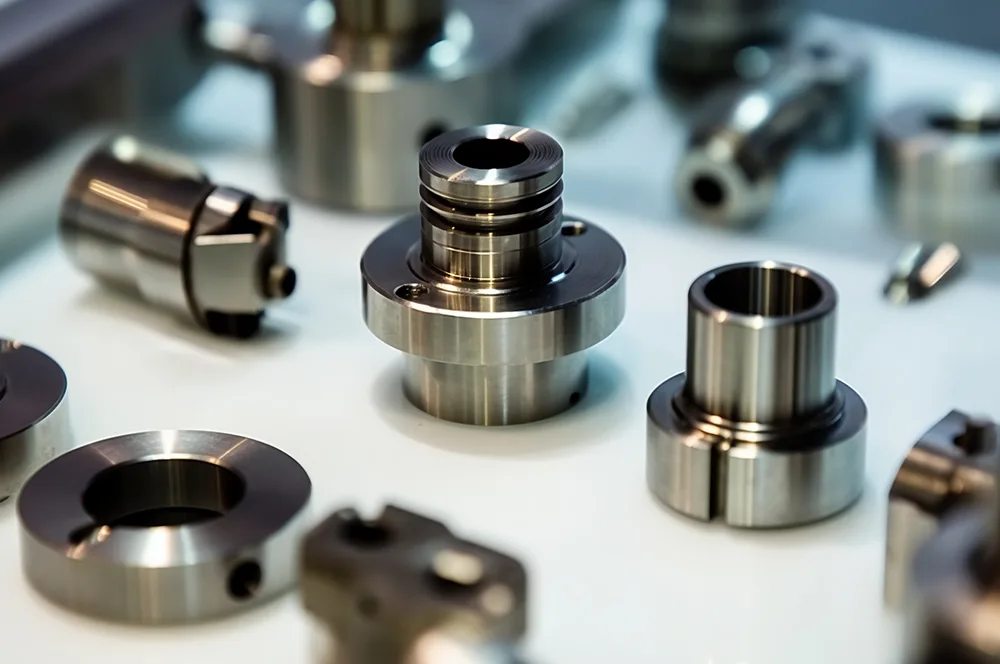
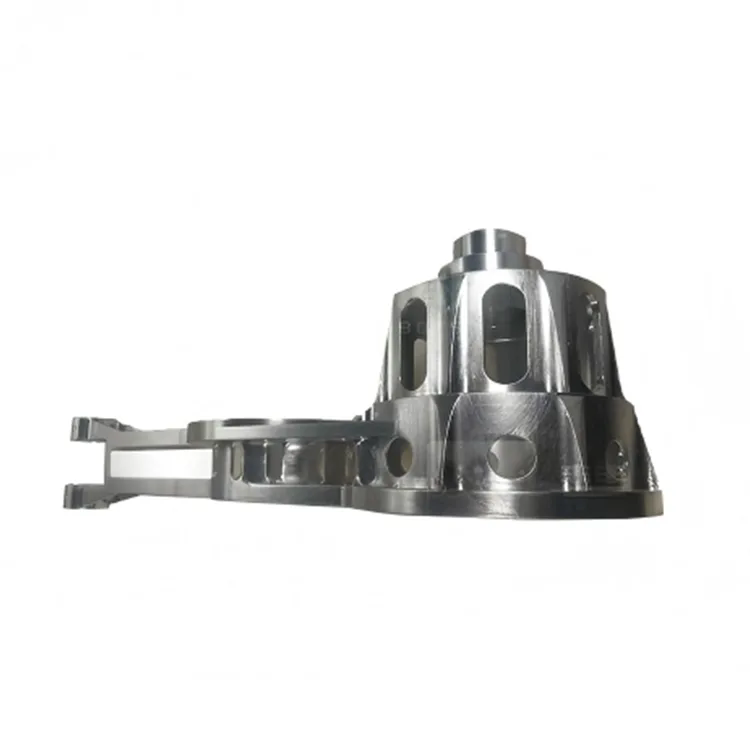
- Aluminum Alloy Joints: Protect gears and bearings while providing durability.
- Custom Connectors & Harnesses: Designed for repeated flexing and reliable data transmission.
Sensors – The Robot’s Senses
- Force-Torque Sensors: Detect pressure and load for balance and manipulation.
- IMU Sensors: Track orientation and angular velocity for stable locomotion.
- Vision Modules: Enable environmental perception and interaction.
Guide to Choosing the Right Parts
Choosing the correct parts depends on the robot's intended application, range of motion, torque requirements, and precision. Consider the following guidelines:
- Joint Motion: Rotary servos for rotational movement, linear actuators for push-pull actions.
- Torque & Force: High-torque motors for weight-bearing joints like hips and knees.
- Precision: Use low-backlash gear systems for fine control tasks.
- Compatibility: Ensure sensors and actuators support standard communication protocols (CAN, EtherCAT, I2C, SPI).
Integration and Assembly Tips
- Plan the mechanical layout before assembling actuators and joints to avoid interference.
- Use modular connectors and harnesses for easier maintenance.
- Test sensors and actuators individually before full integration.
- Document wiring and control mapping to simplify troubleshooting.
FAQ
Q1: What are the most critical parts for stable walking?
A1: High-performance actuators in hips, knees, and ankles, force-torque sensors, IMU modules, and a capable main control board are essential for bipedal locomotion.
Q2: How do I select between servo, linear, or harmonic drive actuators?
A2: Consider the joint type, torque, range of motion, speed, and precision. Rotary servos suit rotational joints; linear actuators for push-pull motion; harmonic drives for high torque and low backlash applications.
Q3: What communication protocols are standard for humanoid robots?
A3: CAN Bus, EtherCAT, PROFINET, I2C, and SPI are commonly used depending on speed and data requirements.
Conclusion
Humanoid robot parts are the foundation of advanced robotics performance. From actuators to sensors and structural components, selecting high-quality parts is key to achieving precision, stability, and longevity. Suzhou Deaote Precision Mould Co., Ltd., offers a complete range of humanoid robot components designed for seamless integration and reliable performance. To explore our products and discuss solutions for your project, contact us today.
Related News
- How Does Household Motor Iron Core Mold Improve Motor Manufacturing?
- How Are Medical Device Components Shaping the Future of Healthcare Manufacturing?
- How Does Robot Parts Processing Improve Modern Manufacturing?
- How Marine Equipment Parts Enhance Your Vessel’s Performance?
- How Do Dexterous Hand Parts Enhance Robotic Precision?
- How Do Robotic Arm Joint Parts Improve Precision and Performance in Automation?
Leave me a message