
Why Are EV Motor and Rotor Laminations with Oil Holes Important?
EV Motor and Rotor Laminations with Oil Holes have become an important technology direction in electric vehicle motor manufacturing. As electric vehicles continue to develop toward higher efficiency, stronger power output, and improved thermal management, motor manufacturers are paying increasing attention to the structural design and heat dissipation performance of core components.
The electric motor is one of the key systems that determines vehicle performance. Its internal components must achieve a balance between electromagnetic efficiency, mechanical strength, thermal stability, and long-term reliability. Advanced lamination structures help manufacturers improve motor performance while supporting the demanding requirements of modern electric mobility.
The Growing Demand for Advanced Electric Vehicle Motor Technology
The rapid expansion of the electric vehicle industry is creating new challenges for motor design and manufacturing. Compared with traditional power systems, electric drive units require more precise control of energy conversion efficiency, operating temperature, and component durability.
Supporting Higher Performance Motor Systems
Electric vehicle motors operate under changing conditions, including different speeds, loads, and driving environments. These variations require motor components to maintain stable performance during frequent acceleration, deceleration, and continuous operation.
The motor core plays a major role in electromagnetic performance. Its structure influences magnetic flux distribution, energy losses, and overall operating efficiency. Precision-manufactured laminations provide the foundation for creating motors that meet modern vehicle performance expectations.
Improving Thermal Management Capability
Heat management is one of the most important considerations in electric motor development. Excessive heat accumulation can influence efficiency, insulation performance, and component service life. Therefore, manufacturers are exploring more effective cooling solutions within motor structures.
Oil cooling technology has attracted attention because it can directly support heat removal from critical motor areas. By integrating suitable oil passage designs into the motor core structure, manufacturers can improve thermal control and maintain more stable operating conditions.
| Motor Component Area | Main Requirement | Technical Benefit |
|---|---|---|
| Rotor Structure | Stable mechanical performance | Reliable high-speed operation |
| Electrical Steel Core | Accurate lamination quality | Improved electromagnetic performance |
| Cooling Design | Effective heat transfer | Better thermal stability |
| Manufacturing Process | Consistent precision control | Higher production reliability |
How Precision Laminations Influence EV Motor Efficiency
Motor laminations are manufactured from thin electrical steel sheets that are stacked together to form the motor core. The accuracy of each lamination directly affects the final assembly quality and operating performance of the motor.
Reducing Energy Loss During Operation
Electrical steel laminations help reduce unwanted energy losses caused by magnetic effects during motor operation. Precise processing ensures that the designed magnetic structure can be achieved, allowing the motor to operate more efficiently.
Manufacturing accuracy is especially important for electric vehicle applications because motors often require compact structures while delivering strong performance. Small dimensional differences between components may influence the overall efficiency and stability of the drive system.
Optimizing Internal Cooling Structures
The development of EV motors has increased interest in integrated cooling solutions. Traditional cooling methods may not always provide sufficient heat control for high-performance applications, especially when motors operate under demanding conditions.
EV Motor and Rotor Laminations with Oil Holes provide an approach that combines core manufacturing with thermal management requirements. The carefully designed oil hole structures allow cooling oil to reach specific areas, helping improve heat dissipation and supporting more stable motor operation.
Key Manufacturing Considerations for Modern Motor Cores
Producing high-quality motor cores requires close cooperation between engineering design and precision manufacturing. The tooling, materials, machining processes, and inspection methods all influence the final component performance.
Precision Tooling and Stamping Technology
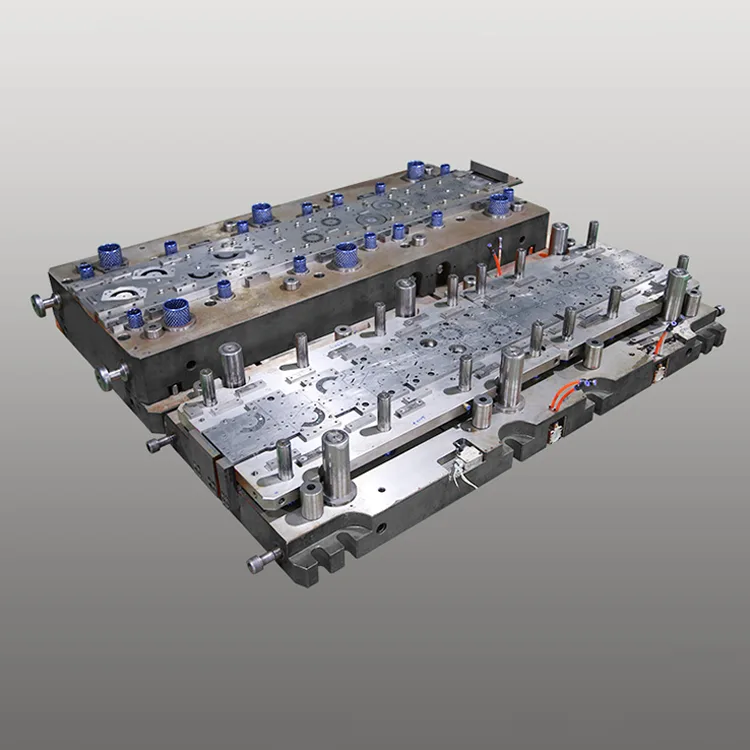
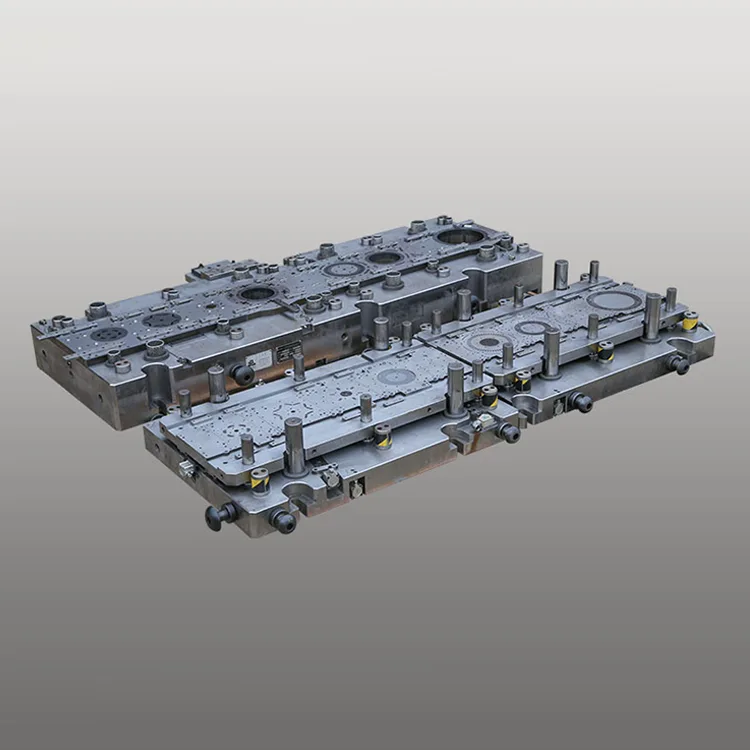
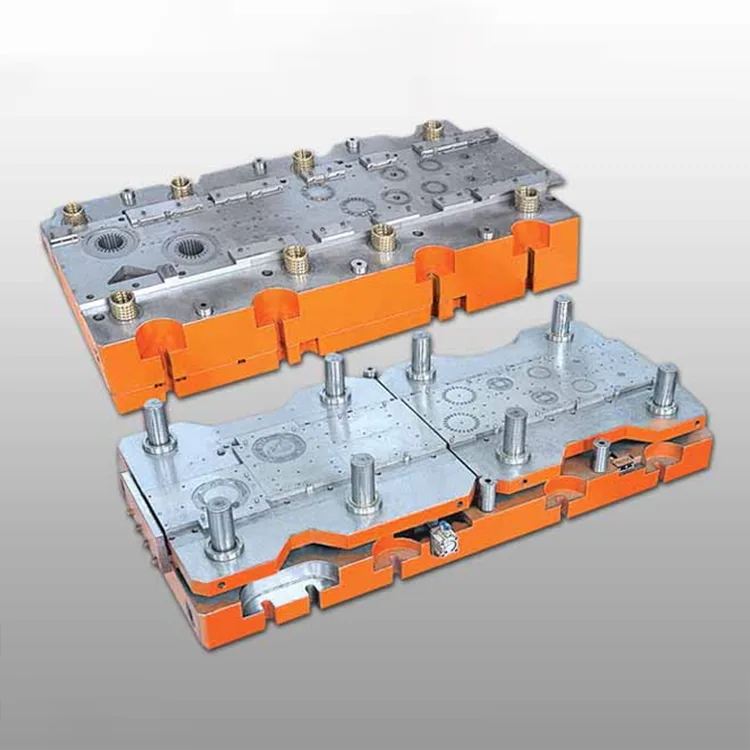
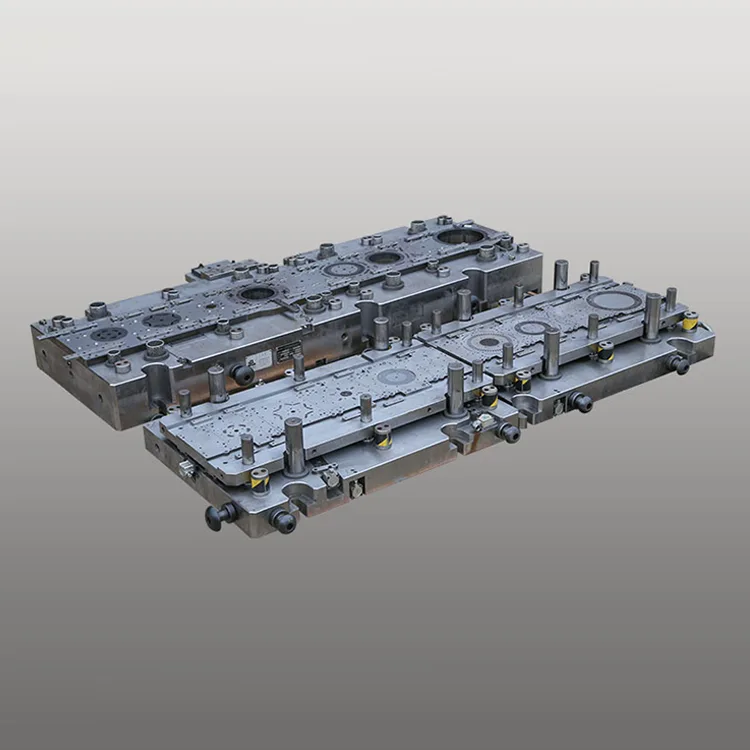
Motor core production depends heavily on advanced stamping technology. The mould must maintain accurate geometry throughout repeated production cycles to ensure consistent lamination quality.
Precision tooling design involves careful consideration of material characteristics, cutting conditions, component structure, and production requirements. A well-developed mould helps manufacturers achieve stable output while reducing unnecessary production variation.
Material Selection and Processing Control
Electrical steel materials have specific magnetic and mechanical characteristics that influence motor performance. Manufacturers need to understand material behavior during processing to ensure that the final laminations maintain the required structural and functional properties.
Effective process control includes material preparation, precision forming, surface inspection, and quality verification. These procedures help ensure that components meet the expectations of advanced motor applications.
Maintaining Structural Accuracy
The internal structure of an electric motor requires accurate alignment between different components. Rotor and stator parts must work together properly to achieve smooth rotation and efficient energy conversion.
High-precision manufacturing helps maintain the dimensional consistency required for motor assembly. This is particularly important for electric vehicle applications where performance, reliability, and durability are closely connected.
Industry Trends Driving Electric Motor Innovation
The electric vehicle industry is moving toward more efficient, compact, and intelligent power systems. These trends are encouraging manufacturers to explore improved motor structures and more advanced production technologies.
Higher Power Density Requirements
Electric vehicle manufacturers are seeking motors that provide stronger output while maintaining compact dimensions. Increasing power density requires improvements in electromagnetic design, cooling systems, and manufacturing accuracy.
Advanced lamination solutions support this development by helping engineers create optimized motor cores with better performance characteristics. Precision manufacturing becomes increasingly important as motor structures become more complex.
Integration of Intelligent Manufacturing
Smart manufacturing technologies are transforming the production of precision components. Digital design systems, automated processing equipment, and advanced inspection methods allow manufacturers to improve efficiency and maintain consistent quality.
These technologies also support faster product development by improving communication between engineering teams and production departments. Manufacturers can evaluate designs more effectively and respond to changing industry requirements.
Focus on Sustainable Transportation
The global transition toward cleaner transportation continues to increase demand for electric vehicles. Efficient motor systems are essential for improving driving range, reducing energy consumption, and enhancing the overall sustainability of electric mobility.
As vehicle manufacturers continue to improve electric drive technologies, precision component suppliers play an important role in supporting innovation throughout the supply chain.
Challenges and Future Development of Motor Core Manufacturing
Although electric motor technology continues to advance, manufacturers still face challenges related to efficiency improvement, thermal control, production costs, and component complexity. These challenges require continuous innovation in engineering design, processing technology, and manufacturing management.
Balancing Performance and Manufacturing Efficiency
High-performance motor designs often require more sophisticated structures and tighter manufacturing requirements. Suppliers need to balance technical performance with practical production conditions to create solutions that are both reliable and suitable for large-scale manufacturing.
Advanced manufacturing capabilities allow companies to develop components that satisfy engineering expectations while maintaining production stability. Continuous improvement in machining accuracy, tooling technology, and inspection methods will remain essential for future development.
Supporting Customized Motor Designs
Different electric vehicle platforms may require different motor specifications. Customized component solutions allow manufacturers to optimize motor structures according to specific application requirements and performance targets.
Flexible precision manufacturing capabilities help companies respond to diverse project needs while maintaining consistent quality standards. This approach creates opportunities for closer cooperation between motor developers and precision manufacturing suppliers.
The Importance of Professional Precision Manufacturing Partners
Selecting an experienced manufacturing partner is important for companies developing advanced electric motor systems. A capable supplier should have expertise in precision machining, mould development, material processing, and quality management.
Professional manufacturers can provide support throughout the development process, from engineering communication and design optimization to production and inspection. This integrated capability helps improve project efficiency and product reliability.
The future of electric mobility depends not only on vehicle design but also on the precision and performance of essential internal components. EV Motor and Rotor Laminations with Oil Holes represent an important development direction that combines electromagnetic optimization with advanced thermal management concepts.
Deaote's Precision Manufacturing Expertise
Suzhou Deaote Precision Mould Co., Ltd. is a high-tech enterprise specializing in precision manufacturing and customized industrial solutions. Located in Wuzhong District, Suzhou, Jiangsu Province, the company provides professional services for industries including high-end equipment manufacturing, semiconductors, new energy, robotics, automotive applications, electronics, and medical devices.
Comprehensive Engineering Capabilities
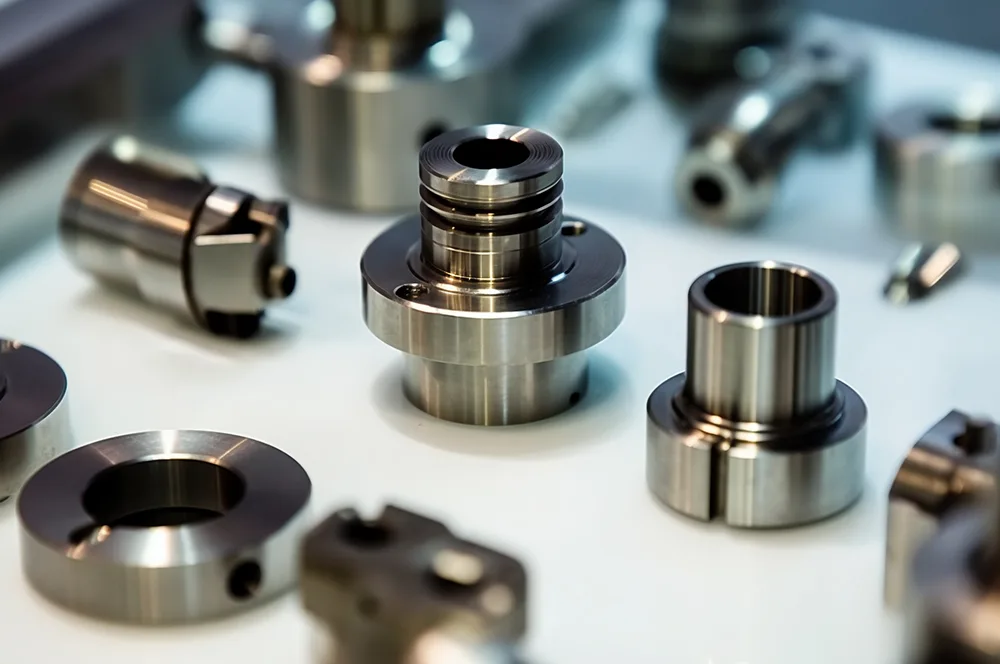
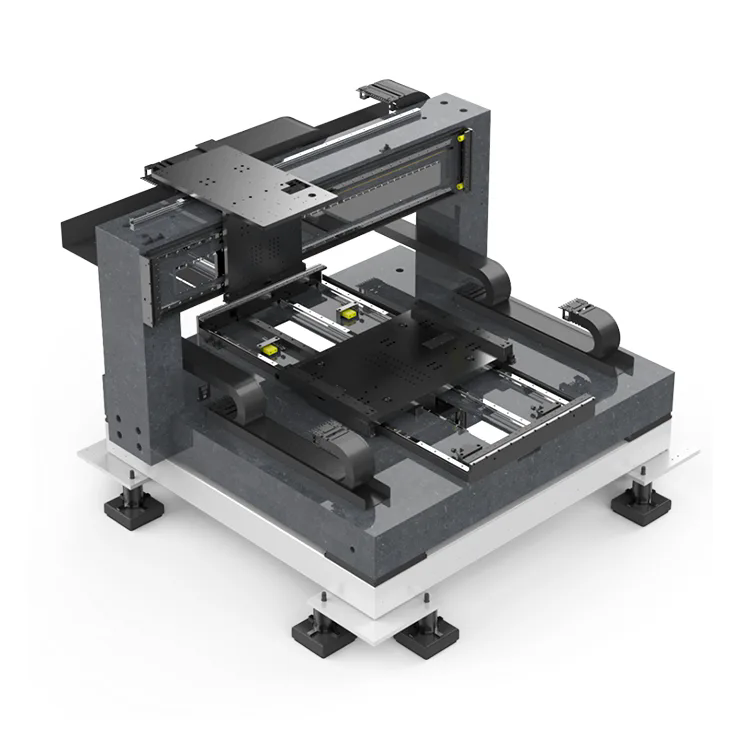
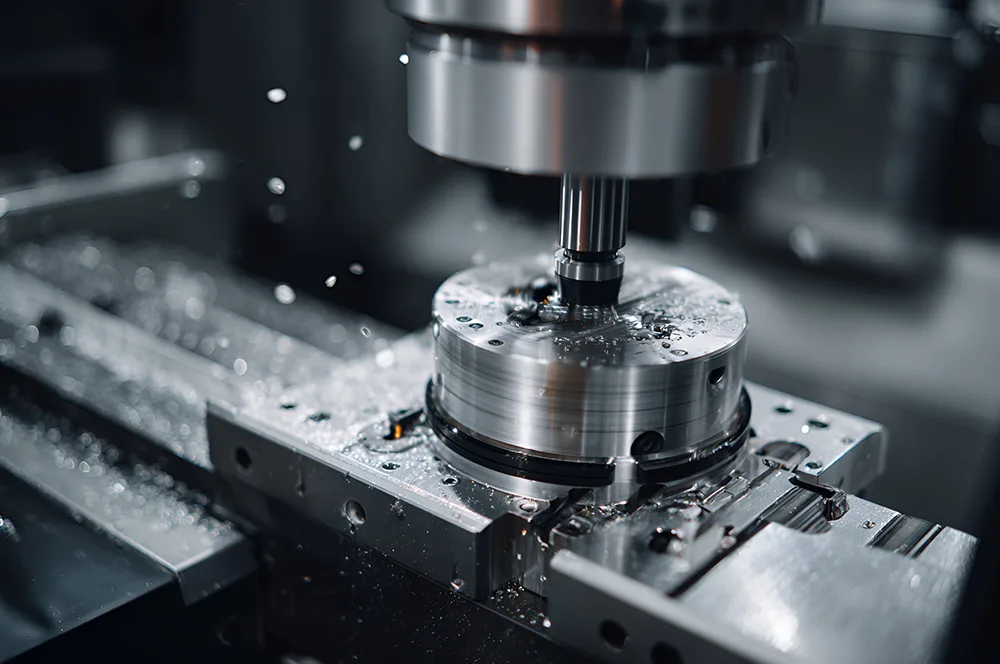
Deaote focuses on precision mould manufacturing, high-precision component processing, multi-axis precision machining, automated equipment components, precision motion platforms, linear motion modules, and motor core mould solutions.
With strong R&D design capabilities and advanced manufacturing resources, the company supports complex industrial projects requiring high accuracy, stable performance, and reliable production solutions.
Supporting Future Industrial Development
Through continuous technological improvement and professional manufacturing experience, Deaote is committed to providing reliable precision solutions for global partners. Its expertise in motor-related moulds and precision components enables the company to support the development of advanced electric vehicle technologies and other high-performance industrial applications.
With a focus on precision, innovation, and customized manufacturing services, Deaote continues to strengthen its role as a trusted partner for companies seeking advanced manufacturing solutions in the evolving field of electric mobility.
Previous :
-
Related News
- How Does Household Motor Iron Core Mold Improve Motor Manufacturing?
- How Are Medical Device Components Shaping the Future of Healthcare Manufacturing?
- How Does Robot Parts Processing Improve Modern Manufacturing?
- How Marine Equipment Parts Enhance Your Vessel’s Performance?
- How Do Dexterous Hand Parts Enhance Robotic Precision?
- How Do Robotic Arm Joint Parts Improve Precision and Performance in Automation?
Leave me a message