
How Does Household Motor Iron Core Mold Improve Motor Manufacturing?
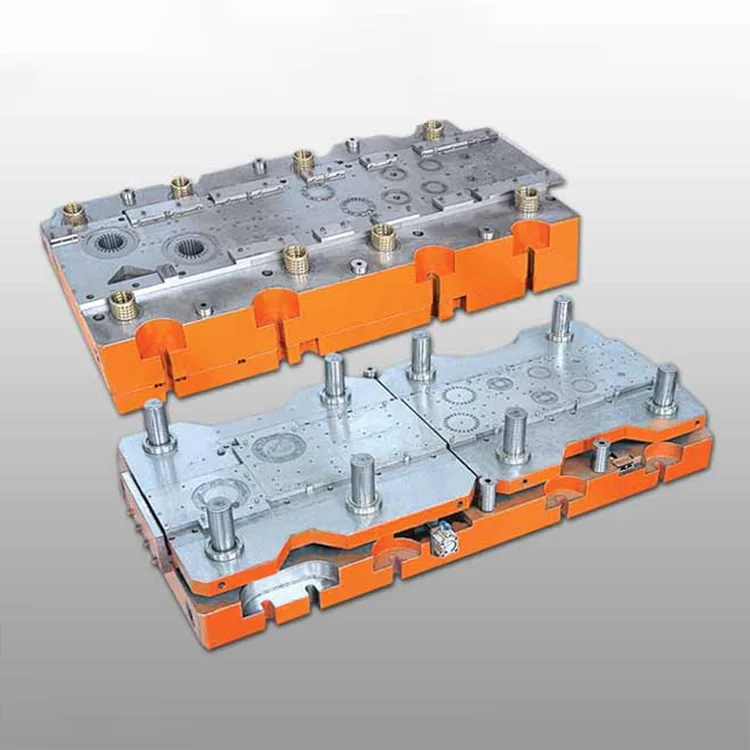
Household Motor Iron Core Mold plays an important role in the production of motor cores used in modern home appliances. As household equipment becomes quieter, more efficient, compact, and intelligent, motor manufacturers are facing higher expectations for dimensional consistency, electromagnetic performance, structural stability, and production efficiency. Precision mould technology provides the foundation for producing accurately formed electrical steel laminations and maintaining stable core quality throughout the manufacturing process.
The development of household appliances is closely connected with advances in motor technology. Washing machines, refrigerators, air conditioners, ventilation systems, kitchen equipment, vacuum cleaners, and other electrically powered products increasingly rely on motors designed for efficient and dependable operation. Behind these motors, carefully engineered stamping moulds help shape the core components that determine how effectively the motor converts electrical energy into mechanical motion.
Why Motor Core Manufacturing Matters in Home Appliances
Electric motors are fundamental components in many household appliances. Their operating efficiency affects energy consumption, noise levels, thermal behavior, service life, and the overall user experience. Although the motor may appear relatively simple from the outside, its internal structure requires close control over material properties, geometry, assembly, and manufacturing consistency.
The Function of Laminated Electrical Steel
A motor core is commonly assembled from thin electrical steel laminations. These laminations are designed to reduce undesirable electrical losses while creating the magnetic path required for motor operation. Each individual sheet needs to maintain an accurate profile so that the finished core can achieve the intended magnetic and mechanical characteristics.
The stamping process therefore has a direct influence on the quality of the finished component. Poorly controlled forming can create dimensional deviations, burrs, deformation, or inconsistent features. These issues may affect assembly accuracy and can ultimately influence motor performance.
Supporting Compact Appliance Designs
Household appliances are increasingly designed around compact structures. Consumers expect appliances to deliver stronger functionality without occupying excessive space. This trend places greater demands on the motors installed inside these products.
Smaller motor structures often leave less room for manufacturing variation. Stator and rotor laminations must fit correctly with associated components, while the magnetic geometry needs to remain consistent with the engineering design. Precision mould manufacturing provides manufacturers with the technical foundation required to achieve these objectives.
| Application | Core Requirement | Manufacturing Focus |
|---|---|---|
| Washing Machines | Stable rotation and low vibration | Accurate lamination geometry |
| Air Conditioning Systems | Efficient and reliable operation | Consistent core dimensions |
| Refrigeration Equipment | Continuous operating stability | Durable stamping performance |
| Kitchen Appliances | Compact motor integration | Precise component forming |
| Vacuum Cleaners | High-speed motor performance | Controlled manufacturing quality |
How Precision Tooling Supports Production Quality
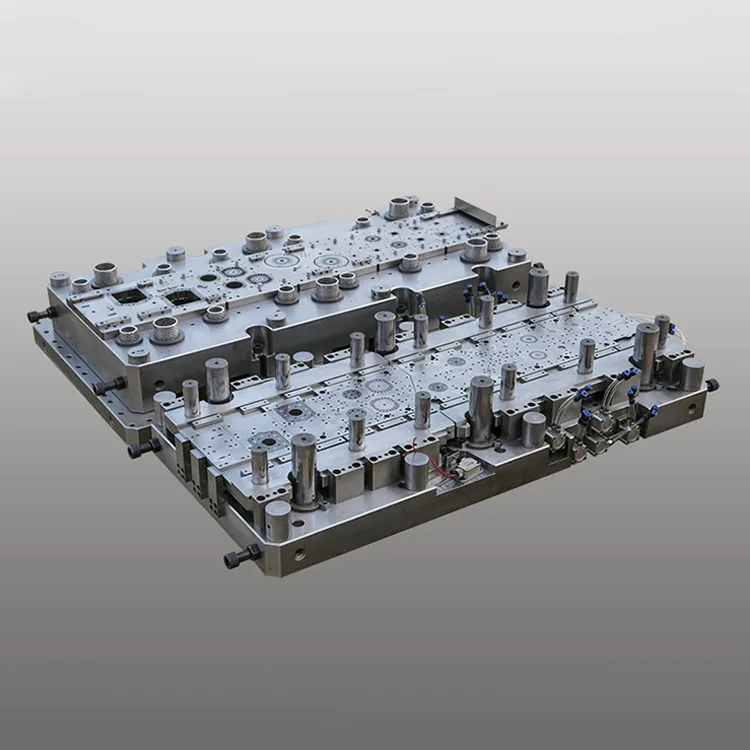
The quality of a motor core begins with the accuracy of the tooling used to form its laminations. A well-engineered stamping mould must accommodate material characteristics, product geometry, production conditions, and expected service requirements. Tool design is therefore not simply a matter of creating a cavity or cutting profile. It involves detailed consideration of the complete manufacturing process.
Accurate Geometric Formation
Motor laminations contain functional features such as slots, openings, outer profiles, and locating structures. Their positions and dimensions need to remain consistent throughout production. Precision tooling helps maintain the relationship between these features and supports reliable assembly of the final core.
For Household Motor Iron Core Mold applications, engineering accuracy is particularly important because repeated stamping operations require the mould to maintain stable forming performance. Proper tool construction can contribute to consistent product geometry and reduce unnecessary variation during manufacturing.
Controlled Edge Quality
Edge condition is another important consideration in electrical steel stamping. Excessive burr formation can interfere with lamination stacking and may create additional challenges during subsequent assembly or insulation processes.
Careful control of die geometry, material behavior, clearance, and processing conditions can help achieve cleaner stamped edges. The objective is to create a stable production process in which component quality remains consistent rather than relying on extensive correction after stamping.
Stable Repetitive Manufacturing
Household motor production often requires continuous manufacturing of large quantities of similar components. A mould must therefore provide not only initial dimensional accuracy but also dependable performance throughout repeated production cycles.
Tool durability, structural rigidity, wear resistance, and maintenance accessibility all influence production stability. A well-designed mould can help manufacturers maintain consistent output while reducing interruptions caused by premature tool wear or frequent adjustments.
Engineering Considerations for Modern Motor Tooling
Developing a precision mould for motor core production requires coordination between product engineering and manufacturing technology. The design should reflect the characteristics of the electrical steel, stamping equipment, production method, and final motor structure.
Material Selection and Processing Behavior
Electrical steel has specific mechanical and magnetic characteristics that influence stamping behavior. The selected material needs to be considered during tooling development because differences in thickness, hardness, coating, and mechanical response can affect forming performance.
Understanding material behavior allows engineers to develop more appropriate tooling structures and processing conditions. This approach helps reduce unnecessary trial production and supports more predictable manufacturing results.
Tool Structure and Mechanical Stability
A stamping mould must remain mechanically stable during operation. Structural deformation or insufficient support can affect the accuracy of the finished lamination. Precision components within the tooling system must also work together correctly to maintain the intended movement and forming sequence.
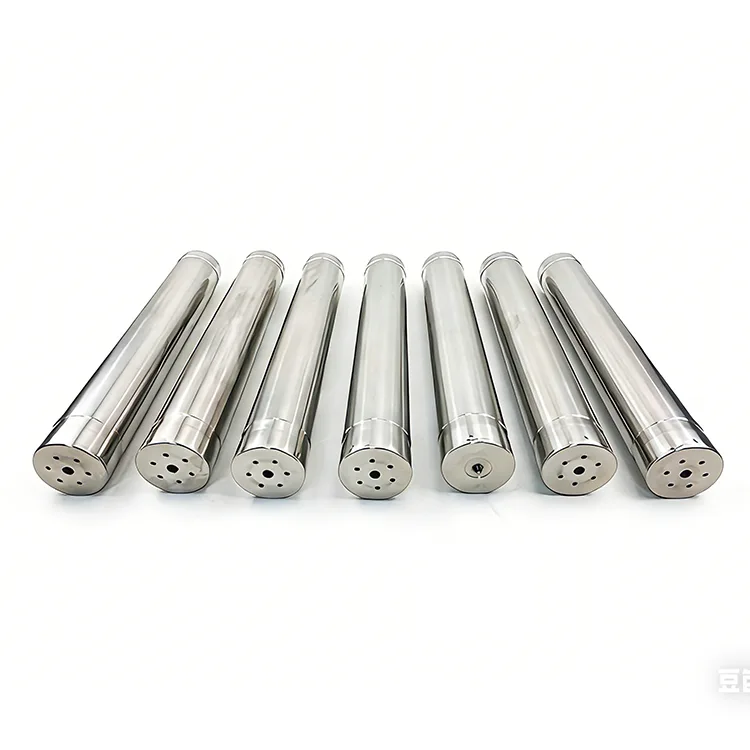
Modern mould manufacturing therefore combines mechanical design expertise with high-precision machining. Careful production of mould bases, inserts, guides, cutting elements, and other functional components contributes to the overall stability of the system.
Integration with Automated Production
Automation is becoming increasingly important in motor manufacturing. Automated feeding, stamping, inspection, stacking, and material handling systems can improve production consistency while reducing unnecessary manual intervention.
Tooling needs to be compatible with the broader production system. A well-developed mould should support stable material movement, repeatable forming, and efficient integration with automated equipment. This compatibility becomes particularly valuable when manufacturers are working toward intelligent and connected production environments.
Industry Trends Changing Household Motor Production
The household appliance sector is undergoing continuous technological development. Energy efficiency, intelligent control, lower noise, compact structures, and improved durability are becoming important characteristics of modern appliances. These trends are influencing the design and manufacturing requirements of the motors installed inside them.
Higher Efficiency Requirements
Energy efficiency has become an important consideration in appliance engineering. Motor designers are working to reduce losses and improve operating efficiency across different load conditions. The geometry and assembly accuracy of the motor core can contribute to these objectives.
As motor designs become more optimized, manufacturing tolerances can become increasingly demanding. Precision tooling helps translate complex engineering designs into repeatable physical components while supporting stable production quality.
Lower Noise and Vibration
Noise performance is especially important for household appliances used in residential environments. Mechanical imbalance, dimensional inconsistencies, and improper component alignment can contribute to unwanted vibration or acoustic behavior.
Accurate core laminations help create a more consistent foundation for motor assembly. When manufacturing processes are properly controlled, the relationship between the rotor, stator, shaft, and related components can be maintained more effectively.
More Intelligent Manufacturing
Digital manufacturing technologies are changing how moulds and precision components are designed, produced, inspected, and maintained. Three-dimensional modelling, computerized machining, process monitoring, and digital inspection can provide manufacturers with stronger control over complex production processes.
These technologies also improve communication between product designers and manufacturing engineers. Digital information can be used throughout the development cycle, allowing potential design and production issues to be identified earlier.
Quality Management from Design to Finished Tooling
Precision mould quality cannot depend on a single production stage. Effective quality management should cover engineering analysis, material preparation, machining, assembly, testing, and final inspection. Each stage contributes to the reliability of the completed tooling system.
Design Verification
Before manufacturing begins, engineers need to evaluate the product structure and tooling concept. Design verification can help identify potential interference, forming difficulties, insufficient support, or other issues that may affect production.
Early engineering analysis is valuable because modifications made during the design stage are generally more manageable than changes introduced after the mould has entered production. A systematic development process therefore supports both technical quality and project efficiency.
Precision Machining and Assembly
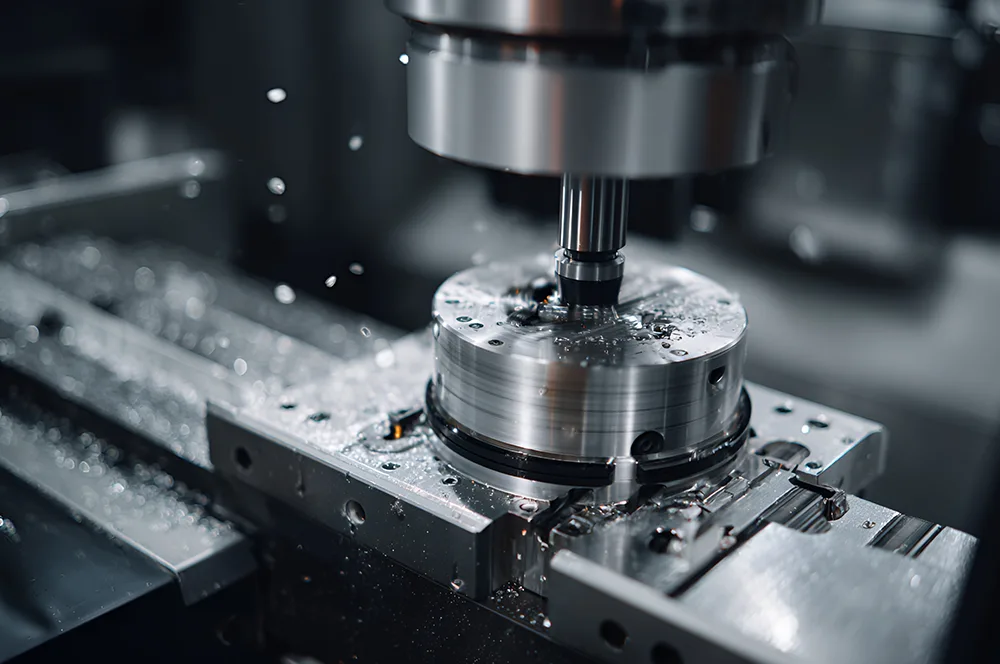
High-quality tooling depends on accurate machining of critical components. Modern multi-axis machining equipment can support the production of complex mould structures and precision features. Skilled technicians are also required to ensure that individual components are assembled correctly.
After machining, inspection procedures help verify critical dimensions, surface conditions, alignment, and functional performance. Consistent inspection practices create a stronger connection between engineering specifications and actual manufacturing results.
Maintenance and Process Stability
Even advanced tooling requires appropriate maintenance. Continuous stamping can gradually affect cutting edges, guides, surfaces, and other functional elements. Regular inspection helps manufacturers identify wear before it creates significant production problems.
A preventive maintenance approach can support stable production, reduce unexpected interruptions, and extend the useful service period of precision tooling. Maintenance requirements should also be considered during the original tool design so that inspection and replacement can be performed efficiently.
Where Precision Motor Core Tooling Is Heading
The future of motor core manufacturing is closely connected with the broader development of electrification and intelligent household equipment. As appliance manufacturers pursue better efficiency and stronger performance, motor structures will continue to evolve.
Greater Design Complexity
Future motor designs may incorporate increasingly refined magnetic circuits, optimized slot structures, compact dimensions, and specialized lamination geometries. These developments will require mould manufacturers to strengthen their engineering capabilities and machining precision.
Complex product structures also increase the importance of communication between mould engineers and motor designers. Close technical cooperation can help ensure that the final tooling solution is practical for production while remaining faithful to the intended motor design.
More Flexible Manufacturing
The household appliance market includes a broad range of motor configurations. Manufacturers may need to support different product designs, materials, and production requirements. Flexible precision manufacturing capabilities can help respond to these changing demands.
Rather than relying solely on standardized tooling concepts, manufacturers with strong research and development capabilities can develop customized solutions based on specific motor structures and production conditions.
Stronger Integration of Engineering and Manufacturing
Future competitiveness will increasingly depend on the ability to connect product development with precision manufacturing. Mould suppliers that understand both design requirements and production realities can provide greater technical value throughout the project lifecycle.
This integrated approach can improve design feasibility, machining efficiency, production stability, and final component consistency. It also creates a stronger foundation for long-term cooperation between precision manufacturers and appliance industry partners.
Why Precision Mould Expertise Matters
Precision tooling is a specialized manufacturing field that requires experience in mechanical design, material behavior, machining technology, inspection, and process optimization. The requirements become even more demanding when the tooling is intended for electrical components used in high-volume appliance manufacturing.
A capable manufacturer should be able to understand the complete production environment rather than focusing only on individual mould components. This includes evaluating the material, stamping process, automation requirements, component geometry, assembly method, and expected production conditions.
Household Motor Iron Core Mold technology demonstrates how specialized tooling can connect precision engineering with the broader development of household electrical products. As motor technology advances, high-quality mould manufacturing will remain an important part of improving production consistency and supporting new product development.
Deaote's Precision Manufacturing Capabilities
Suzhou Deaote Precision Mould Co., Ltd. is a high-tech enterprise based in Suzhou, Jiangsu Province, specializing in precision mould manufacturing and precision component processing. The company provides customized solutions for high-end equipment manufacturing, semiconductors, new energy, robotics, automotive applications, electronics, medical devices, and other advanced industries.
Integrated Technical Services
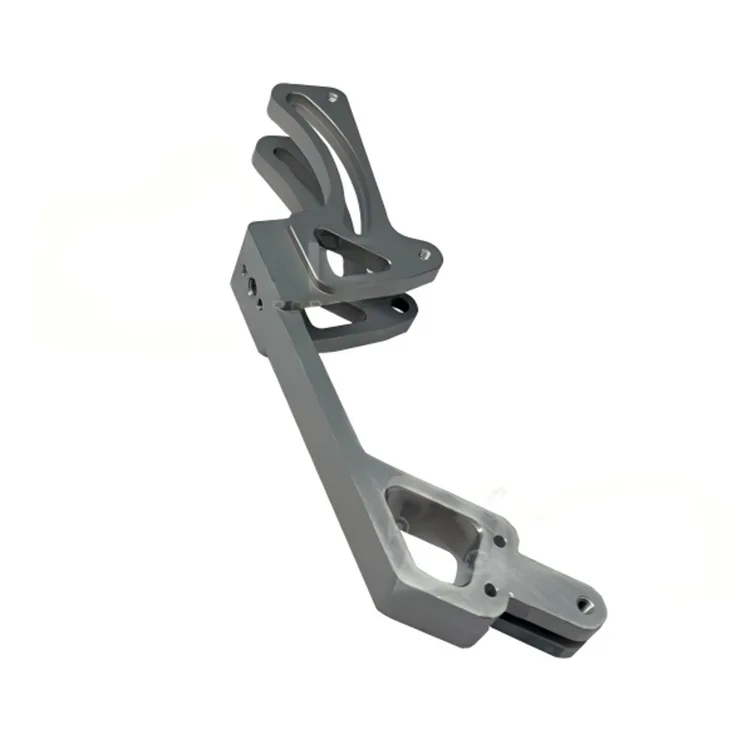
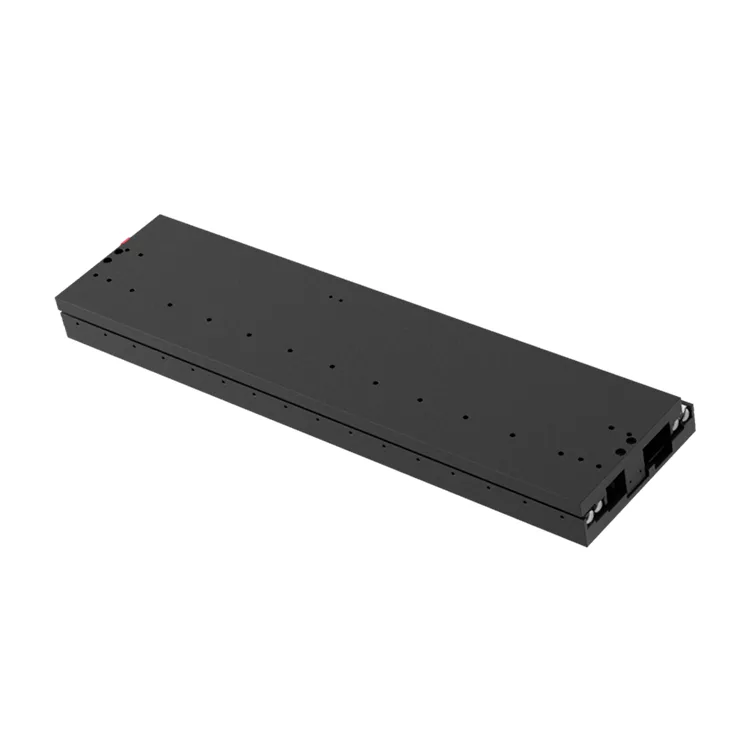
Deaote combines research and development design with precision manufacturing to support complex industrial projects. Its capabilities include high-precision component processing, multi-axis precision machining, precision motion platforms, linear motion modules, automated equipment components, and motor core moulds.
This integrated technical structure allows the company to approach mould projects from both engineering and manufacturing perspectives. By connecting design development with practical production capabilities, Deaote can provide customized solutions for applications where accuracy, consistency, and reliable processing are essential.
Supporting Evolving Industrial Requirements
With advanced production facilities and a professional technical team, Deaote focuses on continuous technological development and production capability improvement. Its experience across multiple precision manufacturing fields provides a foundation for addressing demanding component and mould requirements.
For appliance and motor manufacturers seeking specialized tooling solutions, the combination of precision machining, mould engineering, technical support, and customized manufacturing can provide a practical foundation for product development and production improvement.
As the demand for efficient and reliable household motors continues to grow, Suzhou Deaote Precision Mould Co., Ltd. is positioned to support this evolution through its expertise in precision mould design, manufacturing, and component processing. Its capabilities in motor moulds, multi-axis machining, automated equipment, and precision engineering make Deaote a suitable technical partner for companies developing advanced household motor systems and other precision industrial products.
Related News
- How Are Medical Device Components Shaping the Future of Healthcare Manufacturing?
- How Does Robot Parts Processing Improve Modern Manufacturing?
- How Marine Equipment Parts Enhance Your Vessel’s Performance?
- How Do Dexterous Hand Parts Enhance Robotic Precision?
- How Do Robotic Arm Joint Parts Improve Precision and Performance in Automation?
- How Do Humanoid Robot Parts Work?
Leave me a message