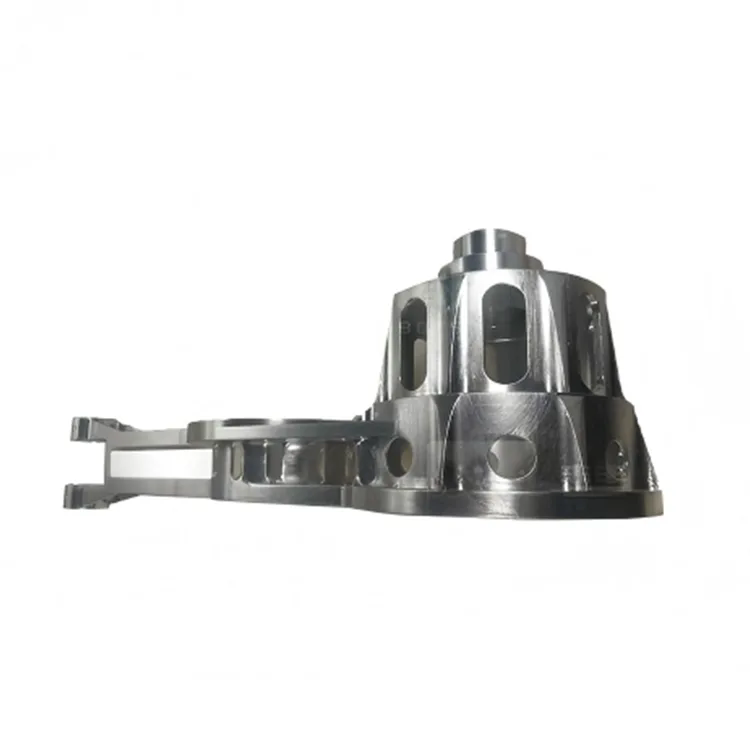
China High-Quality Robotic Arm Joint Parts Manufacturer
Understanding Robotic Arm Joint Parts: The Cornerstone of Automation
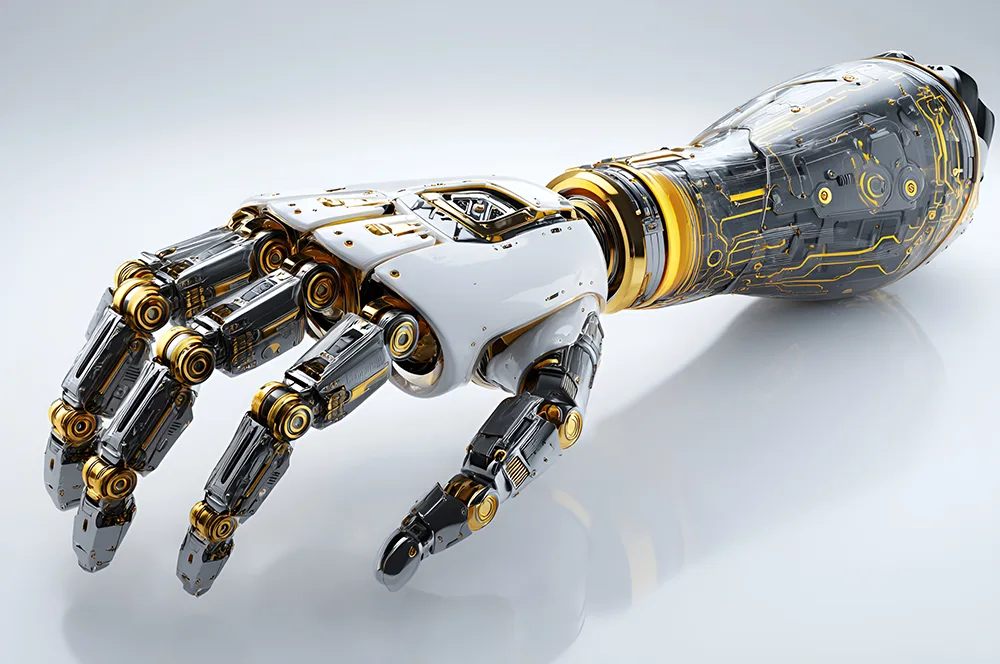
In industrial automation, collaborative robotics, and advanced manufacturing systems, the precise movement and dexterity of a robotic arm are entirely dependent on its core articulation system. These critical components, known as Robotic Arm Joint Parts, are the fundamental building blocks that enable rotation, bending, and linear motion. As a leader in precision engineering, Deaote specializes in designing and manufacturing high-performance joint parts that meet the rigorous demands of modern automation. Our components are engineered for durability, precision, and seamless integration, ensuring your robotic systems operate at peak efficiency with minimal downtime.
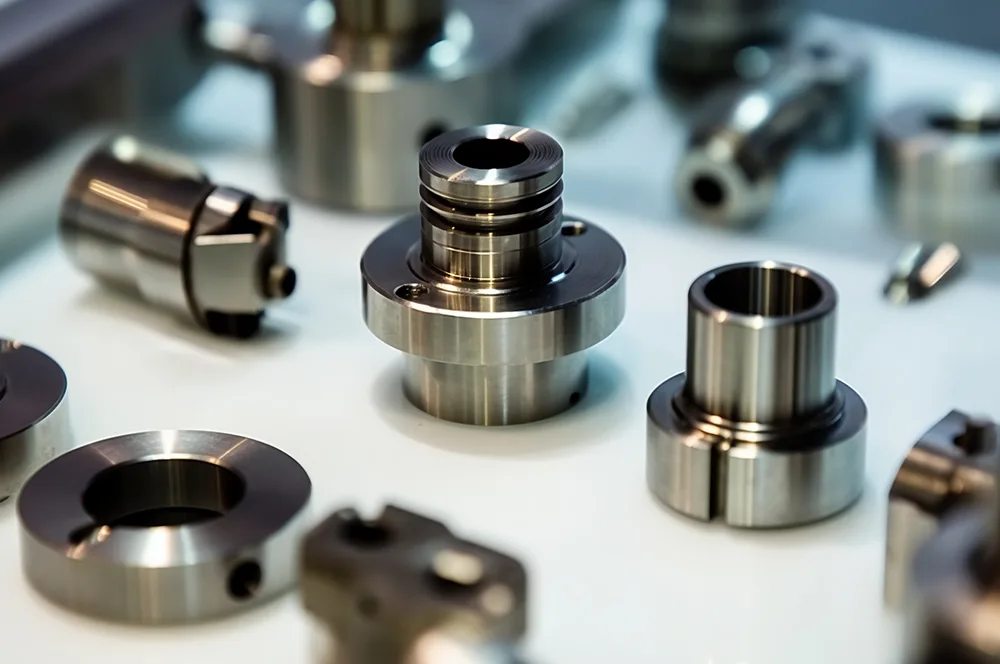
Deaote's product line encompasses a comprehensive range of joint parts, from robust rotary joints and linear actuators to sophisticated harmonic drives and integrated sensor modules. Each component is crafted using advanced materials and subjected to stringent quality control protocols. Whether you are involved in automotive assembly, electronic packaging, pharmaceutical handling, or complex research and development, selecting the right joint parts is paramount. The quality of these parts directly influences the arm's payload capacity, repeatability, speed, and overall operational lifespan.
Deaote Robotic Arm Joint Parts: Frequently Asked Questions
What are the main types of robotic arm joint parts offered by Deaote?
Deaote provides a comprehensive portfolio including Rotary Joints (for base, shoulder, elbow, and wrist rotation), Linear Actuator Joints (for prismatic/reaching motion), Wrist Joint Assemblies (combining pitch, yaw, and roll), and Specialized Kinematic Joints (like SCARA-type or delta robot joints). Each type is available in multiple sizes and performance tiers..
What is backlash and why is a low backlash rating important in joint parts?
Backlash is the slight movement or "play" between mating gear teeth when direction is reversed. In robotics, high backlash causes positional inaccuracy, vibration, and reduces the system's ability to perform precise, repeatable tasks. Deaote joints utilize precision-ground gear systems (like harmonic drives or preloaded planetary gears) and high-rigidity bearings to minimize backlash, often to less than 1 arc-minute. This is crucial for applications like precision assembly, laser cutting, or surgical robotics.
Are Deaote joint parts compatible with robots from other manufacturers like FANUC, KUKA, or Universal Robots?
While most industrial robot arms are designed as proprietary closed systems, Deaote joint parts are primarily engineered for custom robotic arm builders, research institutions, and for replacing joints in specialized or legacy equipment. For major OEM arms (FANUC, KUKA, ABB, etc.), genuine OEM parts are recommended. However, for collaborative robots (cobots) and custom automation cells, Deaote's modular joints with standard communication interfaces (EtherCAT, etc.) offer excellent compatibility and integration flexibility.
What maintenance is required for Deaote robotic arm joints?
Deaote designs for minimal maintenance. Our joints are typically sealed and lubricated for life under normal operating conditions. Primary maintenance involves periodic inspection for external damage, checking seal integrity, and monitoring for unusual noise or temperature increases. In high-cycle or extreme environment applications, a scheduled re-lubrication or bearing inspection interval may be recommended, which is clearly outlined in the product's technical documentation.
Can Deaote provide custom-engineered joint solutions?
Yes, custom engineering is a core strength at Deaote. We regularly develop solutions with modified flange dimensions, specialized mounting interfaces, integrated cabling/pneumatic pass-throughs, unique IP ratings, custom stroke/rotation limits, or tailored material specifications (e.g., cleanroom-compatible, corrosion-resistant, or non-magnetic). Contact our sales engineering team with your requirements for a feasibility study and quotation.
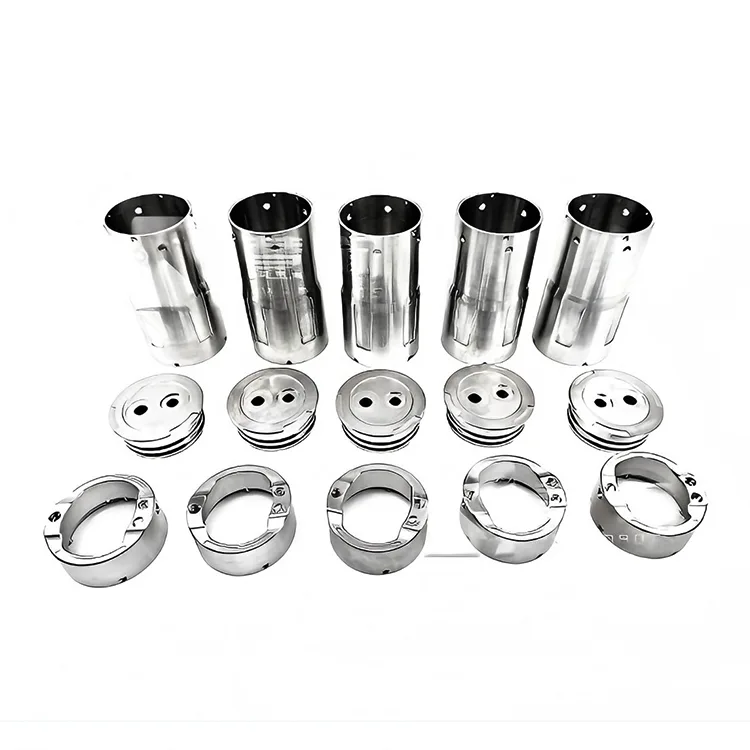
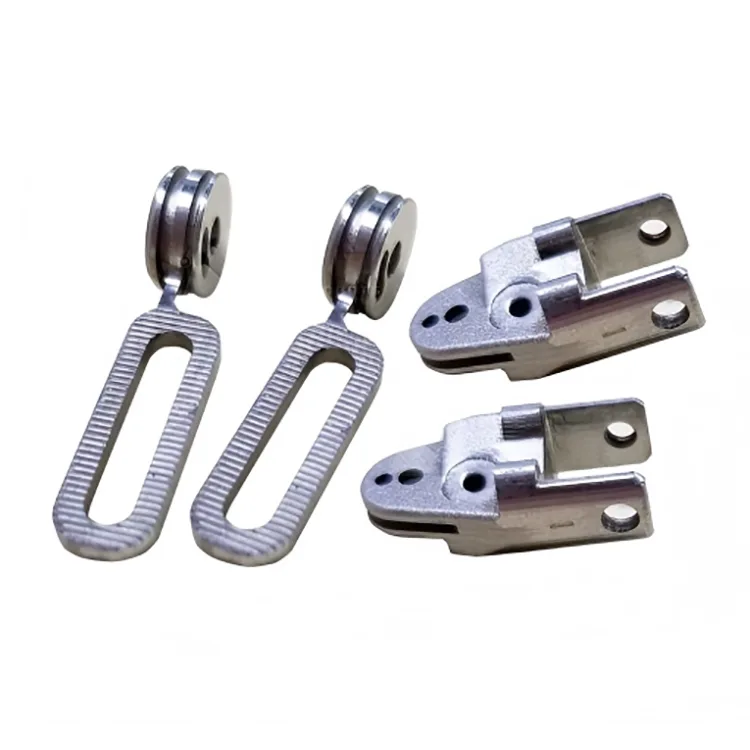
- View as
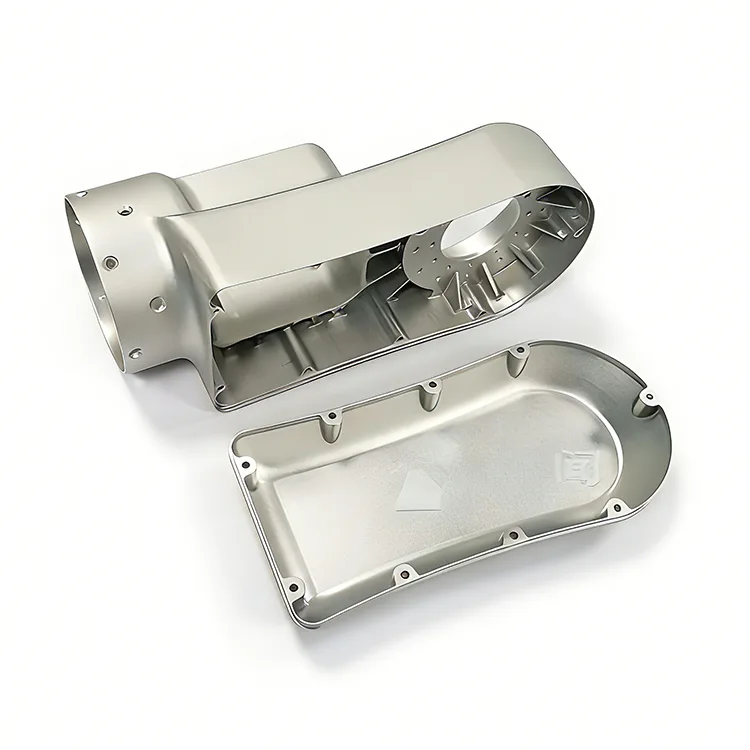
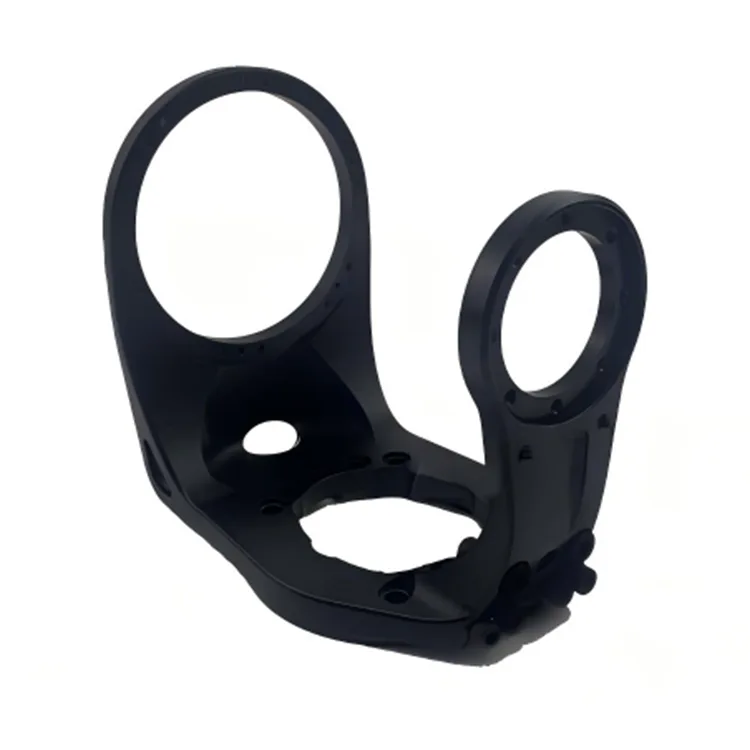
Lightweight Seven-Axis Robotic Arm Joint Component
Suzhou Deaote Precision Mould Co., Ltd., located in Wuzhong District of Suzhou City, Jiangsu Province, is a leading manufacturer of Lightweight seven-axis robotic arm joint component. Our specialized 7-axis joints are engineered for next-generation collaborative and industrial robots, delivering exceptional flexibility, precision and durability while achieving significant weight reduction compared to traditional robotic joint designs.
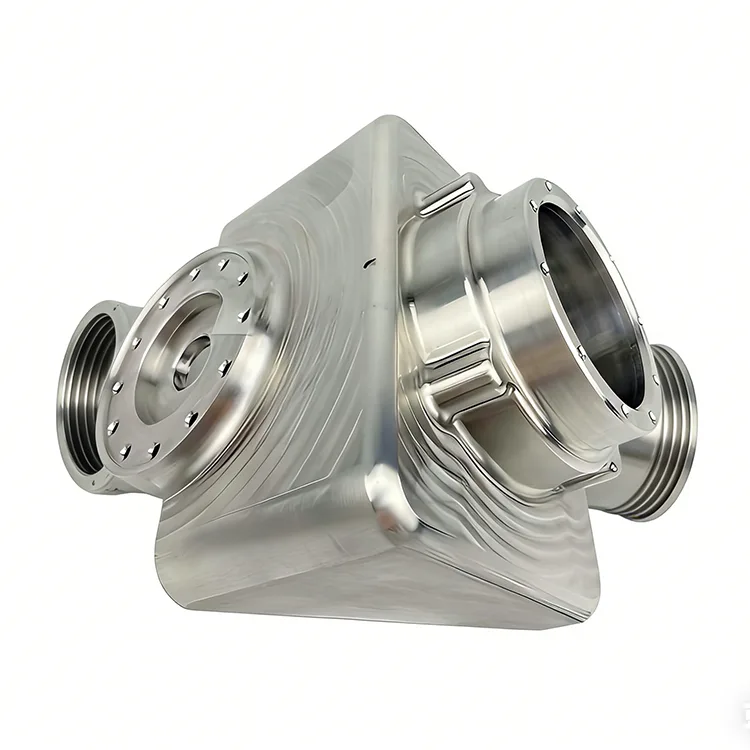
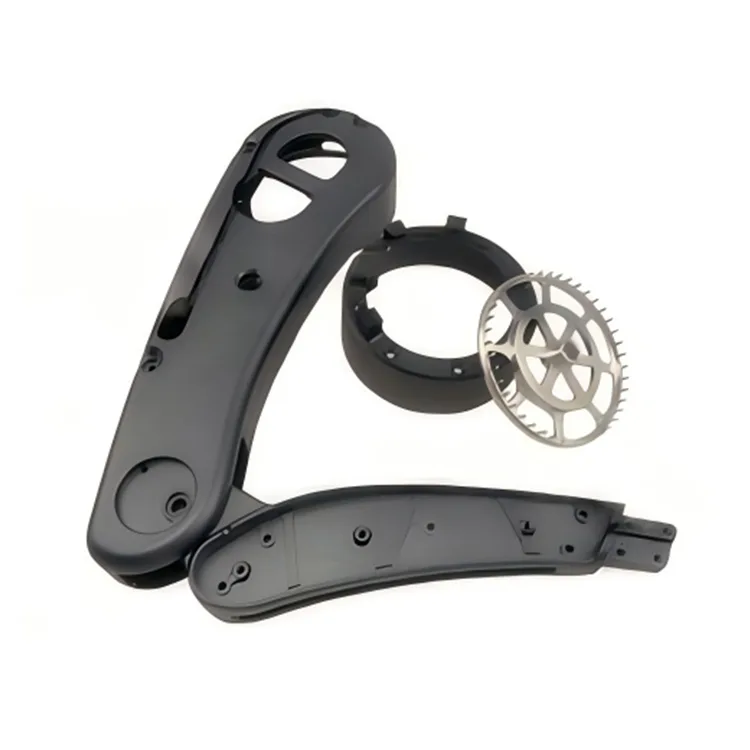
Explosion-proof Robot Joint Parts
Suzhou Deaote Precision Mould Co., Ltd., located in Wuzhong District of Suzhou City, Jiangsu Province, As a high-quality manufacturer in China, we produce Explosion-proof robot joint parts. Our specialized joints are engineered for Explosion-proof robot joint parts, delivering uncompromised performance while meeting the strictest explosion protection standards. Let’s build something great together. Contact us for details.
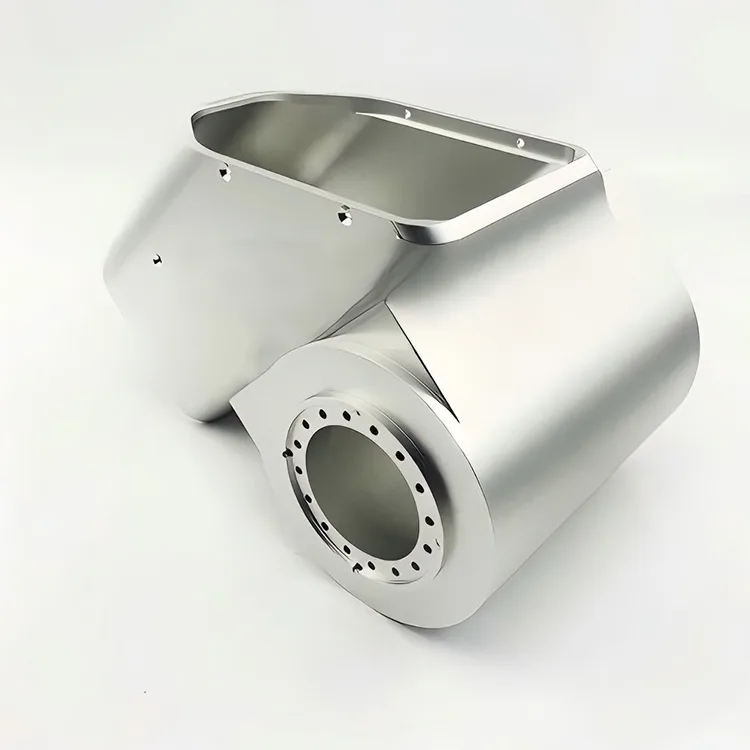
Six-Axis Robot Joint Parts
Suzhou Deaote Precision Mould Co., Ltd., located in Wuzhong District of Suzhou City, Jiangsu Province, is a leading manufacturer of Six-axis robot joint parts. Our components are specifically engineered for industrial 6-axis robotic arms, delivering exceptional precision, torque, and durability for heavy-duty automation applications. We provide customers with comprehensive project management services.
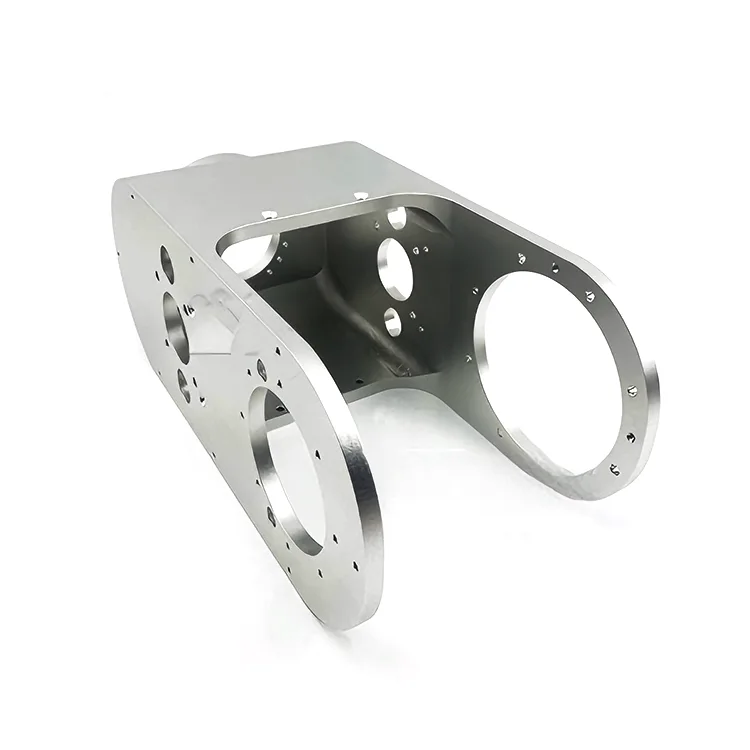
Lightweight Robot Joint Parts
Suzhou Deaote Precision Mould Co., Ltd., located in Wuzhong District of Suzhou City, Jiangsu Province, is a leading manufacturer of Lightweight robot joint parts. our factory has the latest technology and production equipment, which can provide customers all over the world very good service.
Discover the latest selling Robotic Arm Joint Parts from Deaote. Our new design focuses on high efficiency, energy saving, and long-lasting durability for modern automation systems.Request our factory online to purchase the best products now!