China Custom Humanoid Robot Parts Manufacturer
What Are Humanoid Robot Parts?
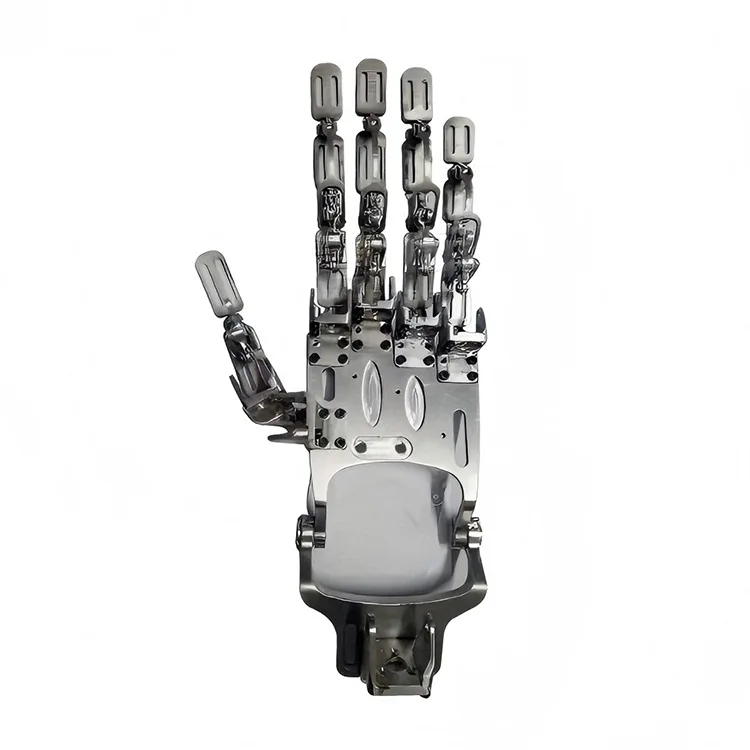
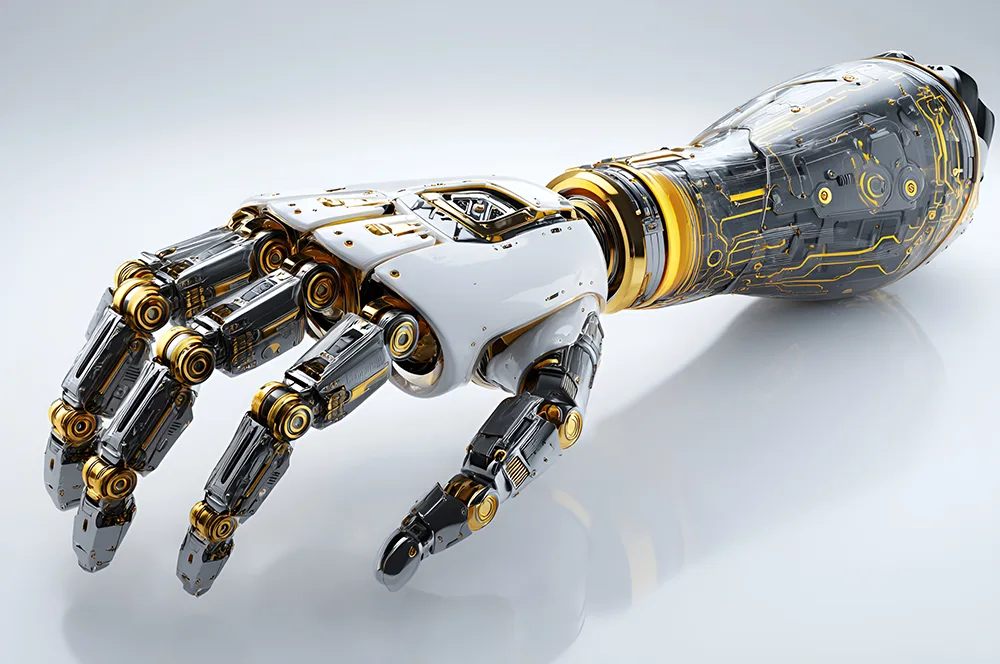
In the rapidly advancing field of robotics, humanoid robot parts form the essential building blocks that enable machines to mimic human form and function. These components range from complex actuators and sensors to sophisticated control units and structural frames. For engineers, researchers, and developers, selecting the right parts is critical to achieving desired performance in mobility, manipulation, perception, and interaction. High-quality parts ensure reliability, precision, and longevity in demanding applications, from research labs and industrial automation to service and companionship roles.
Deaote's Core Humanoid Robot Components
Deaote specializes in manufacturing premium-grade components designed for the next generation of humanoid robots. Our product line is engineered for high performance, durability, and seamless integration.
The "muscles" of a humanoid robot, our actuators provide precise and powerful movement.
- High-Torque Servo Motors: Offer precise angular control with minimal backlash, essential for finger, wrist, and neck joints.
- Linear Actuators: Provide smooth, forceful linear motion for knee extension, elbow movement, or torso adjustment.
- Geared Motor Units: Integrate high-efficiency DC motors with planetary gearboxes for robust power in hip and shoulder joints.
| Model | Type | Rated Torque/Force | Operating Voltage | Feedback Sensor | Primary Application |
|---|---|---|---|---|---|
| DT-SV45H | Digital Servo | 45 kg-cm | 6.0V - 8.4V | Potentiometer | Wrist, Ankle |
| DT-LA210 | Linear Actuator | 210 N | 12V DC | Hall Effect | Knee, Elbow |
| DT-GM78P | Geared Motor Unit | 15 Nm | 24V DC | Quadrature Encoder | Hip, Shoulder |
The skeleton and connective tissue that provide form and durability.
- Carbon Fiber Limb Segments: Lightweight yet extremely rigid frames for arms and legs.
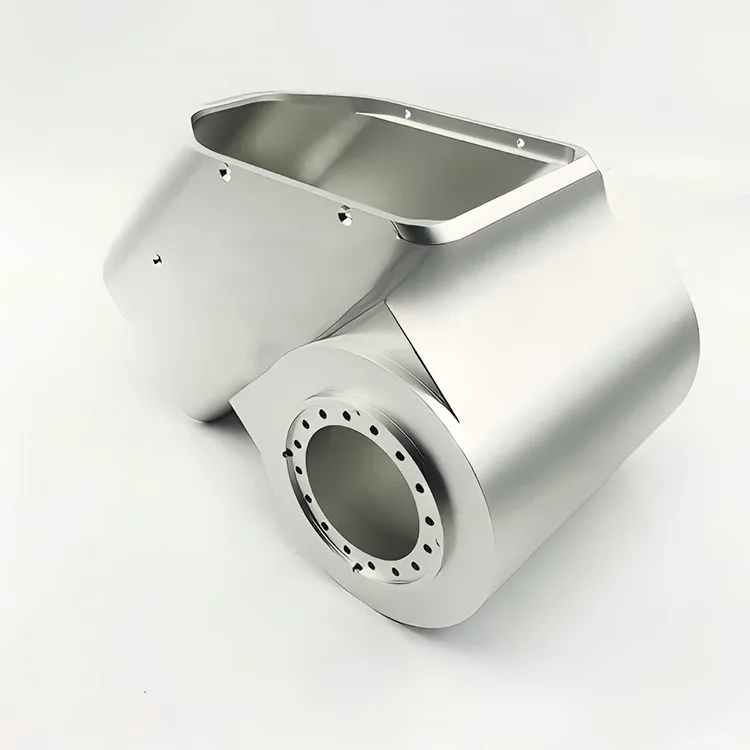
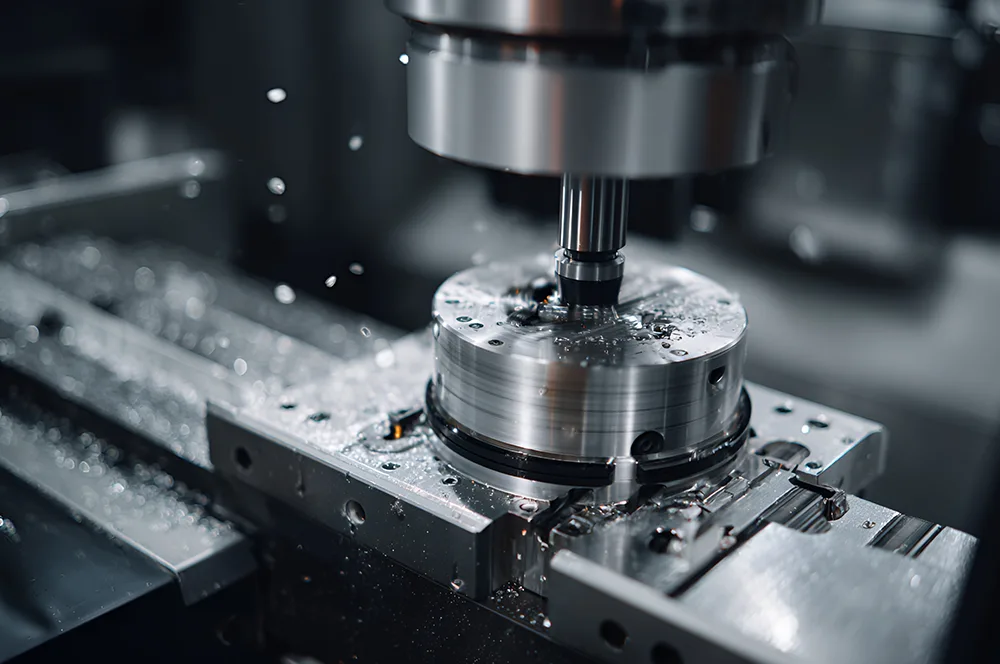
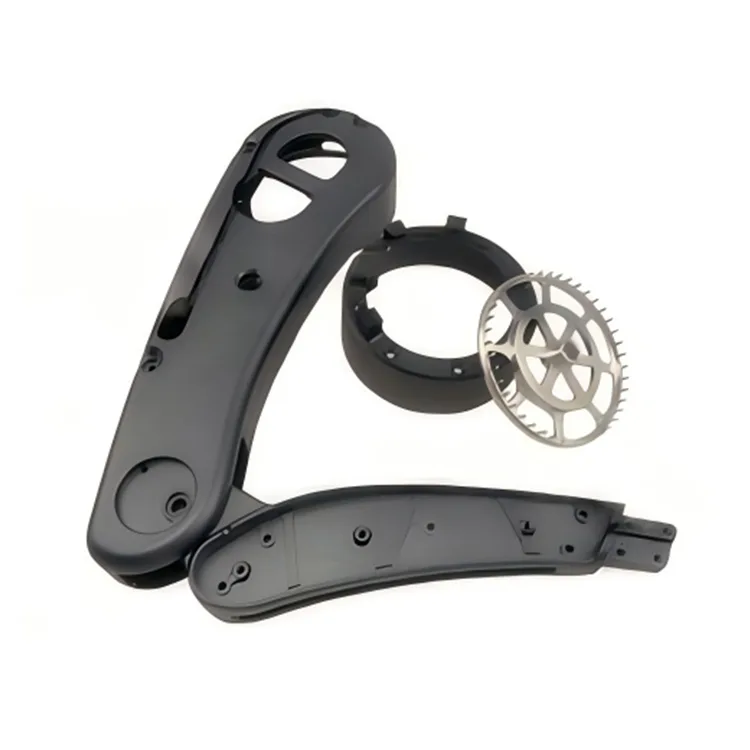
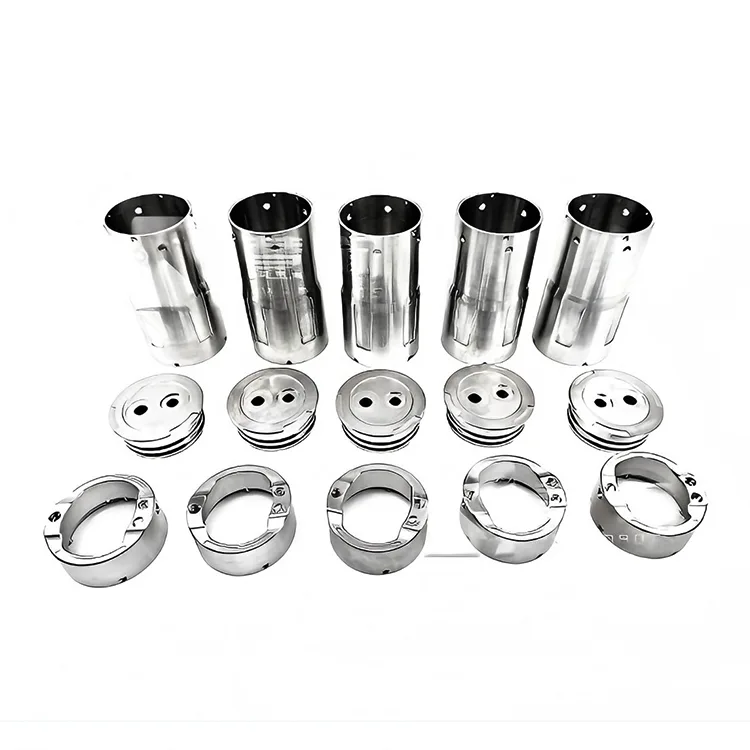
- Aluminum Alloy Joint Housings: Precision-machined enclosures that protect internal gearing and bearings.
- Custom Connectors & Harnesses: Robust cables and connectors designed for repeated flexing and high data integrity.
Frequently Asked Questions (FAQ) About Humanoid Robot Parts
What are the most critical humanoid robot parts for achieving stable walking?
Stable walking, or bipedal locomotion, relies on a tightly integrated system. The most critical parts are: High-performance actuators in the hips, knees, and ankles that provide precise torque and rapid response; Force-Torque Sensors in the feet to measure ground reaction forces and Center of Pressure (CoP); an advanced IMU to track the body's orientation and angular velocity in real-time; and a main control board with sufficient processing power to run complex balance and gait algorithms at high frequencies (often 1kHz or more). Deaote's DT-FTS150 sensors and DT-IMU9, paired with our low-latency DT-CB-X4 controller, are specifically designed for this challenge.
How do I choose between different types of actuators (servo, linear, harmonic drive) for my joints?
The choice depends on the joint's required range of motion, speed, torque, precision, and space constraints. Rotary Servo Motors are ideal for joints requiring continuous rotation or large angular movement (shoulders, wrists). Linear Actuators are best for joints that primarily move in a push-pull fashion, often providing higher force in a compact length (knee extension). Harmonic Drive or Planetary Gear Motors offer very high torque density and low backlash for joints requiring both strength and precision (hip rotation, elbow). Consider the load, desired speed, and positioning accuracy for each specific degree of freedom in your design.
What communication protocols are standard for connecting sensors and actuators in a humanoid robot?
Modern humanoid robots use a mix of protocols to balance speed, reliability, and wiring complexity. CAN Bus (Controller Area Network) is extremely popular for connecting actuators and motor drivers due to its robustness, real-time capability, and multi-master design. Ethernet-based protocols like EtherCAT or PROFINET are used for high-speed, synchronized communication with arrays of sensors (e.g., force-torque, vision systems). For lower-speed sensor data (temperature, basic IMU), I2C and SPI are common. Deaote designs its components to support these industry standards, with many parts offering multiple interface options for flexibility.
- View as
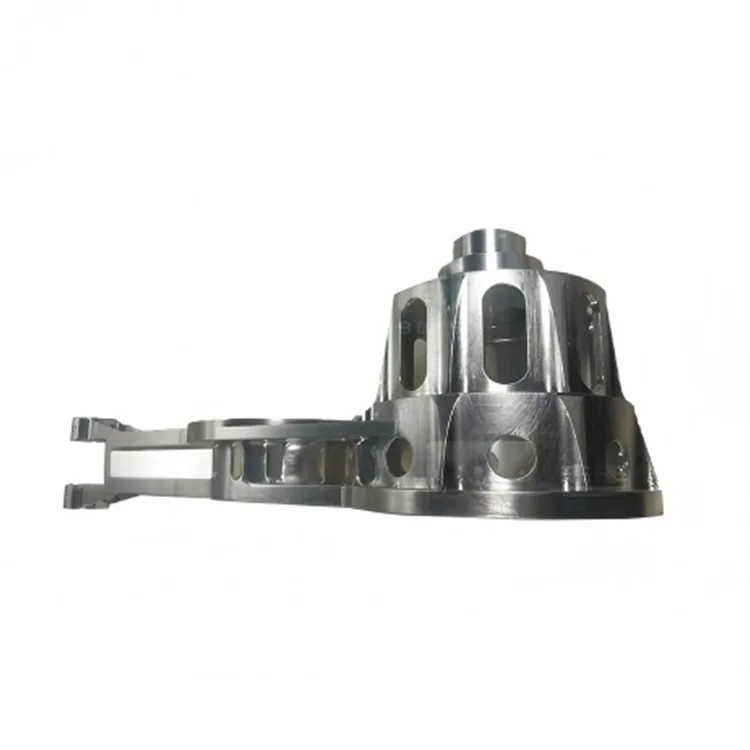
Humanoid Robot Hip Joint Parts
Suzhou Deaote Precision Mould Co., Ltd., located in Wuzhong District of Suzhou City, Jiangsu Province, is a leading manufacturer of Humanoid robot hip joint parts. Our components enable stable 360° articulation and weight-bearing movement (up to 150kg load capacity) while maintaining exceptional impact resistance and positional accuracy across all types of humanoid robotic systems.
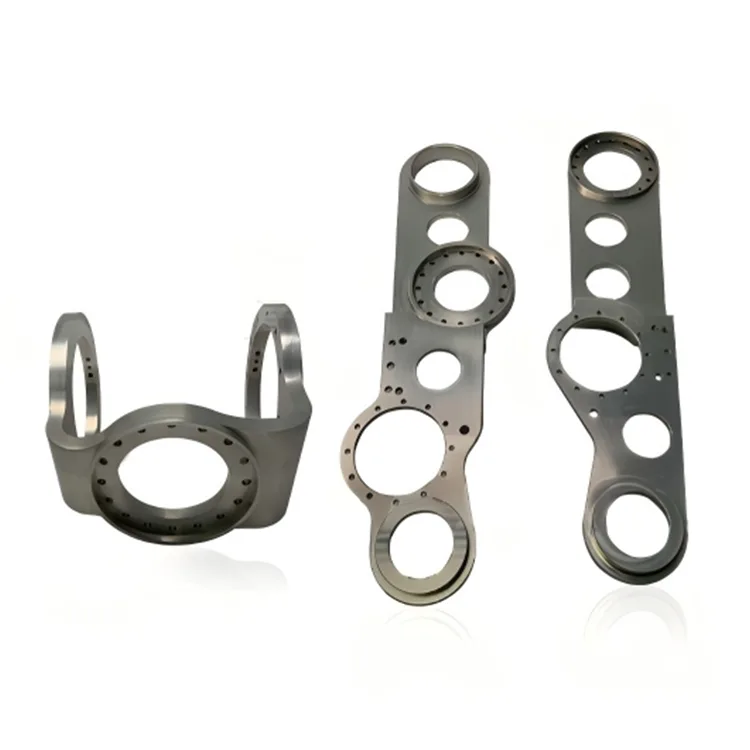
Humanoid Lower Limb Components
Suzhou Deaote Precision Mould Co., Ltd., located in Wuzhong District of Suzhou City, Jiangsu Province, is a leading manufacturer of high-precision CNC machined lower limb components for Humanoid lower limb components. As the critical structural foundation of humanoid robot legs, knees, ankles, and hip joints, our components enable stable weight-bearing movement (up to 150kg load capacity) while maintaining exceptional impact resistance and positional accuracy across all types of humanoid robotic lower limb systems.
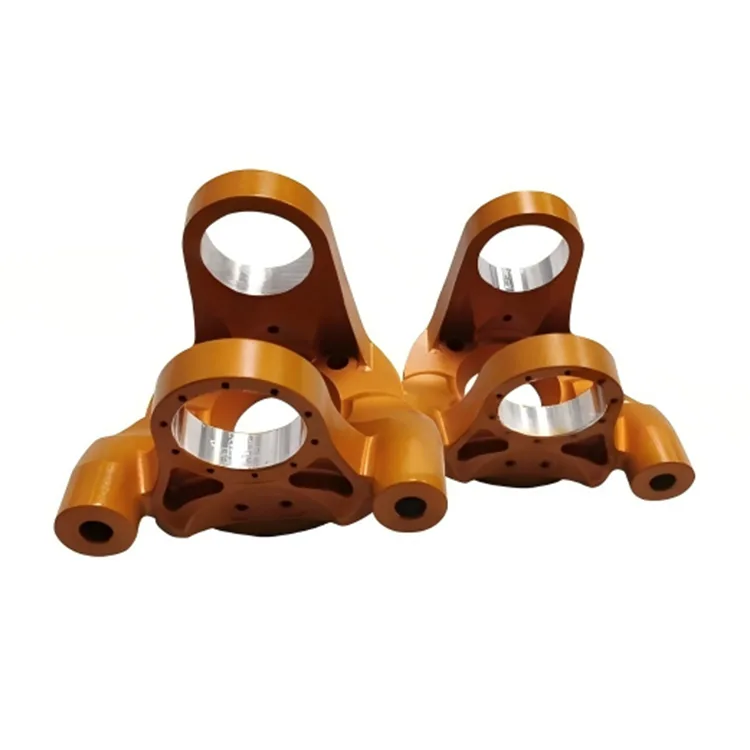
Humanoid Upper Limb Joint U-Shaped Frame
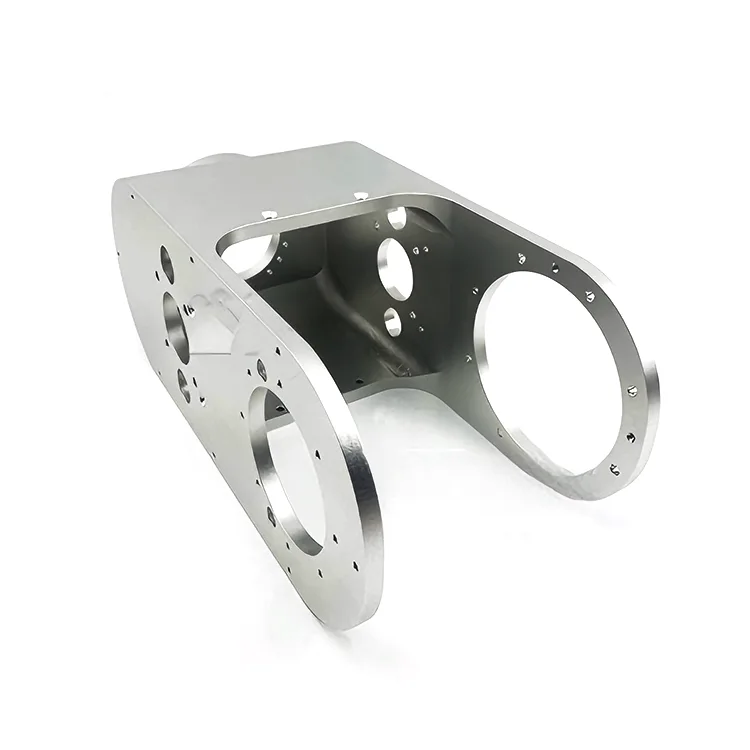
Suzhou Deaote Precision Mould Co., Ltd., located in Wuzhong District of Suzhou City, Jiangsu Province, is a leading manufacturer of Humanoid Upper Limb Joint U-Shaped Frame As the critical structural core of humanoid robot arm, shoulder, and elbow joints, our U-frame components enable smooth 360° rotational movement while maintaining exceptional torque resistance and positional accuracy across all types of humanoid robotic upper limb systems.
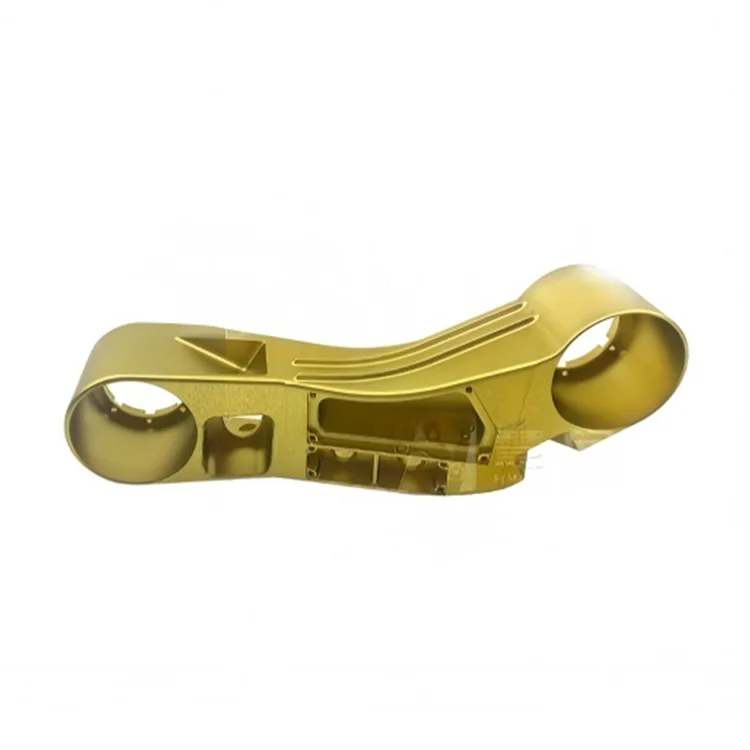
Humanoid Robot Leg Support Components
Suzhou Deaote Precision Mould Co., Ltd., located in Wuzhong District of Suzhou City, is a premier supplier of Humanoid robot leg support components. These components serve as the foundational structural elements of humanoid robot lower limbs, responsible for load distribution, joint stabilization, and dynamic movement control across all types of humanoid robotic systems.
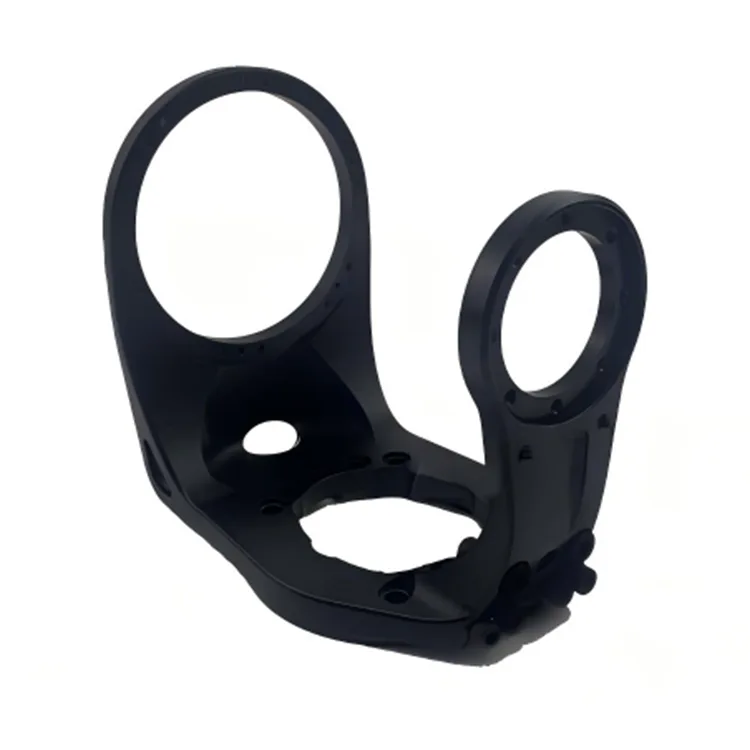
Humanoid Robot Leg U-shaped Frame
Suzhou Deaote is a leading manufacturer of Humanoid robot leg U-shaped frame, engineered to serve as the critical load-bearing and articulation core of humanoid robot lower limb systems. Our U-frames are specifically designed to mimic human leg biomechanics, balancing extreme structural strength with lightweight performance for natural, stable movement.
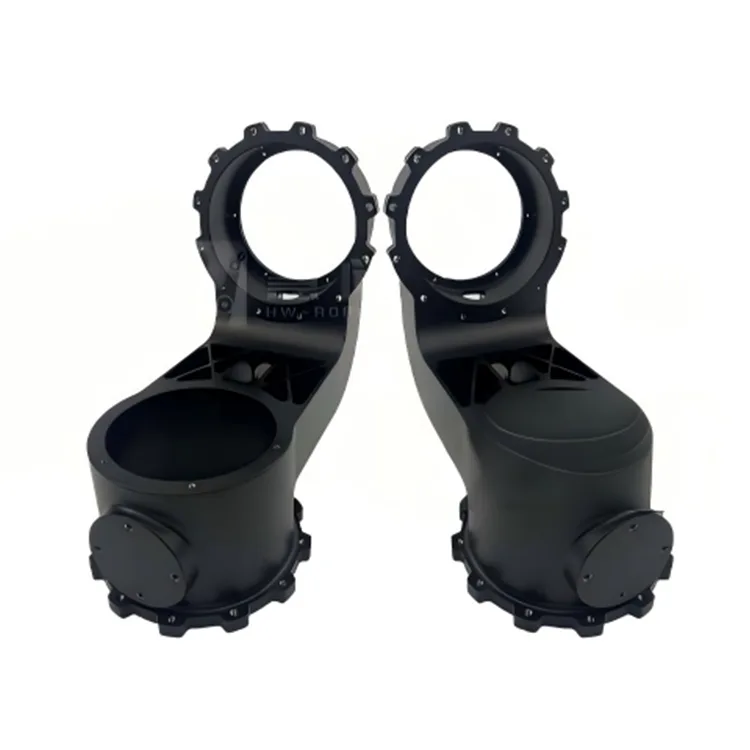
Special-purpose Robot Joint Casing
As a professional China manufacturer and supplier, Suzhou Deaote specializes in producing high-quality Special-purpose robot joint casing with stable performance and strict quality control. Our factory is equipped with advanced production lines and an experienced technical team, ensuring every product meets international standards and buyer requirements.
Discover the latest selling Humanoid Robot Parts from Deaote. Our new design focuses on high efficiency, energy saving, and long-lasting durability for modern automation systems.Request our factory online to purchase the best products now!