
How Do Dexterous Hand Parts Enhance Robotic Precision?
Article Summary
Dexterous hand parts are essential components in robotics, prosthetics, and precision machinery. This article explores the design, functionality, and advantages of dexterous hand parts, highlighting how they solve common industry challenges. By the end, readers will understand their applications, materials, and the technological innovations driving their development.
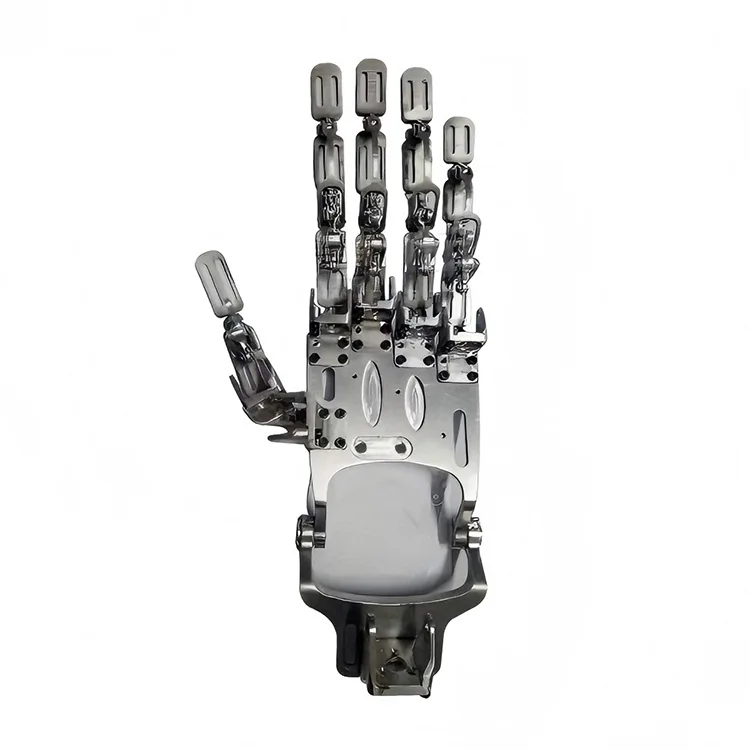
Table of Contents
- Introduction to Dexterous Hand Parts
- Key Design Components
- Material Selection and Durability
- Precision and Performance
- Applications Across Industries
- Maintenance and Longevity Tips
- Frequently Asked Questions
- Conclusion & Contact
Introduction to Dexterous Hand Parts
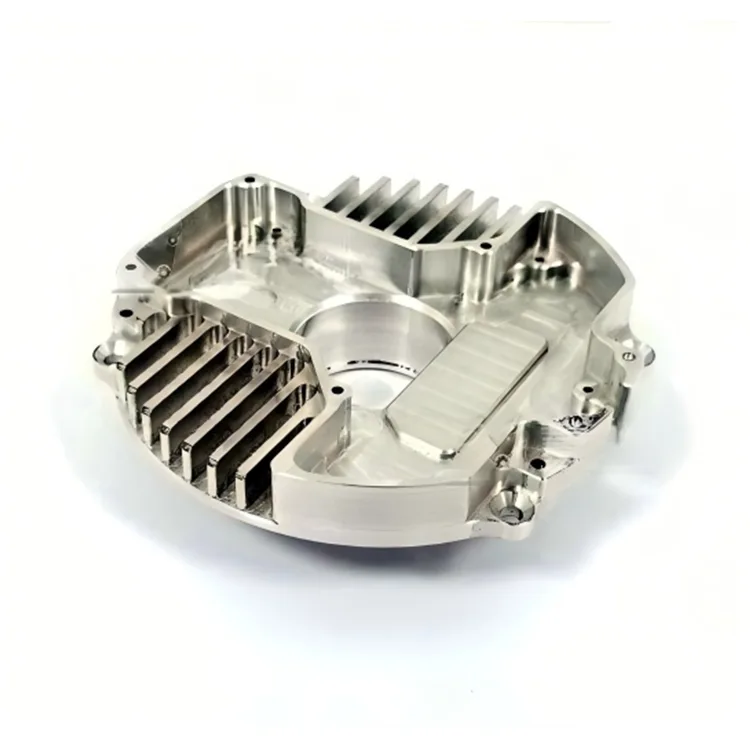
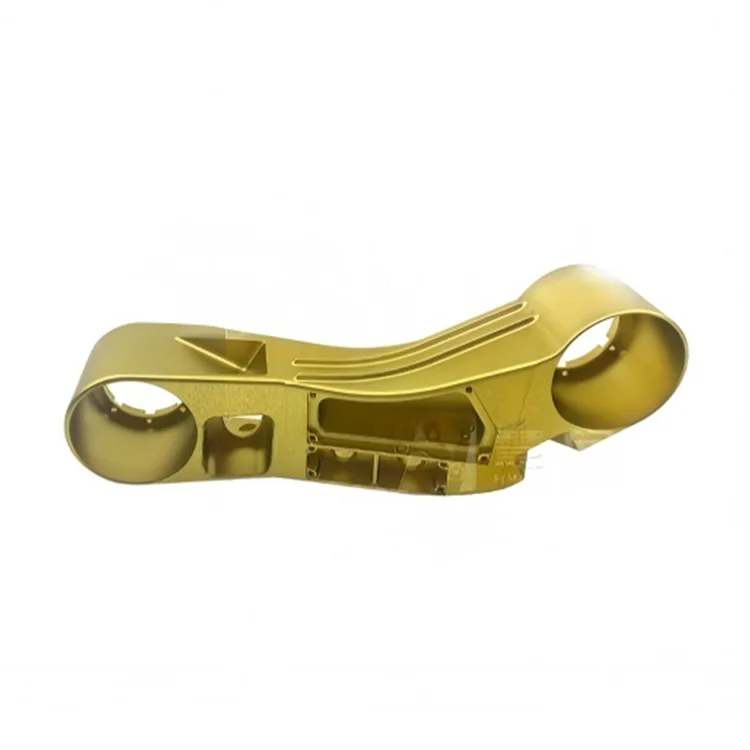
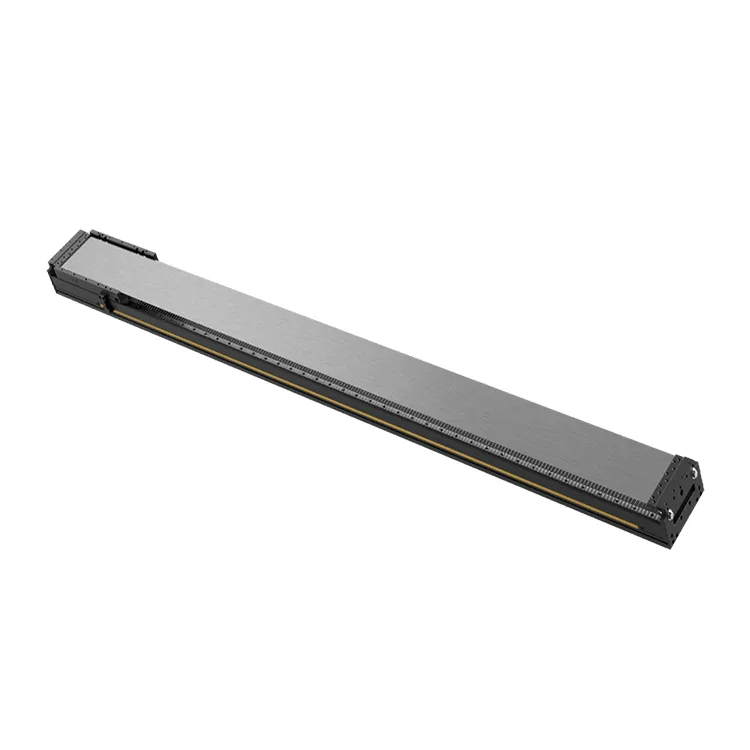
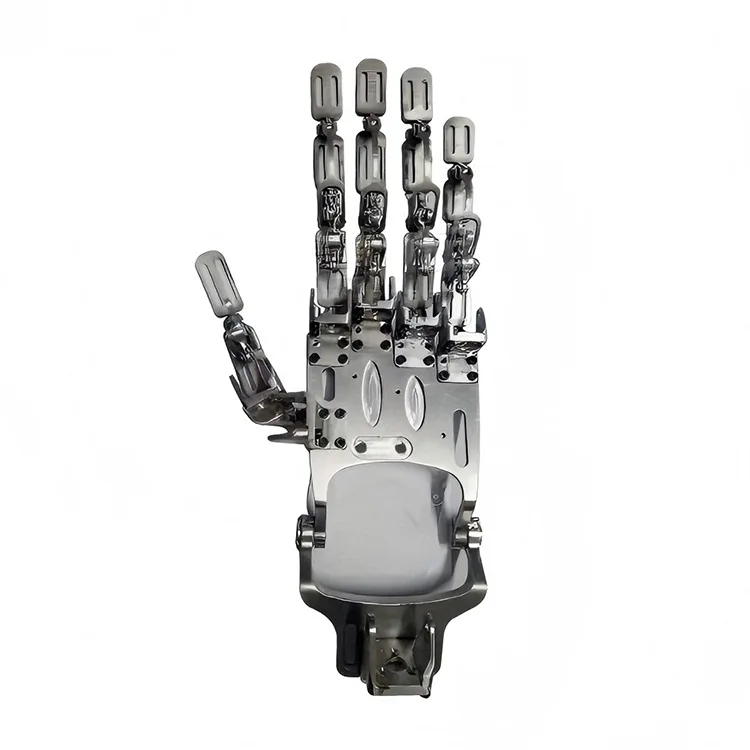
Dexterous hand parts are designed to replicate human-like movement and adaptability. They are used in robotics, prosthetic devices, and automated machinery to perform complex tasks that require precision and agility. Suzhou Deaote Precision Mould Co., Ltd. specializes in high-quality dexterous hand parts, offering solutions that combine durability, flexibility, and fine motion control.
Modern industries demand components capable of performing intricate tasks efficiently. Dexterous hand parts meet this need by providing manipulators that can grasp, twist, and handle objects of varying sizes and fragility.
Key Design Components
A dexterous hand is composed of several critical components. Understanding these parts is essential for selecting the right solution for your application.
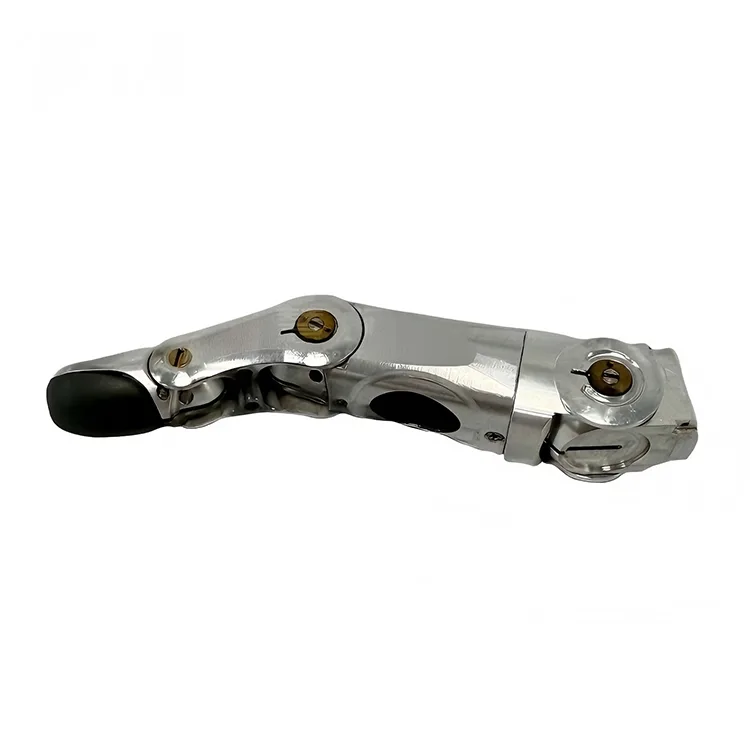
- Fingers and Phalanges: Each finger segment allows bending and rotation similar to a human hand.
- Joints and Actuators: Precision joints controlled by actuators ensure smooth motion and accurate positioning.
- Palms and Grip Surfaces: The palm structure and material provide friction and stability for secure object handling.
- Sensors: Tactile, pressure, and motion sensors enable feedback control and responsive actions.
| Component | Function | Importance |
|---|---|---|
| Fingers | Object manipulation | High |
| Joints | Movement and rotation | High |
| Sensors | Feedback and control | Critical |
| Grip Surfaces | Stability and friction | Medium |
Material Selection and Durability
Choosing the right material is essential for performance and longevity. Key considerations include strength, flexibility, wear resistance, and weight.
- Metal Alloys: Provide structural strength but can increase weight.
- Engineering Plastics: Lightweight, durable, and often used for finger segments.
- Silicone & Rubber: Used for grip surfaces to enhance friction and tactile sensitivity.
- Composite Materials: Combine properties for optimal performance in robotic hands.
Proper material selection directly affects the dexterous hand’s operational lifespan and adaptability to different environments.
Precision and Performance
The core advantage of dexterous hand parts lies in precision. High-performance actuators and sensors allow:
- Fine motor control for delicate tasks
- Consistent repeatability in repetitive operations
- Integration with robotic AI systems for adaptive learning
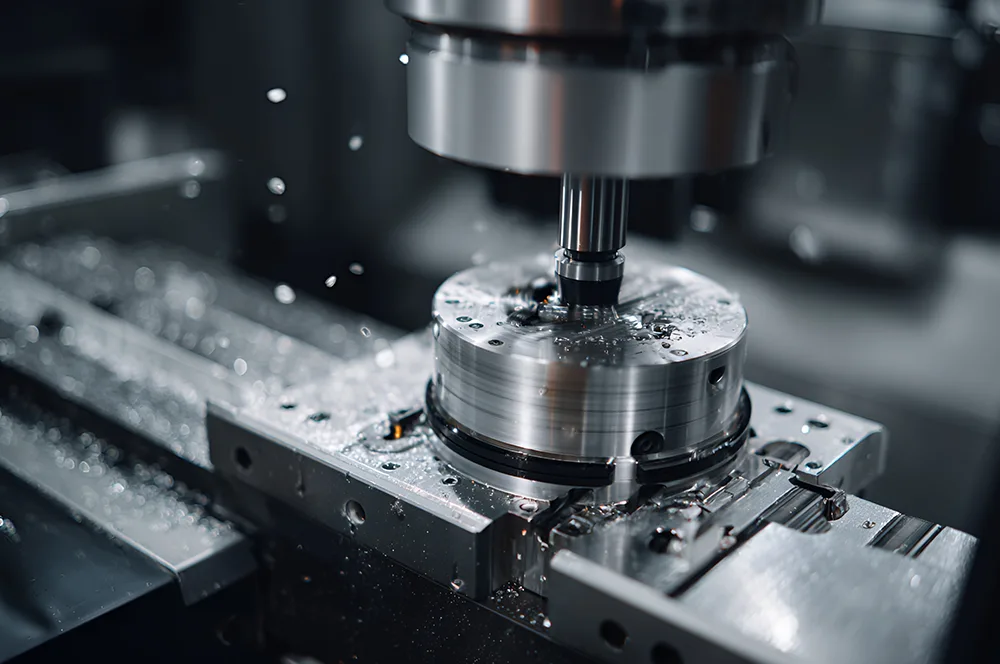
Suzhou Deaote Precision Mould Co., Ltd. incorporates advanced CNC machining and quality control to ensure every component meets exacting tolerances.
Applications Across Industries
Dexterous hand parts have wide-ranging applications:
- Robotics: For assembly lines, medical robotics, and service robots.
- Prosthetics: Enhancing mobility and functionality for amputees.
- Precision Manufacturing: Handling small, delicate components in electronics or watchmaking.
- Research & Development: Used in laboratories for precise manipulation of experimental setups.
By integrating these parts, companies can achieve higher efficiency, reduced error rates, and safer operations.
Maintenance and Longevity Tips
Ensuring long-term performance requires proper maintenance:
- Regular lubrication of joints and moving parts
- Periodic inspection of sensors and actuators
- Replacement of worn grip surfaces
- Calibration of feedback systems to maintain accuracy
Consistent care extends operational life and ensures optimal performance under demanding conditions.
Frequently Asked Questions
- What industries benefit most from dexterous hand parts?
- Robotics, prosthetics, precision manufacturing, and research labs.
- How do materials affect performance?
- Material choice impacts durability, flexibility, and tactile sensitivity.
- Can these parts be customized?
- Yes, companies like Suzhou Deaote Precision Mould Co., Ltd. offer tailor-made solutions.
- How often should maintenance be performed?
- Maintenance schedules vary by usage, but regular inspection every few months is recommended.
Conclusion & Contact
Dexterous hand parts are revolutionizing the way machines interact with their environment, providing precision, adaptability, and efficiency. By selecting high-quality components and following maintenance best practices, organizations can maximize productivity and reliability. Suzhou Deaote Precision Mould Co., Ltd. continues to lead the industry with innovative solutions in dexterous hand parts. For more details and personalized support, contact us today.
Related News
- How Does Household Motor Iron Core Mold Improve Motor Manufacturing?
- How Are Medical Device Components Shaping the Future of Healthcare Manufacturing?
- How Does Robot Parts Processing Improve Modern Manufacturing?
- How Marine Equipment Parts Enhance Your Vessel’s Performance?
- How Do Robotic Arm Joint Parts Improve Precision and Performance in Automation?
- How Do Humanoid Robot Parts Work?
Leave me a message