China High-performance Marine Equipment Parts Supplier
Essential Marine Equipment Parts for Optimal Vessel Performance
Maintaining a vessel in peak operating condition requires access to high-quality, reliable marine equipment parts. At Deaote, we understand the critical role that each component plays in the safety, efficiency, and longevity of your marine operations. From commercial shipping and fishing fleets to luxury yachts and workboats, the right parts are non-negotiable. This guide provides a detailed overview of the key categories of marine parts we specialize in, along with technical specifications and expert insights to help you make informed decisions for your vessel's maintenance and upgrade needs.
Core Categories of Marine Equipment Parts
The marine environment is one of the harshest on Earth, demanding parts engineered for corrosion resistance, durability, and unwavering reliability. Our product range at Deaote is meticulously curated to meet these stringent demands.
1. Propulsion System Parts
The heart of any vessel, the propulsion system requires precision parts to ensure optimal thrust, fuel efficiency, and maneuverability.
- Propellers: Available in various materials (NiBrAl, Manganese Bronze, Stainless Steel) and designs (fixed pitch, controllable pitch) to match hull type and engine power.
- Shafts & Couplings: Precision-machined propeller shafts, stern tubes, and flexible couplings to transmit engine power smoothly and absorb misalignment.
- Rudders & Steering Gear: Robust rudder stocks, bearings, and hydraulic steering components for precise directional control.
2. Engine & Auxiliary System Parts
Reliable power generation and auxiliary functions are vital for all onboard systems.
- Fuel System Components: Filters, pumps, injectors, and separators designed for marine diesel and gasoline.
- Cooling System Parts: Heat exchangers, impellers, thermostats, and pumps for fresh water and raw water cooling circuits.
- Electrical & Starting Components: Alternators, starters, switches, and marine-grade wiring harnesses.
3. Deck & Hull Hardware
These parts ensure structural integrity, safety, and operational functionality on deck.
- Winches & Windlasses: For anchoring, mooring, and cargo handling, available in hydraulic, electric, and manual models.
- Cleats, Chocks, and Fairleads: Fabricated from high-strength aluminum, stainless steel, or forged bronze for line management.
- Seals & Bearings: Stern tube seals, rudder bearings, and through-hull fittings to prevent water ingress.
Frequently Asked Questions (FAQ) About Marine Equipment Parts
Q: How do I choose the right propeller for my boat?
A: Selecting the correct propeller involves several key factors: your engine's horsepower and recommended wide-open throttle (WOT) RPM range, boat type and weight (displacement), hull design, and typical load. The goal is a propeller that allows your engine to reach its manufacturer's specified WOT RPM when fully loaded. A propeller that is too large in diameter or pitch will overload the engine, while one that is too small will allow the engine to over-rev. Consulting your engine manual and a Deaote technical specialist is highly recommended for optimal performance and engine longevity.
Q: Why is it important to use marine-grade electrical parts instead of automotive parts?
A: Marine environments expose electrical systems to constant moisture, salt spray, and vibration. Marine-grade electrical components are specifically designed to withstand these conditions. They feature superior corrosion-resistant materials (e.g., tinned copper wiring), sealed connectors, ignition protection (to prevent sparks in engine compartments), and are built to relevant marine standards (ABYC, ISO, etc.). Using automotive parts can lead to rapid corrosion, electrical failure, and poses a significant fire or safety hazard on a vessel.
Q: What are the signs of a failing stern tube or shaft seal?
A: Key indicators include an unusual increase in bilge water (specifically near the stern gland), visible dripping or a steady stream of water from the seal area while the shaft is rotating, excessive vibration, or the presence of grease in the bilge from lip-style seals. For dripless seals, failure may be sudden. Regular visual inspections are crucial. Addressing a failing seal immediately is critical to prevent significant water ingress, which can lead to sinking or severe damage to the shaft and bearings.
- View as
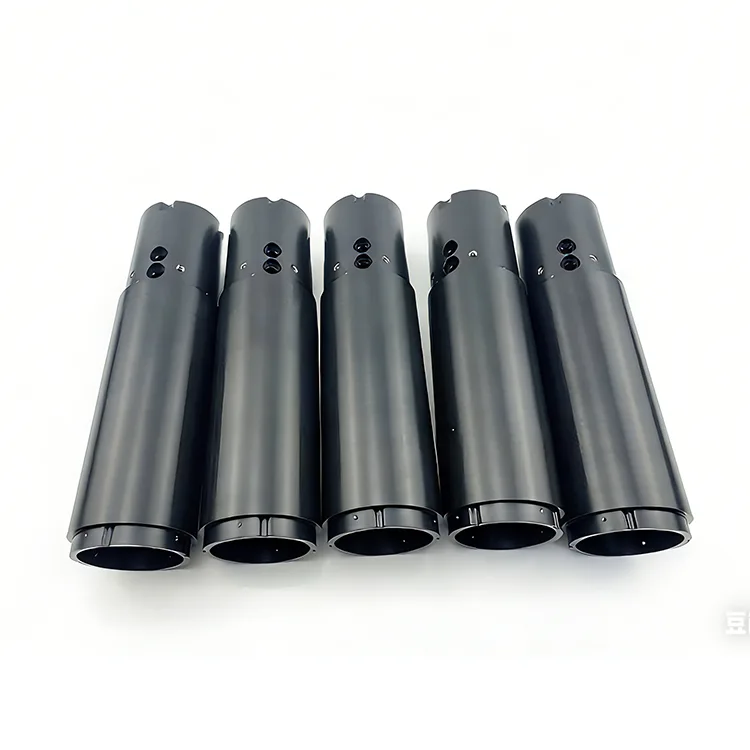
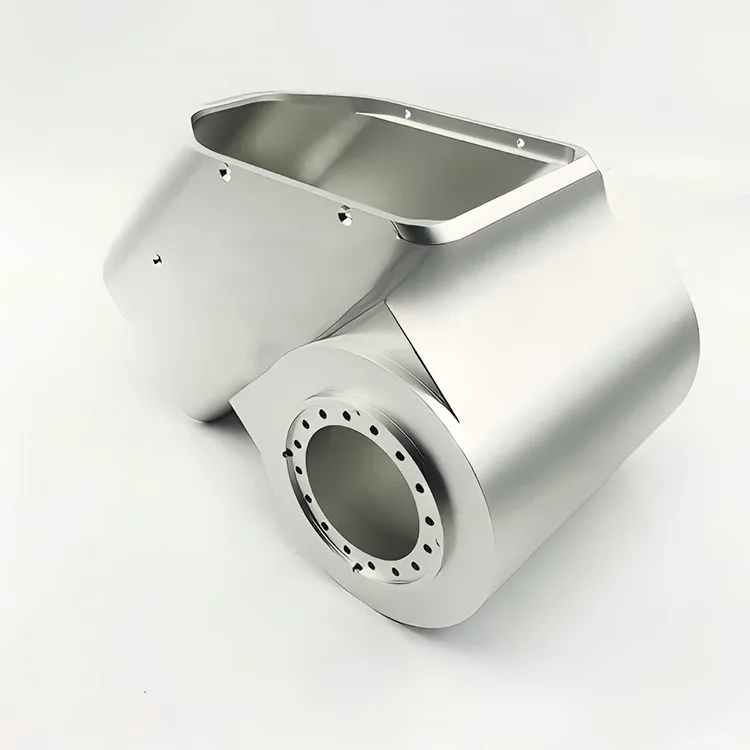
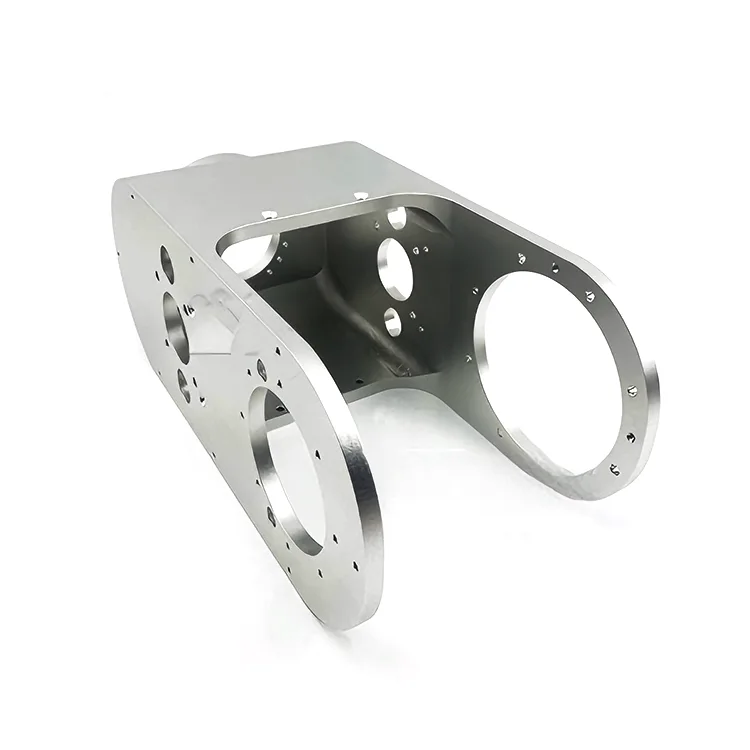
Sonar Detection Equipment Housing
As a reliable Sonar Detection Equipment Housing manufacturer, Deaote offers a stable supply and can tailor details to your equipment's specifications. For pricing details, please contact us directly. We provide customized machining solutions for underwater sonar transducers, marine survey sonar enclosures, military sonar systems, and underwater acoustic detection equipment housings.
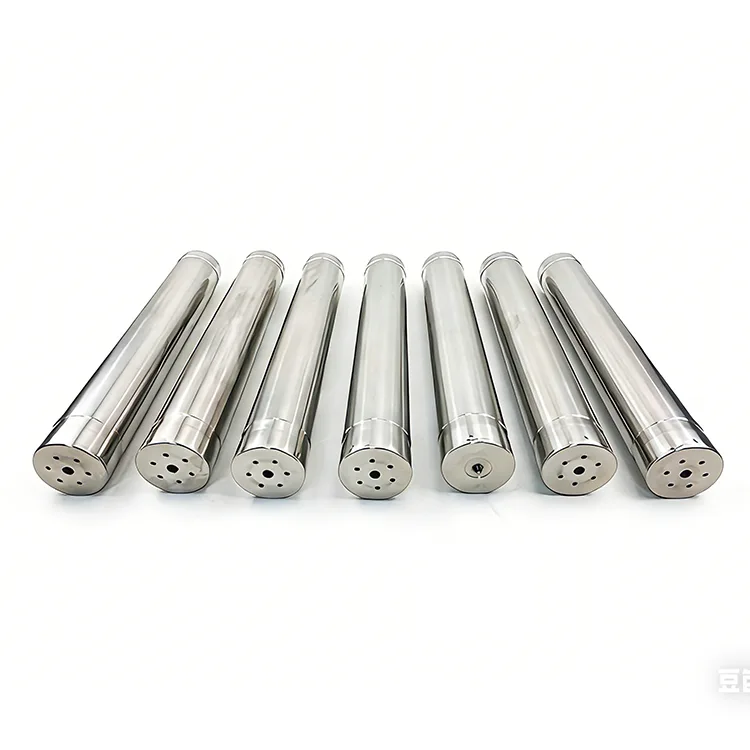
Marine Communication Device Bulk Components
Suzhou Deaote Precision Mould Co., Ltd., is a professional leader in China in Marine Communication Device Bulk Components manufacturing with high quality and reasonable prices. Welcome to contact us. We provide one-stop batch machining solutions for marine radio transceivers, underwater communication systems, ship-borne communication equipment, and offshore platform communication devices.
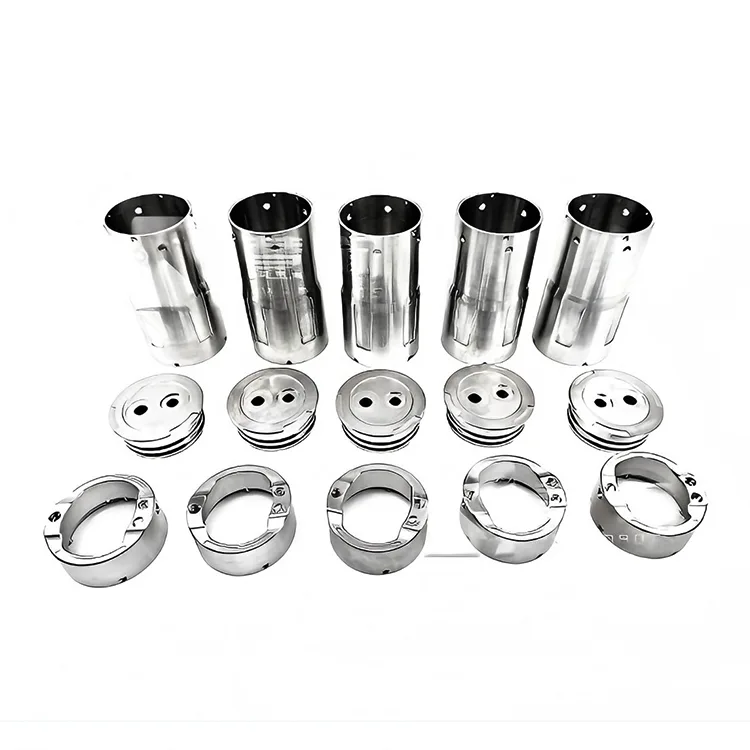
Battery Compartment Assembly
Suzhou Deaote Precision Mould Co., Ltd., located in Wuzhong District, Suzhou City, Jiangsu Province, China, is a leading manufacturer specializing in high-precision CNC machining of Battery Compartment Assembly. We provide customized machining solutions for battery housings, battery holders, contact plates, and sealing gaskets for consumer electronics, industrial equipment, automotive EV systems, and aerospace battery packs.
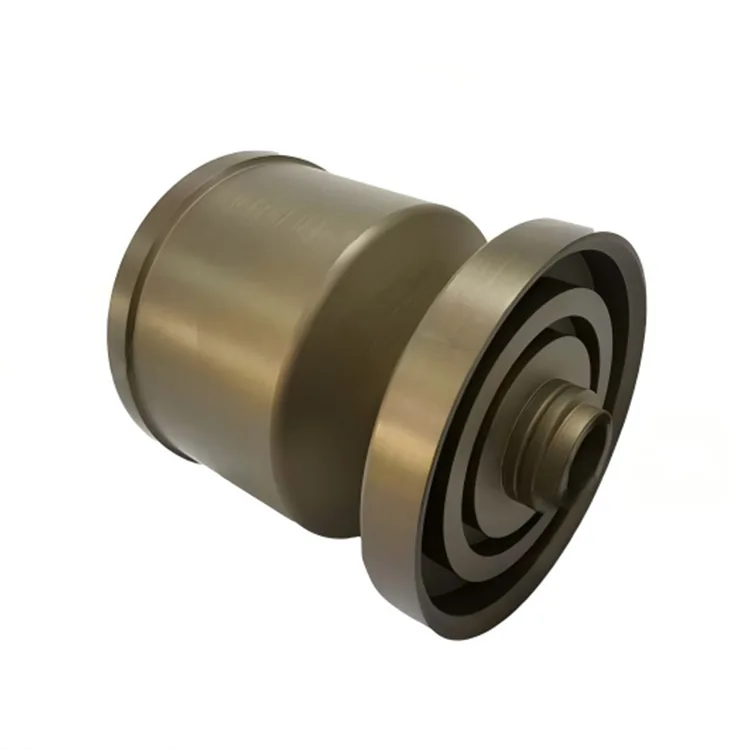
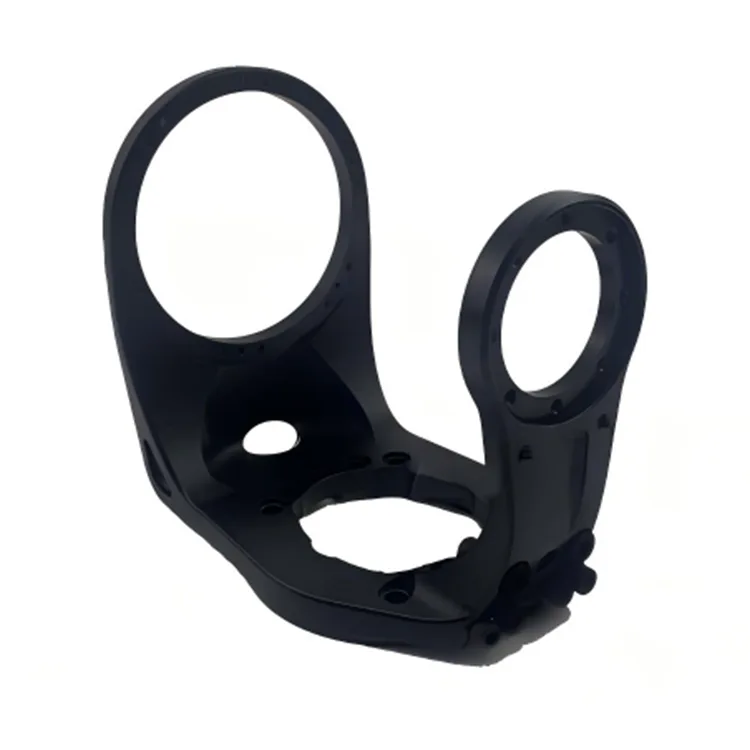
Acoustic Communication Cabin
As a veteran manufacturer and supplier in China, Acoustic Communication Cabin is expertly manufactured in Deaote factory at an affordable price. We provide customized machining solutions for acoustic enclosures of communication base stations, audio communication equipment, marine communication cabins, and aerospace communication systems.
Discover the latest selling Marine Equipment Parts from Deaote. Our new design focuses on high efficiency, energy saving, and long-lasting durability for modern automation systems.Request our factory online to purchase the best products now!