
How Marine Equipment Parts Enhance Your Vessel’s Performance?
Summary: Marine equipment parts play a crucial role in ensuring the efficiency, safety, and longevity of your vessel. From propulsion systems to navigation components, understanding their functions, maintenance requirements, and selection criteria can save costs and prevent operational failures. This article dives into the essentials of marine equipment parts, offering practical insights for shipowners, operators, and maritime engineers.
Table of Contents
- What Are Marine Equipment Parts?
- Why Quality Matters in Marine Equipment?
- How to Choose the Right Marine Equipment Parts
- Common Types and Functions
- Maintenance Tips for Longevity
- FAQ
What Are Marine Equipment Parts?
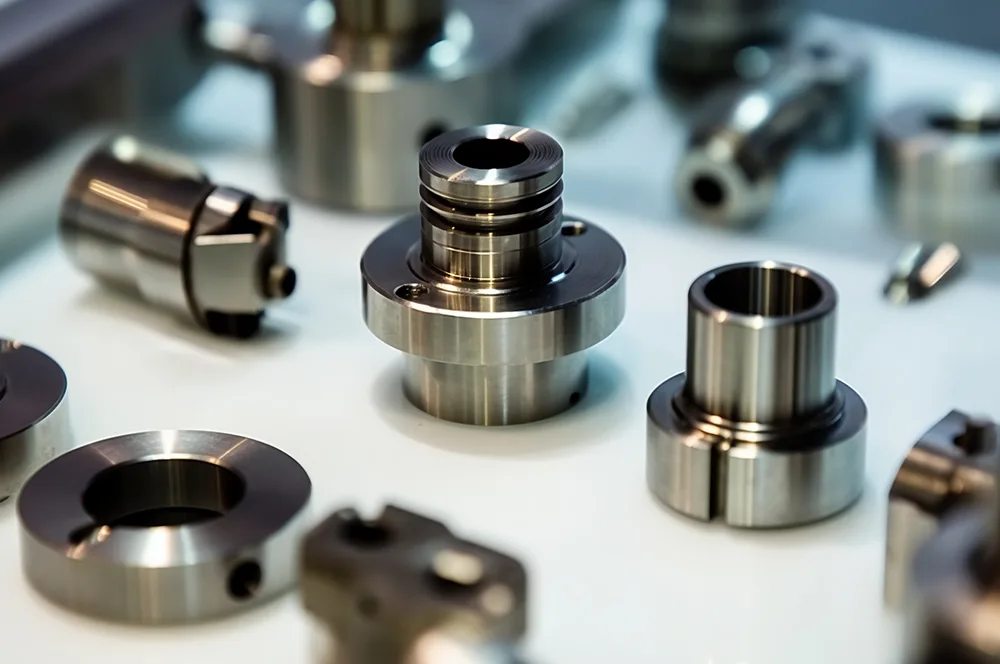
Marine equipment parts are specialized components used in ships, boats, and other maritime vessels to ensure smooth operation. They encompass a broad range of items, including:
- Propulsion parts (engines, shafts, propellers)
- Navigation and communication systems (radars, GPS, radios)
- Safety equipment (lifeboats, fire suppression systems, alarms)
- Deck machinery (winches, cranes, anchors)
- Electrical and hydraulic components
Each part is designed to withstand harsh marine environments, including saltwater corrosion, temperature fluctuations, and mechanical stress.
Why Quality Matters in Marine Equipment?
Using high-quality marine equipment parts is critical for several reasons:
- Safety: Reliable parts prevent accidents at sea, protecting crew and cargo.
- Performance: Efficient components improve fuel consumption and vessel speed.
- Durability: High-grade materials reduce wear and tear, extending operational life.
- Compliance: Meets international maritime safety and environmental regulations.
Investing in reputable suppliers like Deaote ensures that parts are certified and manufactured according to global standards, minimizing downtime and unexpected failures.
How to Choose the Right Marine Equipment Parts
Selecting the appropriate marine equipment parts requires a careful evaluation of your vessel’s needs, operational conditions, and budget constraints. Consider the following steps:
- Identify Requirements: Understand your vessel’s specifications and operating conditions.
- Check Compatibility: Ensure parts match existing systems and engines.
- Evaluate Material Quality: Look for corrosion-resistant alloys and certified components.
- Supplier Reputation: Choose suppliers with proven track records, such as Deaote.
- Cost vs. Longevity: Balance upfront costs with maintenance and replacement expenses.
Using this structured approach reduces the risk of operational interruptions and enhances overall vessel reliability.
Common Types and Functions
Marine equipment parts can be categorized based on their functions. Below is a simplified overview:
| Category | Parts Included | Main Function |
|---|---|---|
| Propulsion | Engines, Shafts, Propellers | Generate thrust to move the vessel |
| Navigation | Radars, GPS, Compasses | Provide accurate navigation and positioning |
| Safety | Life Rafts, Fire Extinguishers, Alarms | Ensure crew and cargo protection |
| Deck Machinery | Winches, Cranes, Anchors | Facilitate cargo handling and anchoring |
| Electrical & Hydraulic | Pumps, Switches, Valves | Support operational efficiency and automation |
Maintenance Tips for Longevity
Proper maintenance of marine equipment parts extends their service life and ensures safe operation. Consider these practices:
- Regularly inspect for corrosion, wear, and leaks.
- Lubricate moving parts according to manufacturer recommendations.
- Replace worn-out or damaged components immediately.
- Keep detailed maintenance logs for every part.
- Train crew members on proper handling and safety procedures.
Implementing preventive maintenance reduces emergency repairs and avoids costly downtime.
FAQ
Q1: How often should marine equipment parts be replaced?
A: Replacement frequency depends on part type, material, and operational intensity. Engines and propulsion systems may last several years with regular maintenance, while safety equipment should be inspected annually.
Q2: Can I use generic parts instead of brand-specific ones?
A: While some generic parts may be compatible, using certified parts from trusted suppliers like Deaote ensures reliability, compliance, and longer service life.
Q3: How can I prevent corrosion on marine parts?
A: Apply protective coatings, rinse parts with fresh water after saltwater exposure, and perform routine inspections to catch early signs of corrosion.
Q4: Do marine equipment parts require special storage?
A: Yes, store parts in dry, temperature-controlled environments and avoid prolonged exposure to humidity or direct sunlight.
Conclusion: Marine equipment parts are the backbone of vessel performance, safety, and longevity. Choosing high-quality, reliable components and maintaining them properly ensures smooth operations and reduces unexpected costs. Trust suppliers like Deaote for certified marine parts that meet your operational needs. Contact us today to explore our full range of marine equipment parts and keep your vessel running at its best.
Related News
- How Does Household Motor Iron Core Mold Improve Motor Manufacturing?
- How Are Medical Device Components Shaping the Future of Healthcare Manufacturing?
- How Does Robot Parts Processing Improve Modern Manufacturing?
- How Do Dexterous Hand Parts Enhance Robotic Precision?
- How Do Robotic Arm Joint Parts Improve Precision and Performance in Automation?
- How Do Humanoid Robot Parts Work?
Leave me a message