
How Do Robotic Arm Joint Parts Improve Precision and Performance in Automation?
Abstract
Robotic arm joint parts are the critical components that determine motion accuracy, load capacity, and operational lifespan in industrial automation systems. From precision bearings and harmonic drives to servo motors and housings, each element directly influences the performance of robotic arms used in manufacturing, assembly, and logistics. This article explores how robotic arm joint parts function, their structure, material selection, common customer challenges, and how to choose the right components for optimal results.
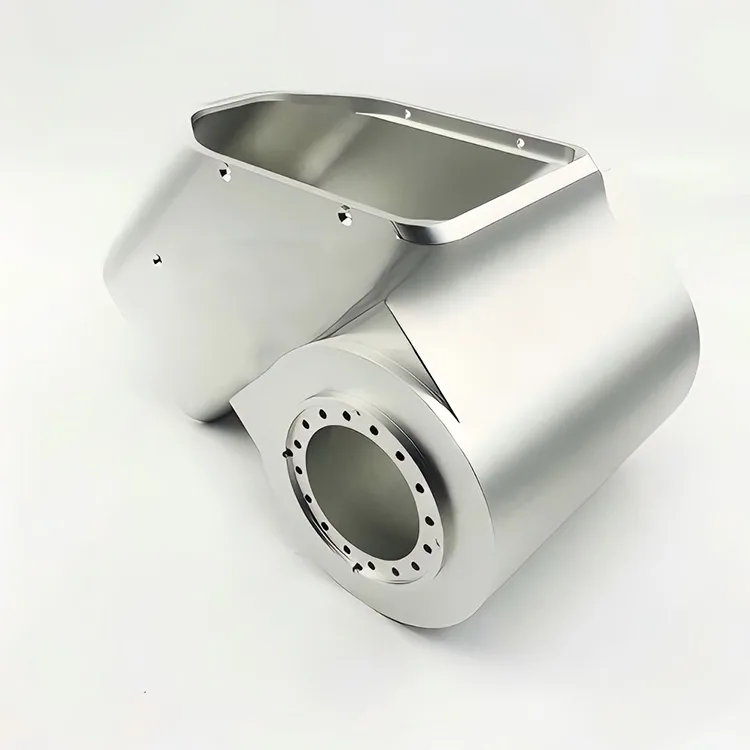
Table of Contents
- 1. Overview of Robotic Arm Joint Parts
- 2. Key Components and Structure
- 3. How Robotic Arm Joint Parts Work
- 4. Performance Benefits in Automation
- 5. Common Customer Pain Points
- 6. How to Choose the Right Joint Parts
- 7. Materials and Manufacturing Considerations
- 8. Comparison of Joint Part Types
- 9. Frequently Asked Questions
1. Overview of Robotic Arm Joint Parts
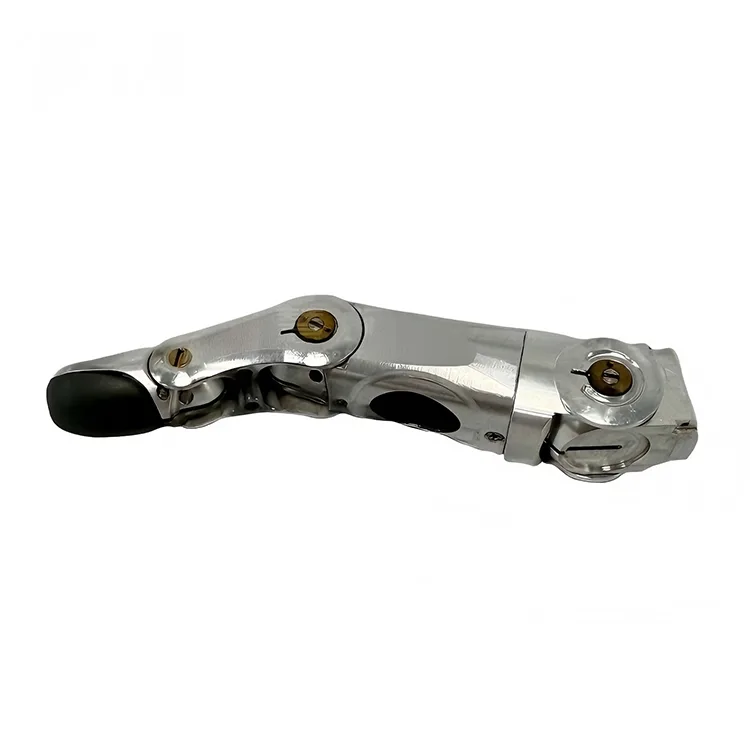
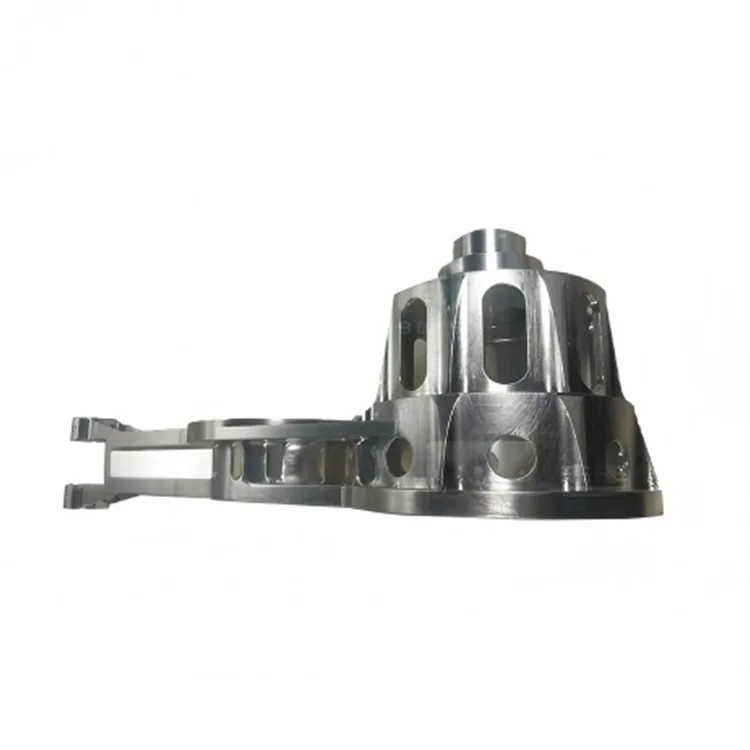
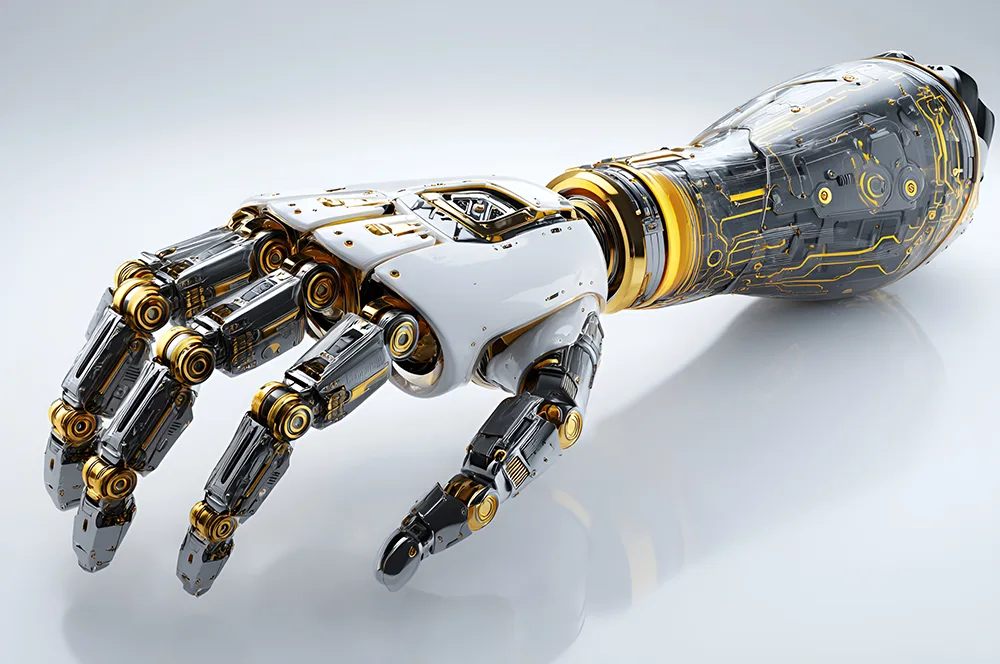
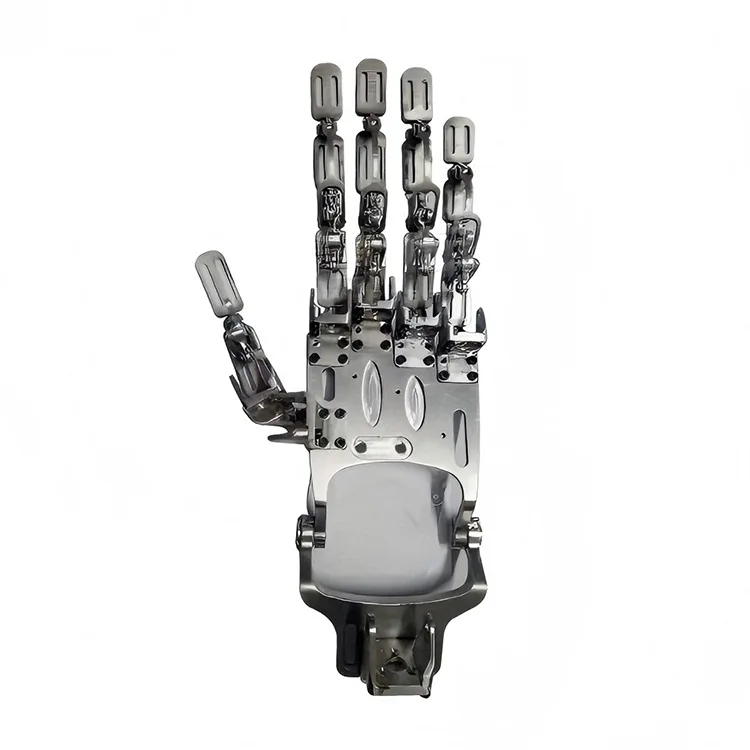
Robotic arm joint parts are the mechanical and electromechanical assemblies that enable movement between segments of a robotic arm. These joints simulate human arm articulation, allowing robots to rotate, lift, and position objects with high precision. In modern industrial robotics, joints are designed to handle complex motion paths while maintaining rigidity and repeatability.
Applications span across industries including automotive manufacturing, electronics assembly, medical devices, and logistics automation. The performance of these systems depends heavily on the design and quality of joint components.
2. Key Components and Structure
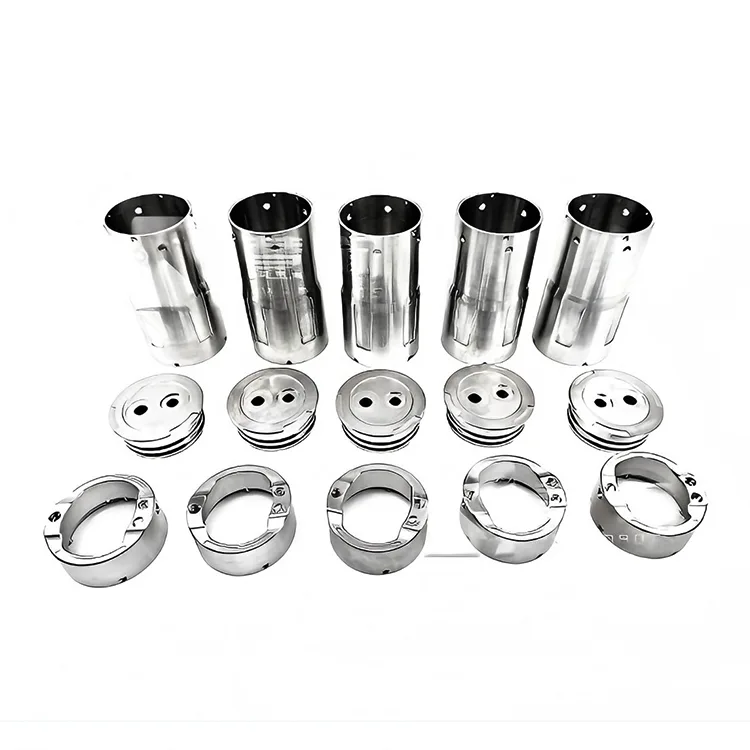
A robotic arm joint is composed of several integrated parts, each serving a distinct function:
- Servo Motor: Provides controlled rotational motion
- Harmonic Drive or Gearbox: Ensures torque transmission and speed reduction
- Bearings: Support rotational movement and reduce friction
- Encoder: Measures position and motion feedback
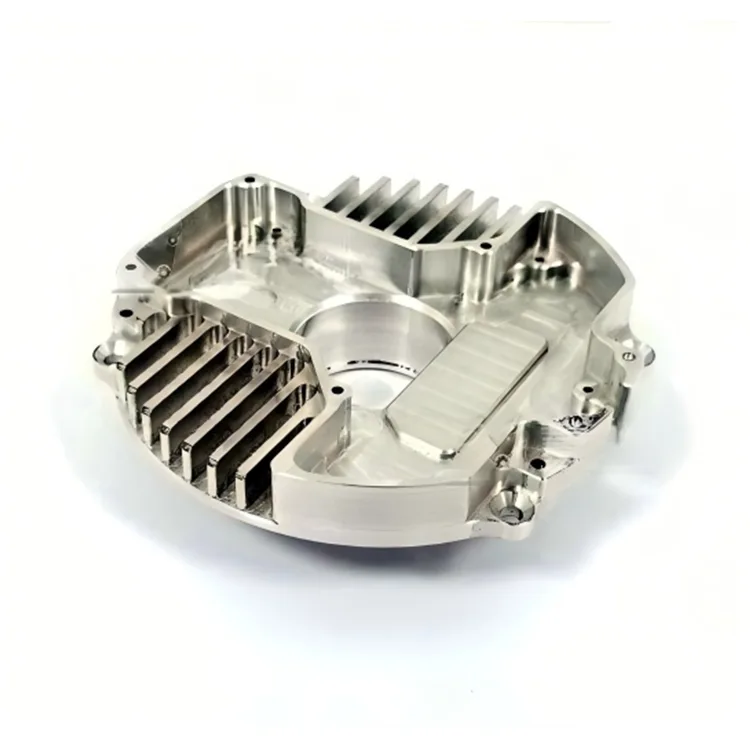
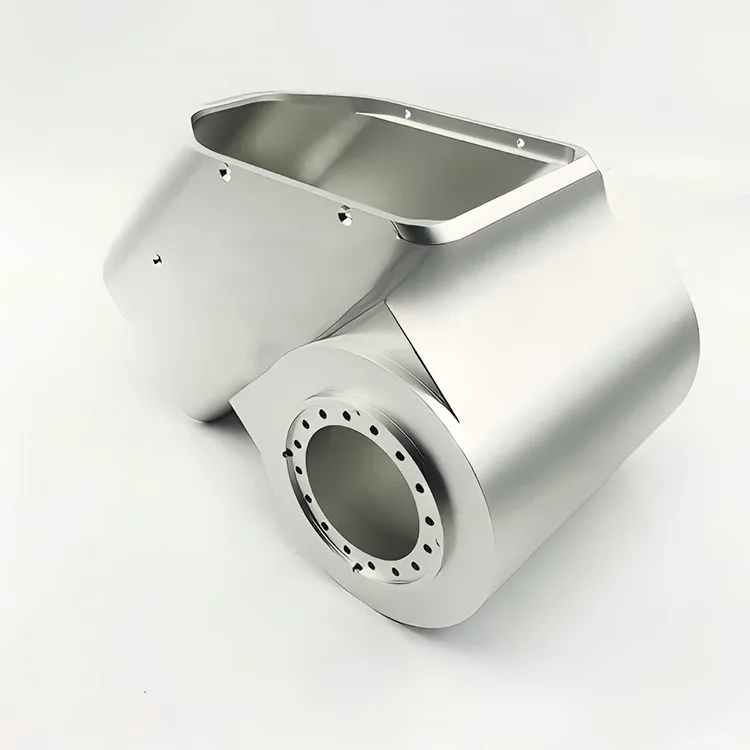
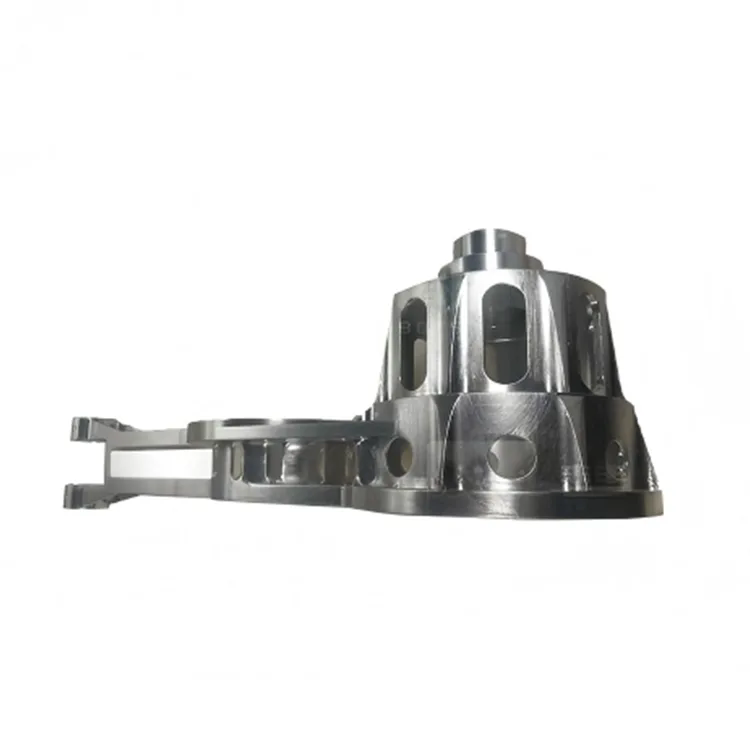
- Housing: Protects internal components and maintains alignment
The synergy of these components determines how accurately and efficiently the robotic arm operates.
3. How Robotic Arm Joint Parts Work
The working principle of robotic arm joint parts revolves around converting electrical energy into controlled mechanical motion. When a signal is sent to the servo motor, it generates rotational force. This force is transmitted through a gearbox or harmonic drive, which adjusts speed and increases torque.
Encoders continuously monitor the position of the joint, sending real-time feedback to the control system. This closed-loop system ensures high precision and repeatability, even in complex multi-axis movements.
4. Performance Benefits in Automation
High-quality robotic arm joint parts deliver several key advantages:
- Improved positional accuracy and repeatability
- Higher load-bearing capacity
- Reduced vibration and noise
- Extended operational lifespan
- Enhanced energy efficiency
These benefits translate directly into increased productivity and reduced operational costs for businesses.
5. Common Customer Pain Points
Customers often encounter several issues when selecting or using robotic arm joint parts:
- Wear and Tear: Poor material quality leads to early failure
- Insufficient Precision: Low-grade components reduce accuracy
- Overheating: Inefficient design causes thermal issues
- Complex Maintenance: Difficult disassembly increases downtime
- Compatibility Issues: Mismatch with existing systems
Addressing these challenges requires careful selection and high manufacturing standards.
6. How to Choose the Right Joint Parts
Selecting suitable robotic arm joint parts involves evaluating several critical factors:
- Load Requirements: Ensure the joint can handle operational forces
- Precision Needs: Match accuracy requirements of the application
- Durability: Consider lifespan under continuous operation
- Integration: Compatibility with control systems and hardware
- Cost Efficiency: Balance between price and performance
Working with experienced manufacturers can significantly reduce risks and ensure optimal outcomes.
7. Materials and Manufacturing Considerations
Material selection plays a vital role in joint performance. Common materials include:
- High-strength alloy steel for gears and shafts
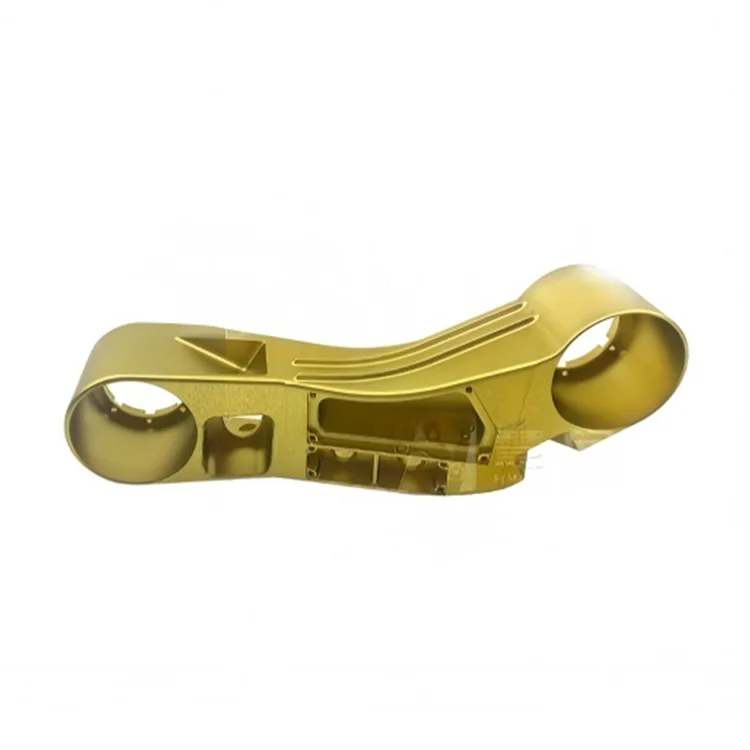
- Aluminum alloys for lightweight housings
- Engineering plastics for insulation and noise reduction
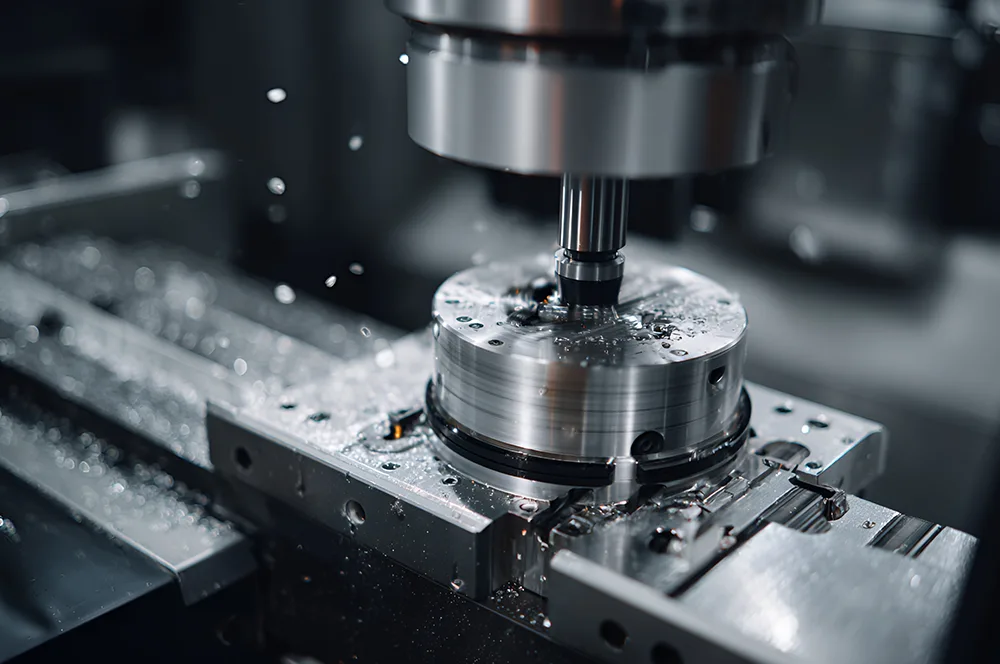
Advanced manufacturing processes such as CNC machining, heat treatment, and precision grinding are essential for achieving tight tolerances and durability.
8. Comparison of Joint Part Types
| Type | Advantages | Limitations | Applications |
|---|---|---|---|
| Harmonic Drive Joint | High precision, zero backlash | Higher cost | Industrial robots, medical devices |
| Planetary Gear Joint | High torque, compact size | Slight backlash | Automation equipment |
| Direct Drive Joint | No gearbox, high responsiveness | Lower torque density | High-speed robotics |
9. Frequently Asked Questions
Q1: What determines the lifespan of robotic arm joint parts?
The lifespan depends on material quality, load conditions, lubrication, and maintenance practices. High-precision manufacturing significantly extends service life.
Q2: Are harmonic drives better than planetary gears?
Harmonic drives offer higher precision and zero backlash, making them ideal for applications requiring extreme accuracy. Planetary gears are more cost-effective for general use.
Q3: How can I reduce maintenance costs?
Choosing high-quality components, ensuring proper installation, and following regular maintenance schedules can minimize long-term costs.
Q4: Can joint parts be customized?
Yes, many manufacturers provide customized solutions based on specific application requirements, including size, torque, and precision levels.
Conclusion
Robotic arm joint parts are fundamental to the efficiency and precision of modern automation systems. By understanding their structure, functionality, and selection criteria, businesses can significantly enhance productivity and reduce operational risks. Investing in high-quality components ensures long-term reliability and optimal performance.
Suzhou Deaote Precision Mould Co., Ltd. specializes in manufacturing high-precision robotic arm joint parts tailored to diverse industrial needs. If you are looking to improve your automation systems with reliable and durable components, contact us today to explore customized solutions designed for your success.
Related News
- How Does Household Motor Iron Core Mold Improve Motor Manufacturing?
- How Are Medical Device Components Shaping the Future of Healthcare Manufacturing?
- How Does Robot Parts Processing Improve Modern Manufacturing?
- How Marine Equipment Parts Enhance Your Vessel’s Performance?
- How Do Dexterous Hand Parts Enhance Robotic Precision?
- How Do Humanoid Robot Parts Work?
Leave me a message