China High-Precision Parts Machining Factory Direct
What is High-precision Parts Machining?
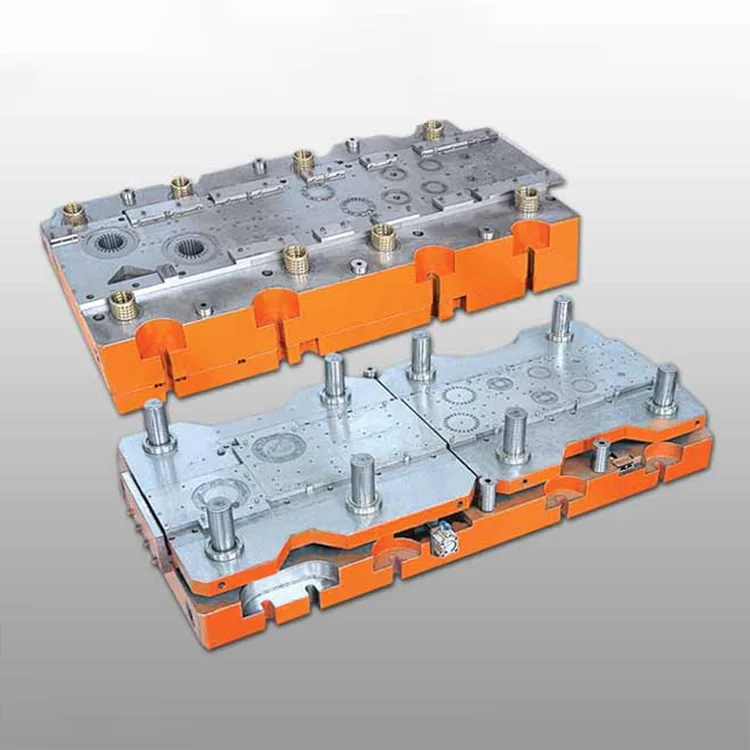
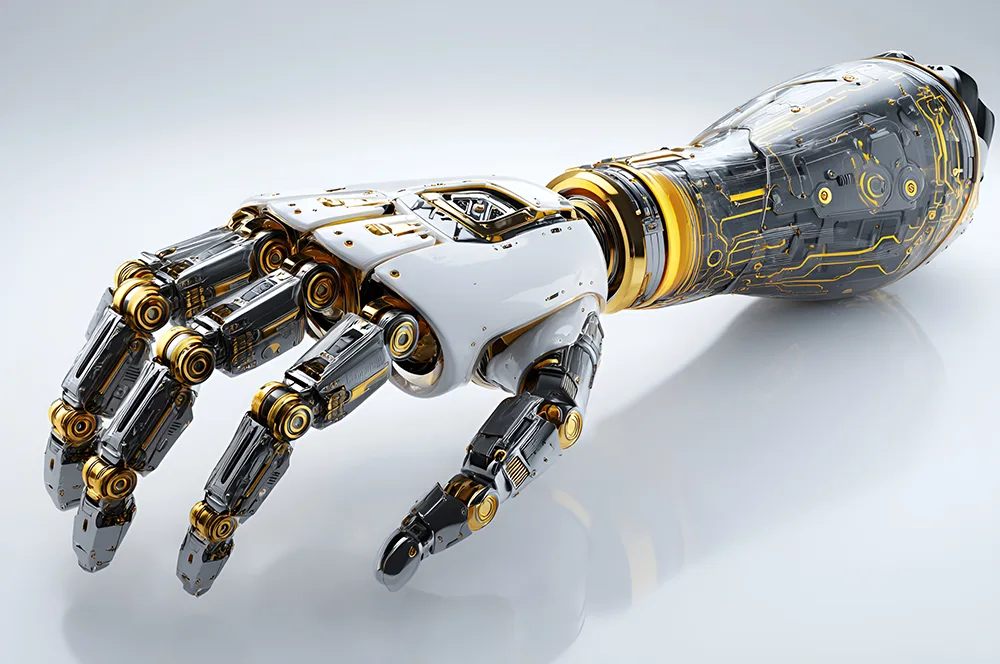
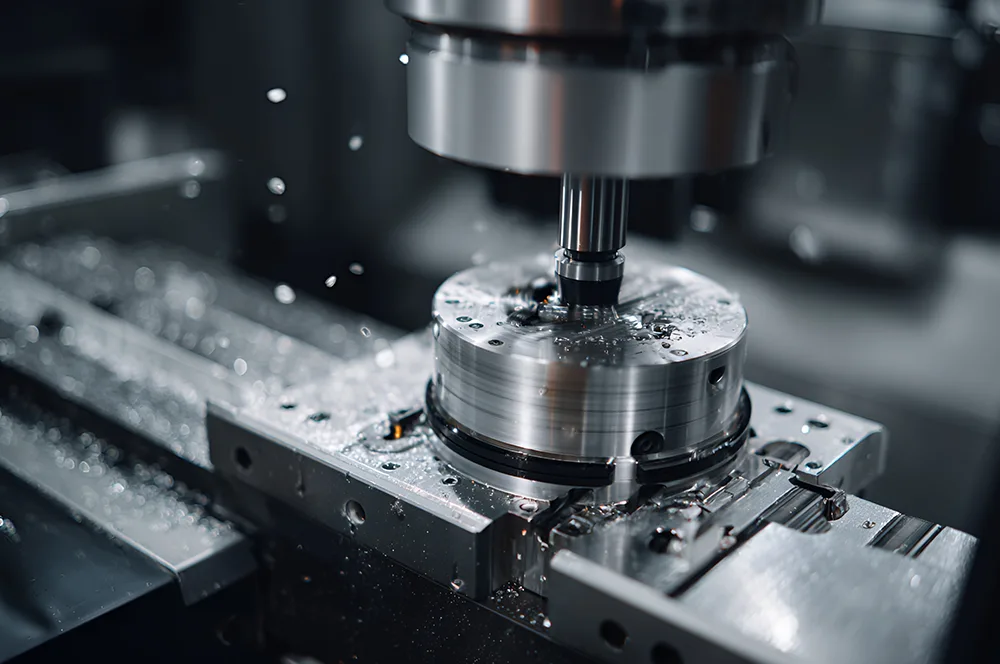
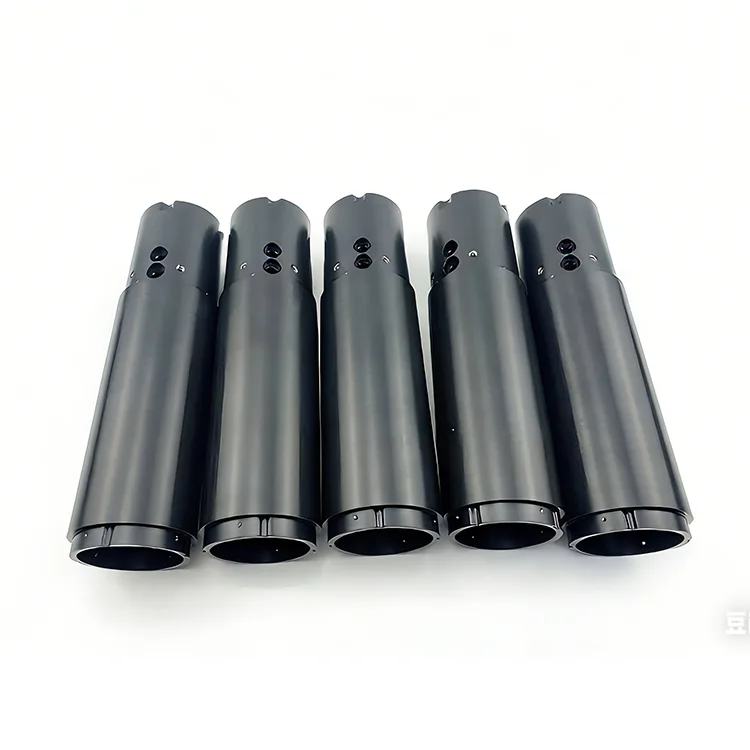
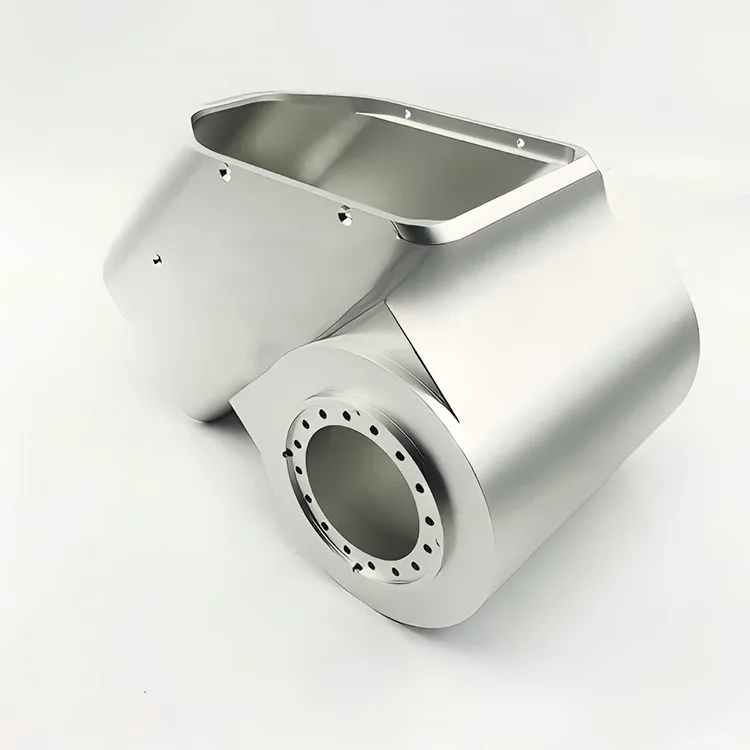
At its core, High-precision parts machining, often synonymous with precision machining, is a subtractive manufacturing process that utilizes advanced Computer Numerical Control (CNC) machines to fabricate components with exceptionally tight tolerances, superior surface finishes, and complex geometries. It transcends standard machining by focusing on micron-level accuracy and repeatability. This process is fundamental in industries where failure is not an option and performance is paramount. Components produced through high-precision machining are characterized by their dimensional stability, reliability, and exact conformity to the most stringent design specifications. Deaote has dedicated two decades to mastering this intricate craft, developing proprietary processes and quality control protocols that set the industry benchmark.
High-precision Parts Machining: Frequently Asked Questions
Q: What industries most commonly utilize high-precision machined parts from Deaote?
A: Our components are critical in industries where precision, reliability, and performance are non-negotiable. This includes Aerospace (flight control components, engine parts), Medical & Surgical (implants, diagnostic instrument parts), Defense (fire control systems, guidance components), Semiconductor (wafer handling, vacuum chamber parts), and Automotive Racing (fuel system components, lightweight structural parts). Our quality management systems are designed to meet the stringent standards of these sectors, including AS9100 and ISO 13485 compliance.
Q: How does Deaote ensure consistent quality across high-volume production runs?
A: Consistency is engineered into our process. We employ Statistical Process Control (SPC) from the first article run, monitoring key dimensions in real-time to predict and prevent drift. All our CNC programs are optimized and validated before full production. Furthermore, we use automated in-machine probing to verify tool wear and part geometry during the cycle, and every batch undergoes a sampling inspection using our CMMs. This multi-layered approach guarantees that the 1st part and the 10,000th part are virtually identical.
Q: What file formats do you require for a machining quote, and what design support do you offer?
A: We prefer 3D solid model files in formats like STEP (.step, .stp), IGES, or Parasolid (.x_t), accompanied by a 2D drawing with critical dimensions and GD&T callouts. Our engineering team provides full Design for Manufacturability (DFM) analysis at no cost. We will review your design for potential issues related to tool access, thin walls, sharp internal corners, and tolerance stack-ups, providing actionable feedback to optimize the part for manufacturability, cost, and performance before any metal is cut.
Q: Can Deaote handle assemblies or complete sub-assemblies, or do you only supply individual components?
A: We offer comprehensive value-added services beyond individual part machining. This includes light assembly, where we can press-fit bearings, perform adhesive bonding, or install threaded inserts. We also manage complex kitting and sub-assembly projects, ensuring all machined components fit together perfectly per the assembly drawings. This turnkey approach saves our clients time, reduces supply chain complexity, and ensures final assembly quality.
Q: What is your typical lead time for prototyping versus production quantities?
A: Lead times vary based on part complexity and current shop capacity. For simple to moderate complexity prototypes, we often deliver first articles within 2-3 weeks. For production runs, standard lead times range from 4-6 weeks for order fulfillment. We also offer expedited services for critical projects. During the quoting process, we provide a clear and detailed project timeline, including milestones for DFM, material procurement, machining, inspection, and shipping.
The Deaote Difference: Process & Partnership
Choosing Deaote means more than contracting a machine shop; it's initiating a technical partnership. Our process is transparent and collaborative:
- Consultative Review: We start by thoroughly understanding your application, performance requirements, and challenges.
- Engineering & DFM Analysis: Our engineers perform a detailed analysis, suggesting optimizations for cost, durability, and manufacturability.
- Formal Quotation & Planning: You receive a comprehensive quote with a clear breakdown of costs, timelines, and inspection criteria.
- First Article Inspection & Approval: We produce sample parts and provide full inspection reports (FAIR) for your approval before full production begins.
- Full Production with SPC: The order moves to production with continuous quality monitoring, keeping you updated on progress.
- Final Certification & Delivery: Every shipment includes mandatory certification documents, including material certs, final inspection reports, and compliance certificates.
- View as
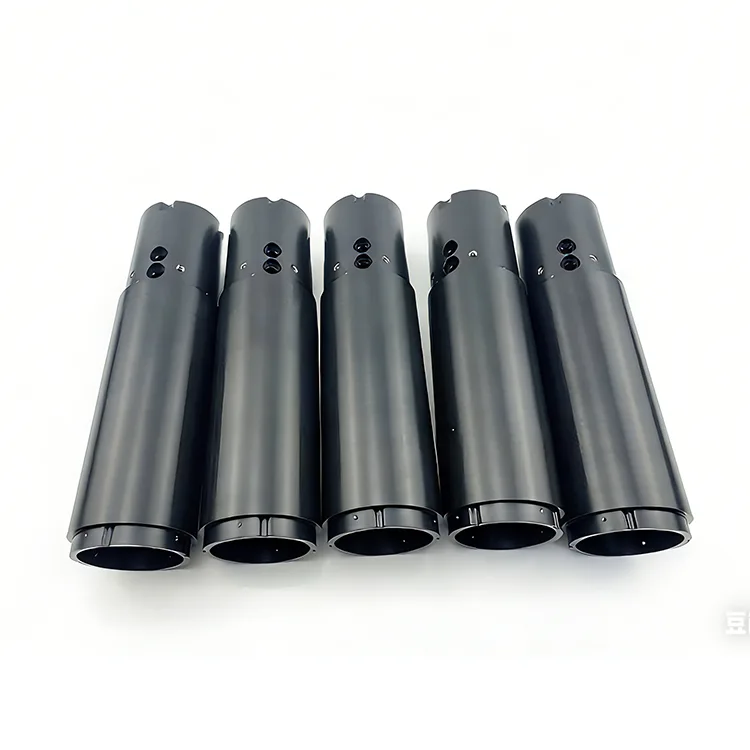
Sonar Detection Equipment Housing
As a reliable Sonar Detection Equipment Housing manufacturer, Deaote offers a stable supply and can tailor details to your equipment's specifications. For pricing details, please contact us directly. We provide customized machining solutions for underwater sonar transducers, marine survey sonar enclosures, military sonar systems, and underwater acoustic detection equipment housings.
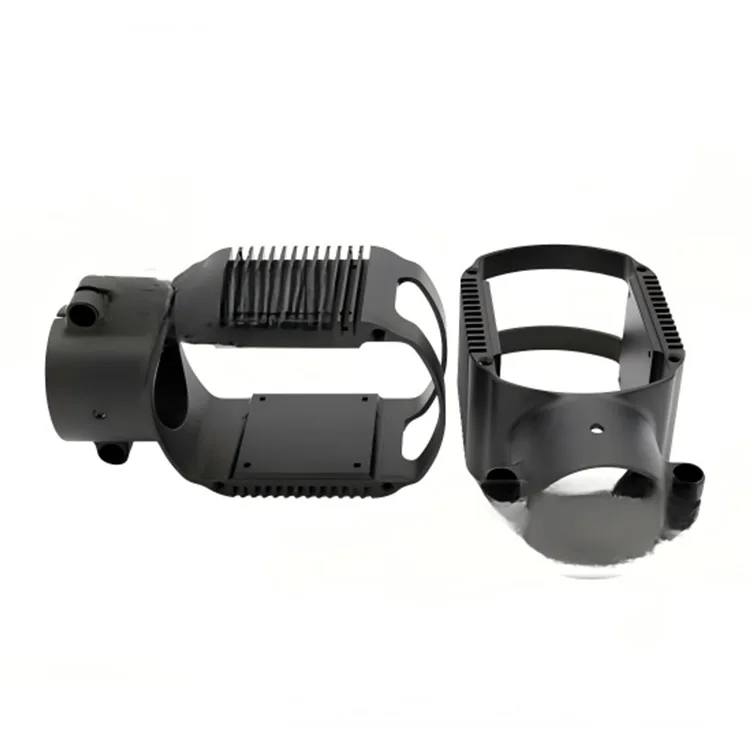
Drone Structural Components
Suzhou Deaote Precision Mould Co., Ltd., located in Wuzhong District of Suzhou City, Jiangsu Province. As a professional China manufacturer and supplier of Drone structural components. With over 18 years of expertise in aerospace-grade precision machining and ISO 9001:2015 certification, we specialize in manufacturing critical structural components for commercial, industrial, and military drones that demand the highest levels of precision, strength, and lightweight performance.
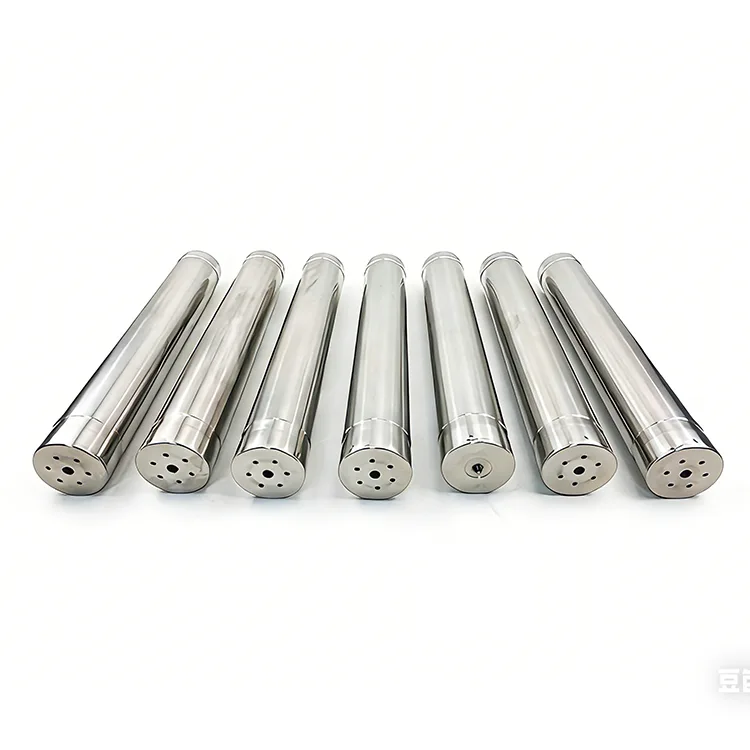
Marine Communication Device Bulk Components
Suzhou Deaote Precision Mould Co., Ltd., is a professional leader in China in Marine Communication Device Bulk Components manufacturing with high quality and reasonable prices. Welcome to contact us. We provide one-stop batch machining solutions for marine radio transceivers, underwater communication systems, ship-borne communication equipment, and offshore platform communication devices.
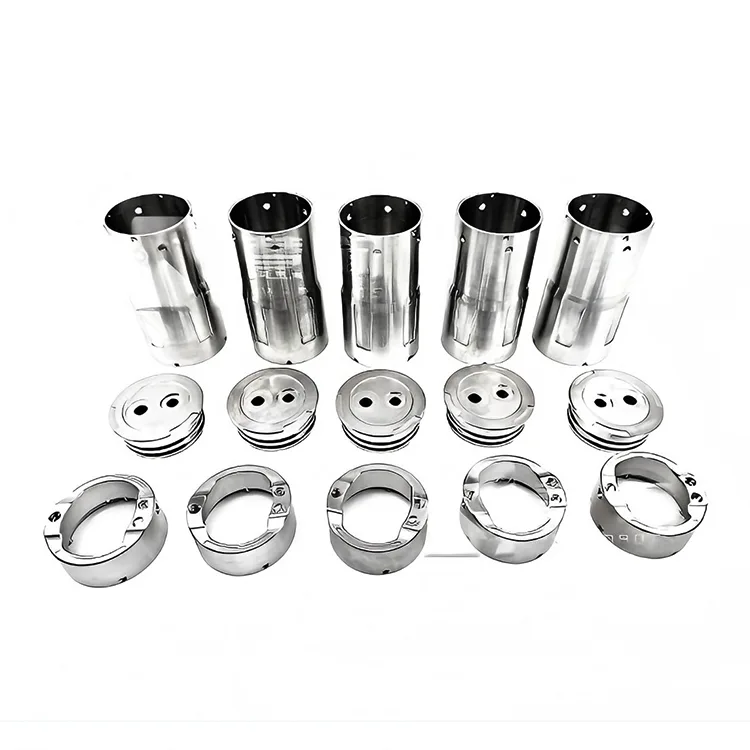
Battery Compartment Assembly
Suzhou Deaote Precision Mould Co., Ltd., located in Wuzhong District, Suzhou City, Jiangsu Province, China, is a leading manufacturer specializing in high-precision CNC machining of Battery Compartment Assembly. We provide customized machining solutions for battery housings, battery holders, contact plates, and sealing gaskets for consumer electronics, industrial equipment, automotive EV systems, and aerospace battery packs.
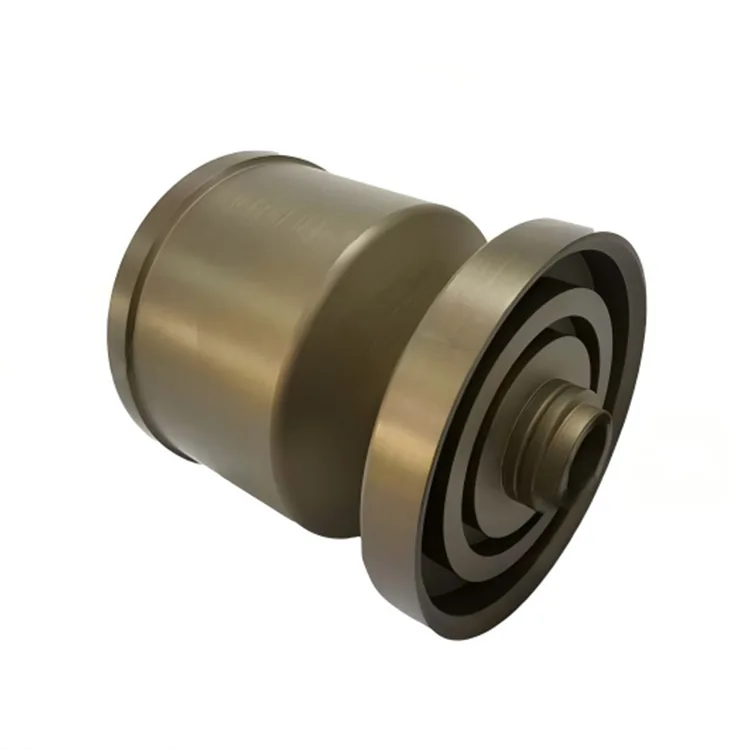
Acoustic Communication Cabin
As a veteran manufacturer and supplier in China, Acoustic Communication Cabin is expertly manufactured in Deaote factory at an affordable price. We provide customized machining solutions for acoustic enclosures of communication base stations, audio communication equipment, marine communication cabins, and aerospace communication systems.
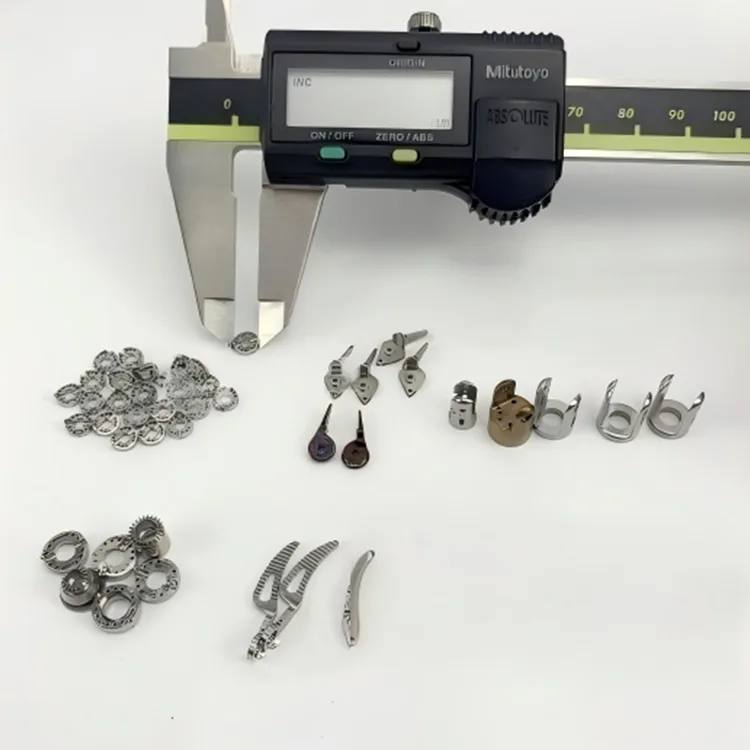
Medical Equipment Casing Parts
As a trusted China manufacturer and supplier, Suzhou Deaote Precision Mould Co., Ltd., professionally produces high-quality Medical equipment casing parts for global markets. Our factory operates under strict quality standards and provides complete documentation, testing reports, and export support to ensure smooth international procurement.
Discover the latest selling High-precision Parts Machining from Deaote. Our new design focuses on high efficiency, energy saving, and long-lasting durability for modern automation systems.Request our factory online to purchase the best products now!