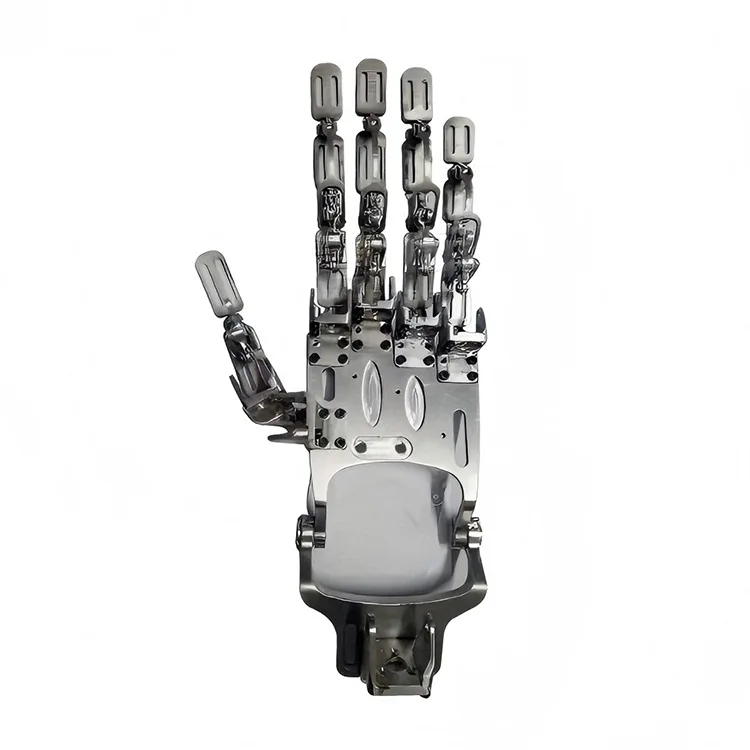
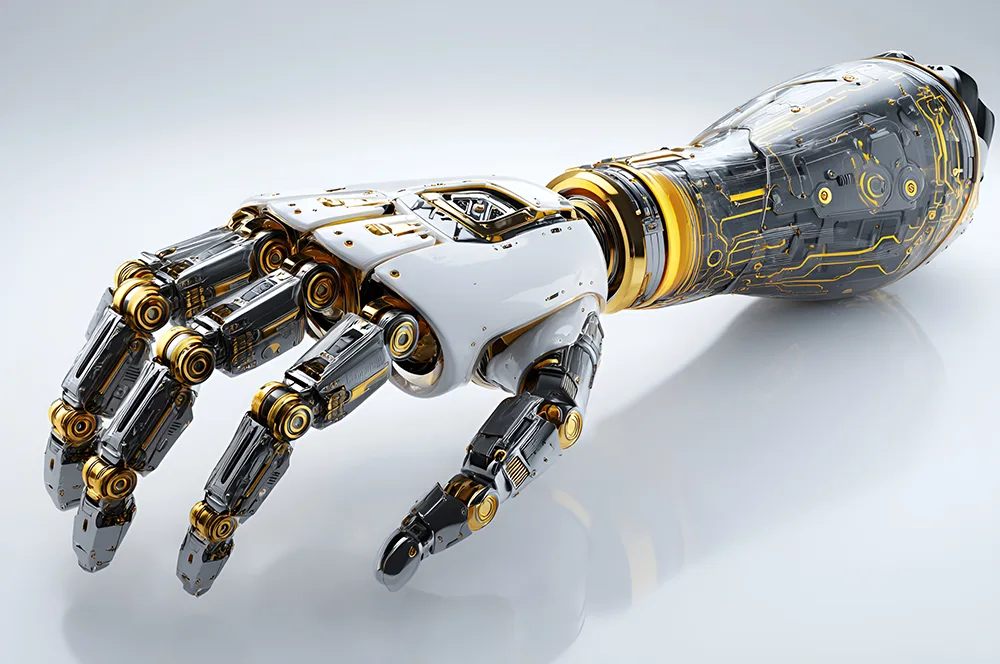
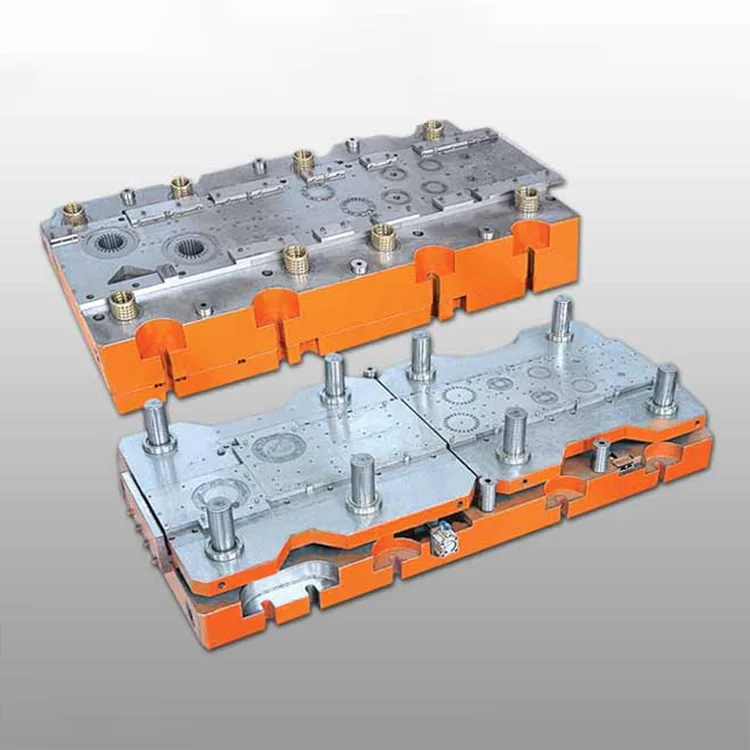
With the rapid development of humanoid robots and industrial robot industries, the precision requirements for robot parts processing have become increasingly stringent. Especially, the core components such as joints and shells are mostly complex curved surface structures, and their forming quality directly determines the motion accuracy, stability and service life of the robots. High-quality CNC precision processing is precisely the key to solving the problem of forming complex curved surface parts and ensuring the quality of robot parts processing. Its importance runs through the entire processing process and is the key driving force for upgrading the robot industry to a higher level.
1. Precise shape control
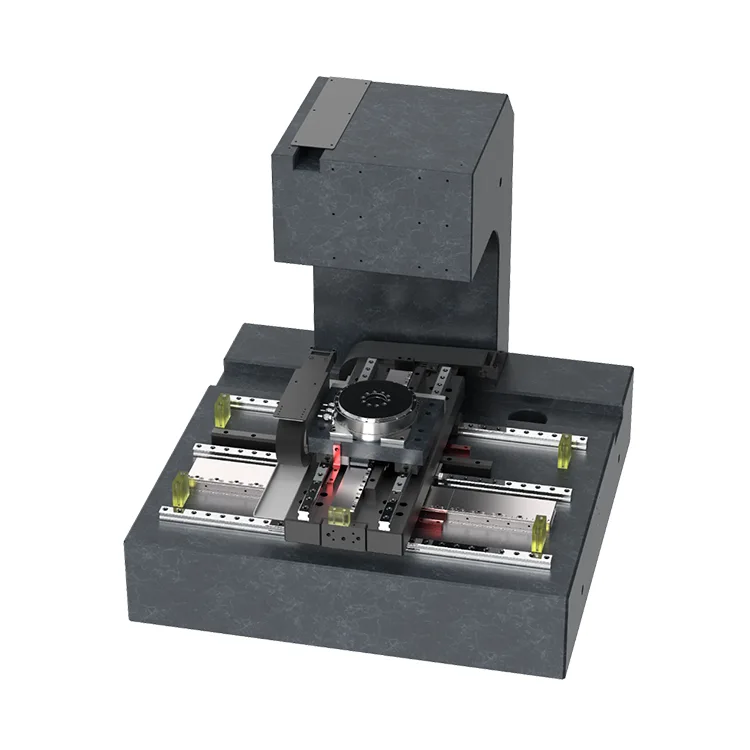
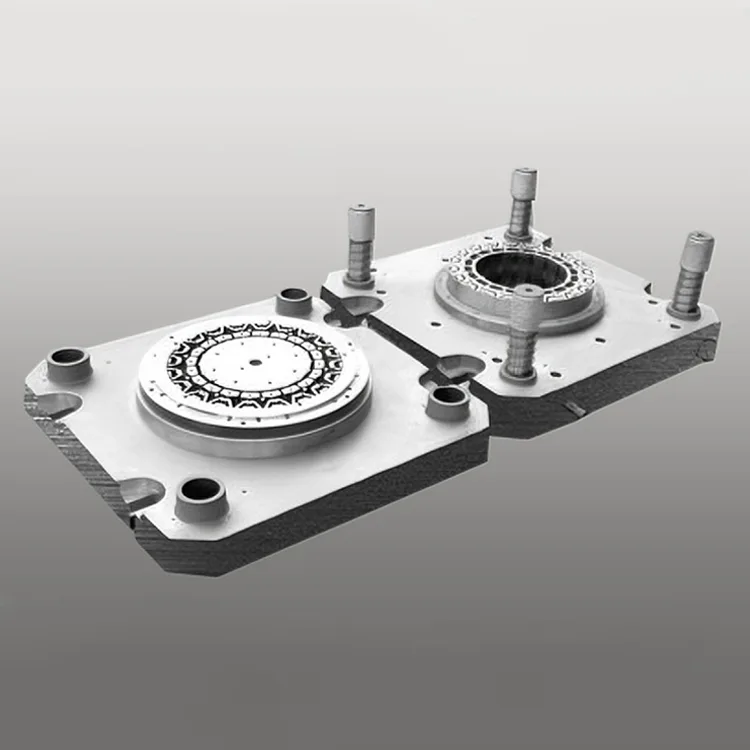
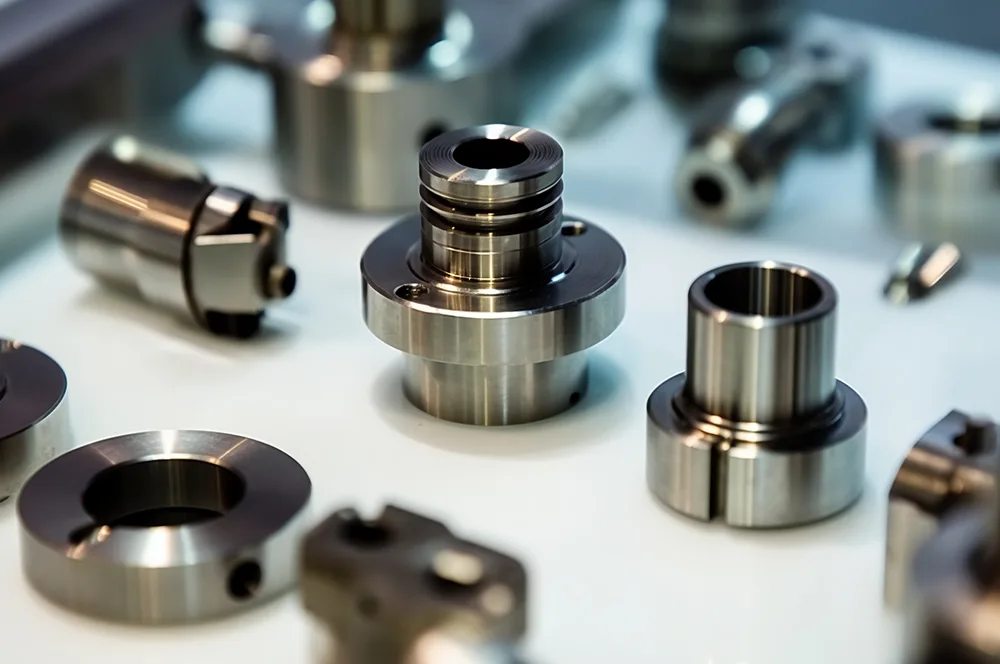
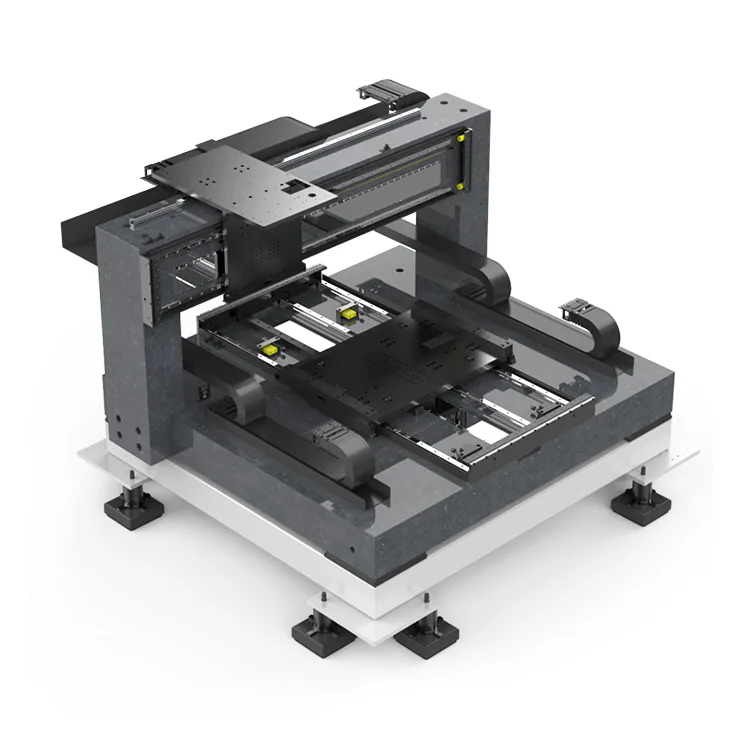
The core difficulty of complex curved surface parts lies in their irregular shapes and extremely high dimensional accuracy requirements. Even a deviation of a few micrometers could cause the robot joints to get stuck, the transmission to be unsmooth, and even prevent normal assembly. In the processing of robot parts, high-quality CNC precision machining, through digital program control, can precisely control the processing path and keep the dimensional error within ±0.005mm, perfectly meeting the forming requirements of complex curved surfaces. To achieve such precise shape control, advanced processing equipment is indispensable. The high-precision five-axis machining center can flexibly adjust the tool posture, complete multi-face processing in one setup, avoiding the accumulation of errors caused by multiple setups, and providing solid hardware support for the precise forming of complex curved surface parts of robots.
2. Stabilize and improve quality
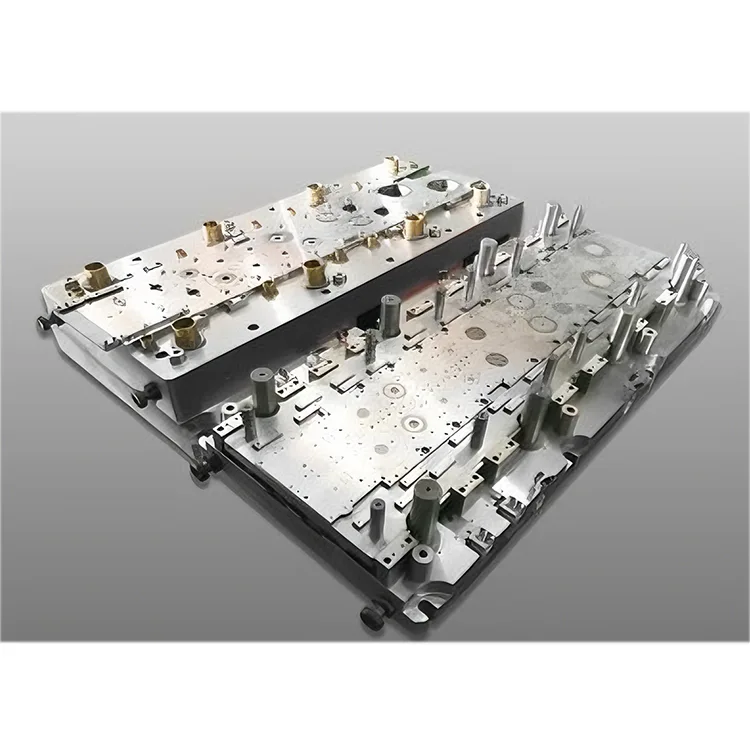
The processing of robot parts usually requires mass production. The batch forming of complex curved surface parts not only demands that the single-piece precision meets the standards, but also requires all the parts to maintain a high degree of consistency. This is the core advantage of high-quality CNC precision processing. Traditional processing methods rely on manual operation, which is easily affected by factors such as experience and fatigue, resulting in uneven part precision. However, high-quality CNC precision processing can achieve 24-hour continuous operation through automation, significantly reducing manual intervention. It can not only improve processing efficiency but also ensure that the dimensions and curved surface contours of the batch parts are completely unified. The efficient batch processing capability can also shorten the delivery cycle, meeting the urgent needs of robot research and development iterations and mass production. This is also one of the core values of high-quality CNC precision processing.
3. Adaptation to complexity
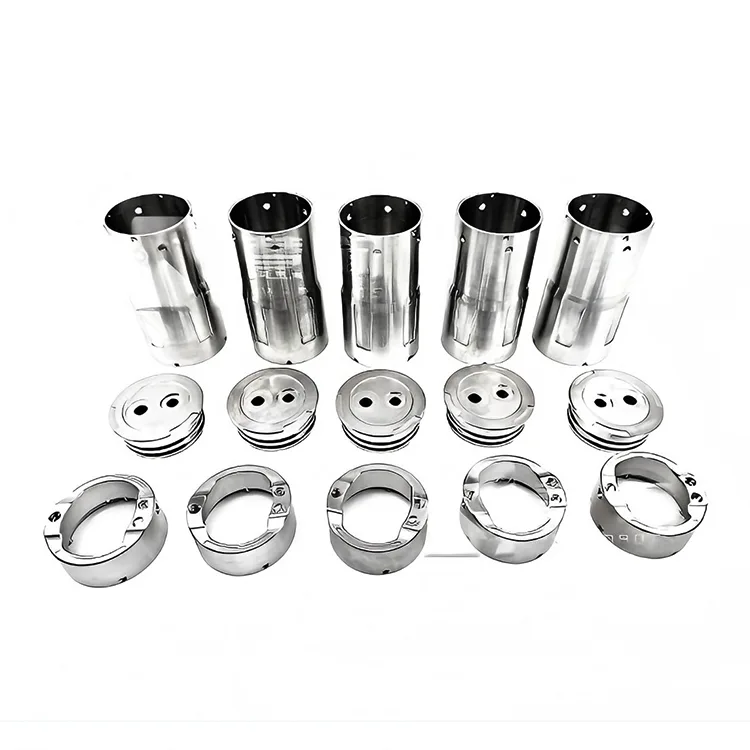
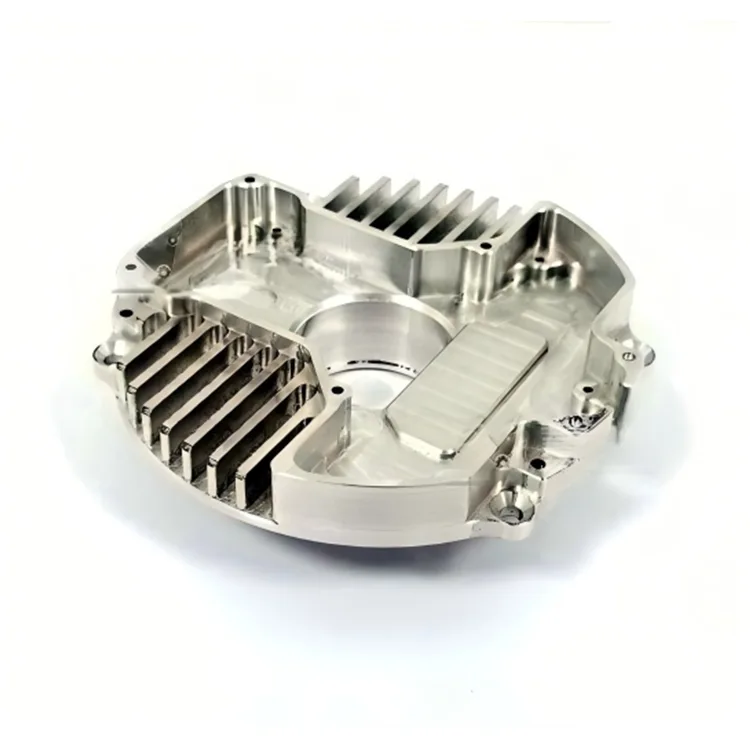
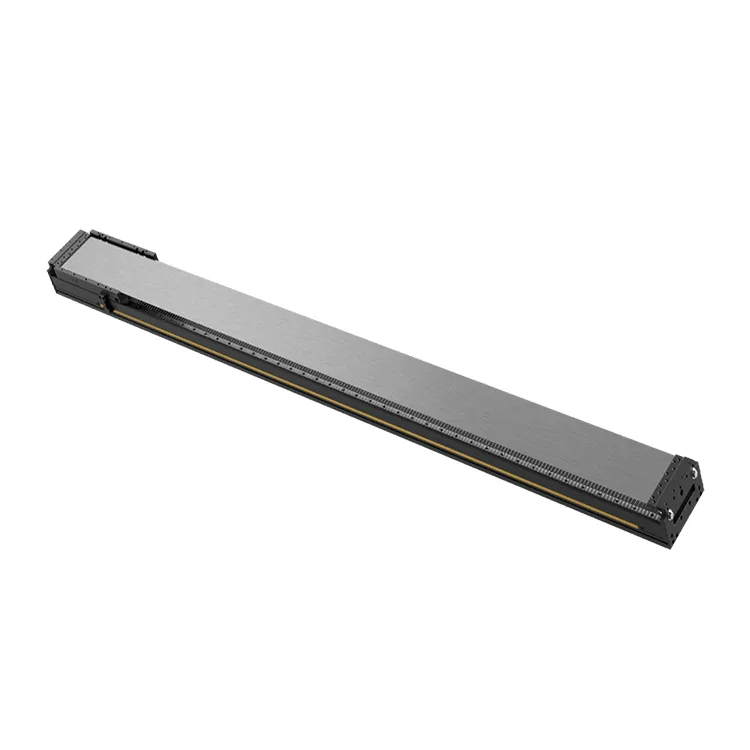
The complex curved surface parts such as the joint shells and transmission screws of robots are often made of high-strength and lightweight materials like titanium alloy and aluminum alloy. These materials are difficult to machine and are prone to deformation due to processing stress, which poses great challenges to the shaping process. With the help of flexible programming capabilities and precise cutting parameter control, high-quality CNC precision processing can be adapted to the processing of various complex materials, effectively avoiding the problem of material deformation. At the same time, it can precisely machine complex structures such as non-circular curves and multi-threaded screws, breaking through the technical bottlenecks of traditional processing and further expanding the application scenarios of robot parts, helping humanoid robots and industrial robots to develop in a more precise and efficient direction.
We use cookies to offer you a better browsing experience, analyze site traffic and personalize content. By using this site, you agree to our use of cookies.Privacy Policy